Với hơn 10 năm kinh nghiệm về vận chuyển khí nén, Headpowder Sơn Đông cung cấp hệ thống, thiết bị và quạt gió toàn chuỗi, đảm nhận các dự án kỹ thuật bột trọn gói trên toàn quốc.
Fluorspar powder, a critical raw material in industries such as metallurgy, ceramics, and chemical manufacturing, necessitates efficient and reliable conveying systems to maintain smooth production workflows. The choice of conveying method directly impacts operational efficiency, material handling costs, and overall plant performance. This article provides a detailed comparison of common fluorspar powder conveying methods, highlighting their applications, advantages, and limitations to assist industrial facilities in selecting the most suitable system for their needs.
1. Pneumatic Conveying Systems
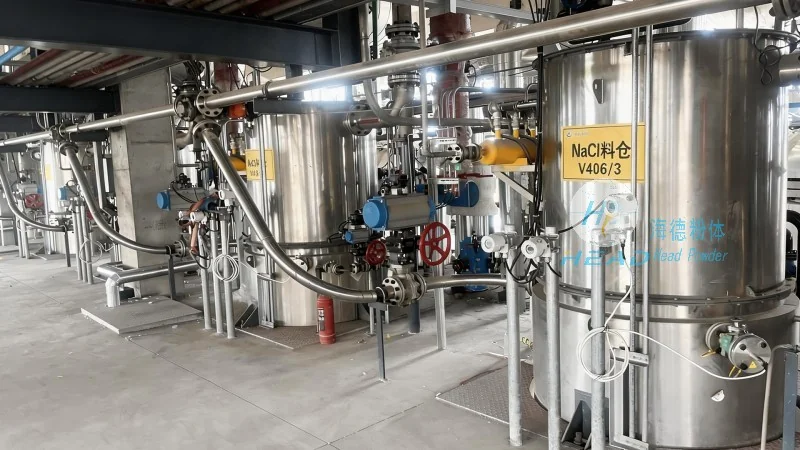
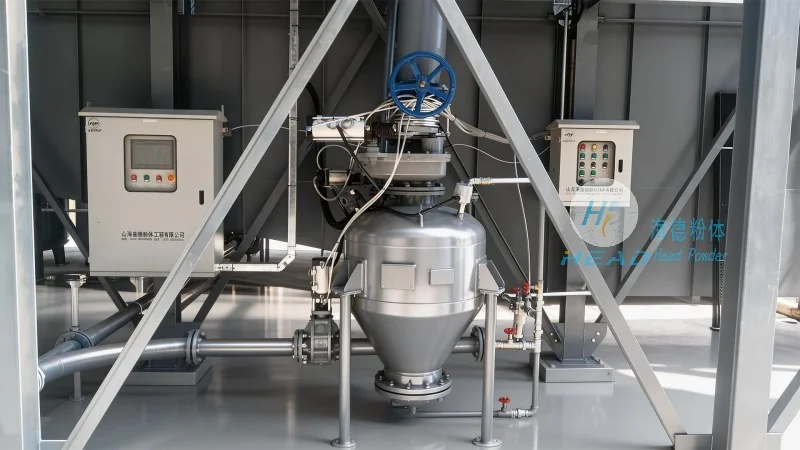
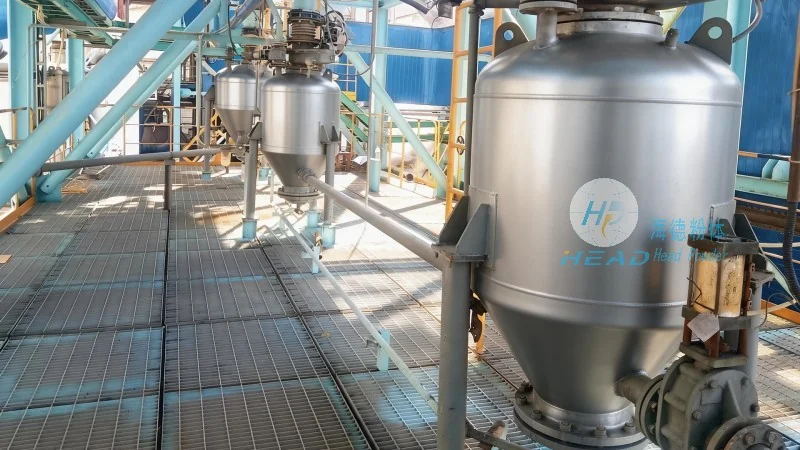
Pneumatic conveying, also known as air conveying, is a widely adopted method for transporting fluorspar powder due to its ability to handle fine powders and minimize dust exposure. This system utilizes air pressure or vacuum to move material through a pipeline. There are two primary types: pressure and vacuum systems. Pressure systems employ compressed air to push material forward, while vacuum systems create a negative pressure to draw material into the pipeline. The selection between these depends on factors like distance, material characteristics, and plant layout. For Shandong HeadPowder Engineering Co., Ltd., pneumatic conveying is often recommended for applications requiring high material purity and low contamination risk, as it effectively isolates the powder from the environment, reducing the risk of cross-contamination and maintaining product quality.
2. Screw Conveyors
Screw conveyors, or auger conveyors, are another common method for fluorspar powder handling. These systems consist of a rotating screw inside a trough, which moves material along the length of the conveyor. Screw conveyors are particularly suitable for handling bulk materials with moderate to high bulk density and are often used in vertical or inclined applications. They are relatively simple in design, easy to install, and can be integrated with other processing equipment. However, screw conveyors may experience issues with material bridging or blockages, especially with cohesive or fine powders. Shandong HeadPowder Engineering Co., Ltd. has developed specialized screw conveyor designs that address these challenges, such as using variable pitch screws or incorporating anti-bridging mechanisms, ensuring consistent material flow and reduced downtime.
3. Belt Conveyors
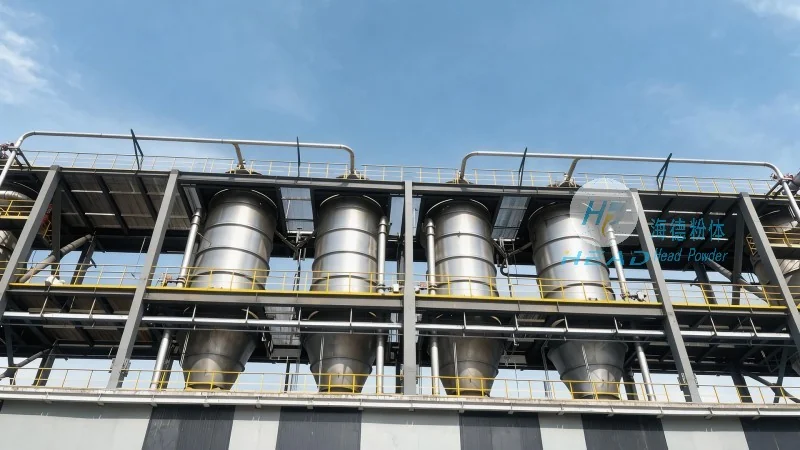
Belt conveyors are widely used in bulk material handling, including fluorspar powder, due to their high capacity and ability to transport materials over long distances. These systems consist of a continuous belt that moves over rollers or pulleys, carrying the material from the loading point to the discharge point. Belt conveyors are ideal for applications where large quantities of material need to be moved at a steady rate, such as in mining and processing plants. They can be designed for both horizontal and inclined operations and are capable of handling a wide range of material sizes and shapes. However, belt conveyors require regular maintenance to prevent belt wear and slippage, and they may not be suitable for very fine powders that can cause dust accumulation. Shandong HeadPowder Engineering Co., Ltd. offers customized belt conveyor solutions tailored to specific operational requirements, ensuring optimal performance and durability through advanced materials and design engineering.
4. Hydraulic Conveying
Hydraulic conveying systems use water or other fluids to transport fluorspar powder, typically in a slurry form. This method is particularly effective for handling wet or sticky powders and can be used for both short and long distances. The slurry is pumped through a pipeline, and the material is separated from the liquid at the discharge point. Hydraulic conveying is often used in applications where dust control is a priority, as the material is contained within the liquid, reducing airborne particulate emissions. However, this method requires additional equipment for slurry preparation and separation, increasing operational complexity and costs. Shandong HeadPowder Engineering Co., Ltd. has expertise in hydraulic conveying systems, providing solutions that balance efficiency and environmental considerations, such as using closed-loop systems to minimize water usage.
5. Comparison and Selection Criteria
When selecting a fluorspar powder conveying method, several factors must be considered, including material properties (e.g., particle size, moisture content, and bulk density), distance between loading and discharge points, required material flow rate, and environmental regulations. Pneumatic conveying is preferred for fine powders and applications requiring high purity, as it minimizes material contact with external surfaces and reduces the risk of contamination. Screw and belt conveyors are more suitable for bulk handling and longer distances, with belt conveyors offering higher capacity and flexibility. Hydraulic conveying is ideal for wet materials but may not be cost-effective for dry powders due to the additional equipment and maintenance requirements. Shandong HeadPowder Engineering Co., Ltd. recommends evaluating the specific needs of the operation, such as material flow rate, particle size distribution, and plant layout, to determine the most appropriate conveying system. By understanding the advantages and limitations of each method, industrial facilities can optimize their material handling processes, improve overall productivity, and reduce operational costs.

 Shandong Headpowder Engineering Co., Ltd.
 156-6277-7102(Quản lý Trương)
  0531-83386006
  Thành phố Tế Nam, Tỉnh Sơn Đông, Trung Quốc
Điện thoại
WeChatTư vấn
Lên đầu