Với hơn 10 năm kinh nghiệm về vận chuyển khí nén, Headpowder Sơn Đông cung cấp hệ thống, thiết bị và quạt gió toàn chuỗi, đảm nhận các dự án kỹ thuật bột trọn gói trên toàn quốc.
Desulfurization gypsum, a byproduct of flue gas desulfurization processes in power plants and industrial facilities, requires efficient and reliable transportation methods to ensure proper utilization in various applications such as construction materials, agricultural soil amendment, and industrial processes. The choice of transportation method depends on factors like distance, volume, environmental considerations, and cost-effectiveness. This article explores several common methods used for desulfurization gypsum transportation, highlighting their characteristics and applications, with a focus on the expertise of Shandong HeadPowder Engineering Co., Ltd. in optimizing gypsum logistics.
1. Truck Transportation
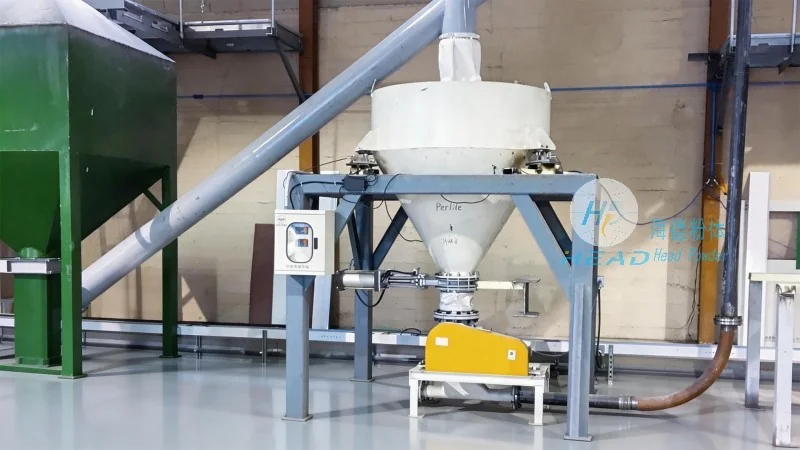
Truck transportation is one of the most widely used methods for moving desulfurization gypsum over short to medium distances. This method involves loading gypsum into bulk trucks equipped with specialized containers or trailers designed to handle powdery materials. The trucks can be either dry bulk or pneumatic, with the latter using air pressure to move the gypsum through pipelines. Truck transportation offers flexibility in terms of route and delivery time, making it suitable for delivering gypsum to construction sites, industrial plants, or storage facilities. The process typically involves loading the gypsum at the source (e.g., a power plant's gypsum storage yard) and transporting it to the destination. This method is particularly effective for local deliveries where the distance is less than 200 kilometers, as it minimizes transportation time and reduces the risk of material degradation. However, it may not be cost-effective for long-distance transport due to fuel consumption and operational costs.
2. Railway Transportation
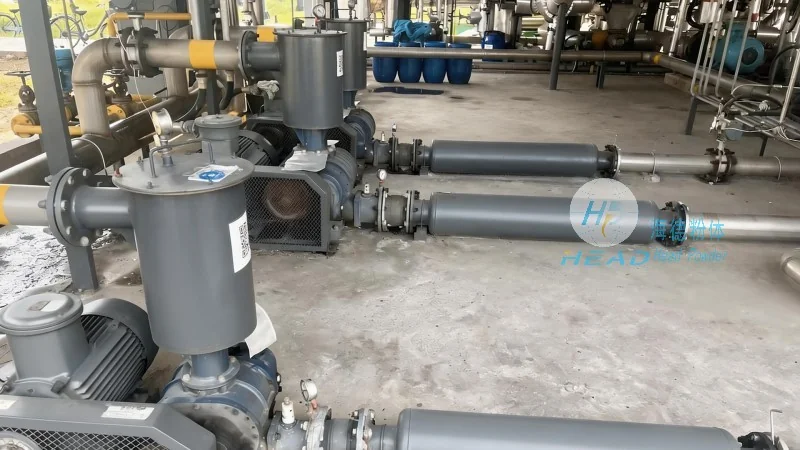
For long-distance transportation of desulfurization gypsum, railway transport is a preferred option, especially when dealing with large volumes. This method involves loading gypsum into specialized freight cars, such as covered hoppers or bulk carriers, which are designed to prevent dust and moisture from affecting the material. Railway transportation is highly efficient for moving gypsum over hundreds or even thousands of kilometers, as it can carry significant quantities in a single trip. The process includes loading the gypsum at the source, transporting it via rail to a distribution center or processing plant, and then unloading it. This method is advantageous in terms of cost per ton-mile, as it reduces fuel costs and labor expenses compared to truck transport. Additionally, railway transport is more environmentally friendly, as it emits fewer greenhouse gases per ton of material transported. However, it requires the availability of rail infrastructure and may involve longer transit times due to scheduling and routing considerations.
3. Pipeline Transportation
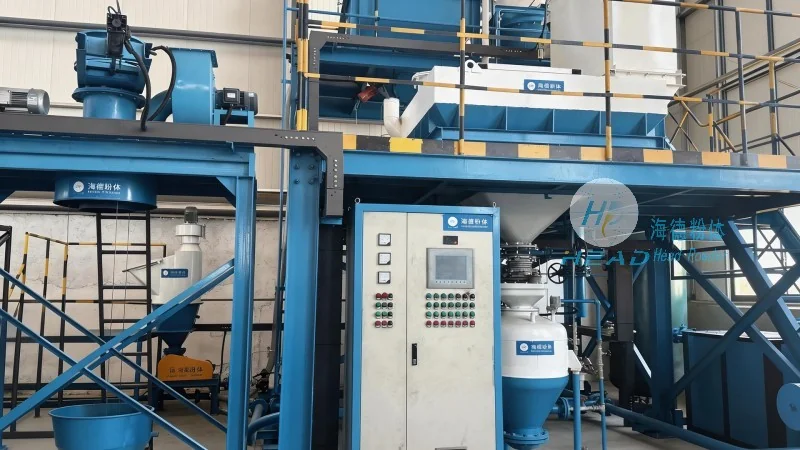
Pipeline transportation is an innovative and efficient method for moving desulfurization gypsum, particularly for continuous and large-scale operations. This method involves pumping gypsum slurry or dry powder through a network of pipelines under pressure. The gypsum is typically mixed with water to form a slurry, which is then pumped through pipelines to the destination. The pipelines are usually made of materials like steel or plastic, with internal coatings to prevent corrosion and material buildup. Pipeline transportation offers several benefits, including high capacity, continuous operation, and minimal labor requirements. It is particularly suitable for transporting gypsum from a power plant to a nearby processing plant or storage facility, as it can handle large volumes with minimal disruption. The process involves preparing the gypsum at the source, pumping it through the pipeline, and then dewatering or processing it at the destination. This method is highly cost-effective for long-term, high-volume transport, as it reduces the need for frequent loading and unloading operations. However, it requires significant upfront investment in pipeline infrastructure and may be limited by the availability of suitable pipeline routes.
4. Barge Transportation
For transportation over waterways, barge transportation is a viable option for moving desulfurization gypsum, especially when the source and destination are located near rivers or coastal areas. This method involves loading gypsum into bulk barges or hopper barges, which are designed to carry large quantities of powdery materials. The barges are typically towed or pushed by tugboats or larger vessels to the destination. Barge transportation is suitable for long-distance transport over water, as it can carry substantial volumes with relatively low operational costs. The process includes loading the gypsum at the source, transporting it via barge to the destination, and then unloading it at the port or storage facility. This method is advantageous in terms of cost per ton-mile, as it reduces fuel consumption and labor expenses compared to truck or railway transport. Additionally, barge transport is environmentally friendly, as it emits fewer emissions per ton of material transported. However, it is limited by the availability of navigable waterways and may be affected by weather conditions, such as storms or high water levels. This method is particularly effective for transporting gypsum from inland power plants to coastal processing plants or export terminals.
5. Combination of Multiple Methods
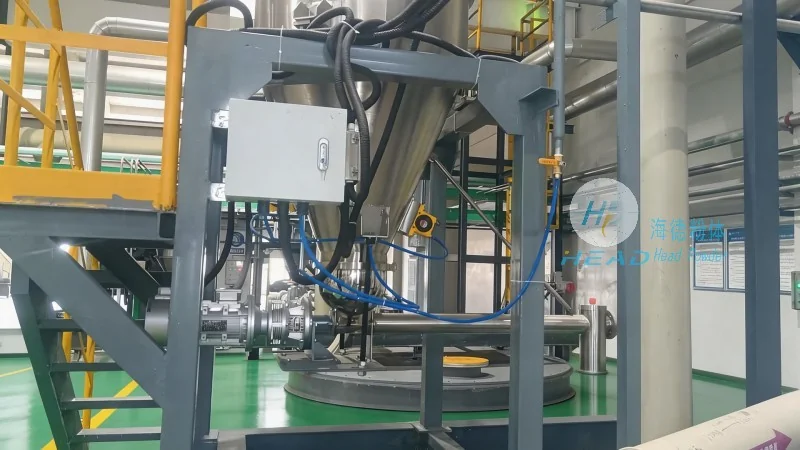
In many cases, a combination of transportation methods is used to optimize the overall logistics of desulfurization gypsum. For example, a power plant may use truck transport to deliver gypsum to a nearby railway station, where it is then loaded onto freight cars for long-distance transport. Alternatively, a pipeline may connect a power plant to a processing plant, with trucks used for final delivery to construction sites. This integrated approach allows for flexibility and cost optimization, as each method is chosen based on the specific requirements of the route and volume. The combination of methods ensures that the gypsum is transported efficiently and reliably, minimizing delays and material loss. This approach is particularly useful for large-scale operations where the distance and volume of gypsum require multiple modes of transport to achieve the best results.

 Shandong Headpowder Engineering Co., Ltd.
 156-6277-7102(Quản lý Trương)
  0531-83386006
  Thành phố Tế Nam, Tỉnh Sơn Đông, Trung Quốc
Điện thoại
WeChatTư vấn
Lên đầu