Với hơn 10 năm kinh nghiệm về vận chuyển khí nén, Headpowder Sơn Đông cung cấp hệ thống, thiết bị và quạt gió toàn chuỗi, đảm nhận các dự án kỹ thuật bột trọn gói trên toàn quốc.
For industries dealing with ceramic materials, efficient and reliable conveying of ceramic particles is crucial for maintaining production efficiency and product quality. The process of transporting these fine or coarse particles from one location to another requires specialized equipment and methods tailored to the specific characteristics of the ceramic material, such as its size, density, and moisture content. Understanding the common methods of ceramic particle conveying is essential for selecting the most appropriate system for industrial applications.
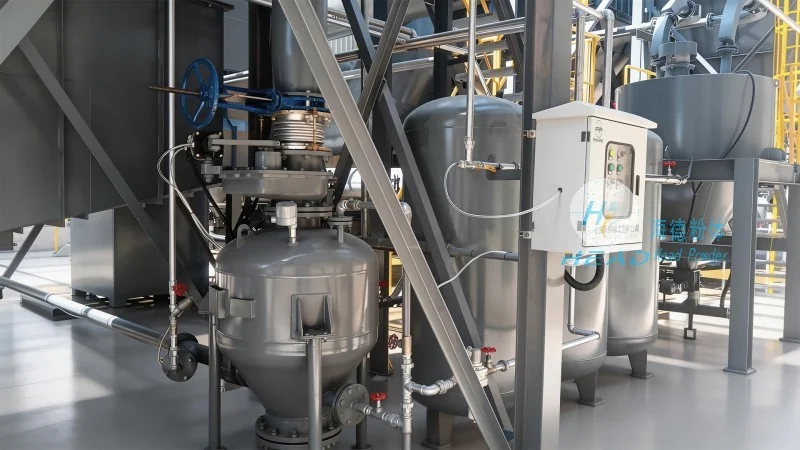
Overview of Ceramic Particle Conveying Systems
Ceramic particle conveying systems are designed to move ceramic powders, granules, or other forms of ceramic materials from a source to a destination within a manufacturing or processing facility. These systems must handle the unique properties of ceramic materials, which can vary widely in terms of particle size distribution, abrasiveness, and chemical stability. The choice of conveying method depends on factors like the material's physical properties, the distance to be covered, the required flow rate, and the need for minimal contamination or degradation of the ceramic particles.
Common Conveying Methods for Ceramic Particles
Several common methods are employed for the transportation of ceramic particles, each with its own advantages and applications. The primary methods include gravity-based systems, mechanical conveyors, and pneumatic (air) conveying systems. Each method is suitable for different scenarios based on the characteristics of the ceramic material and the operational requirements of the process.
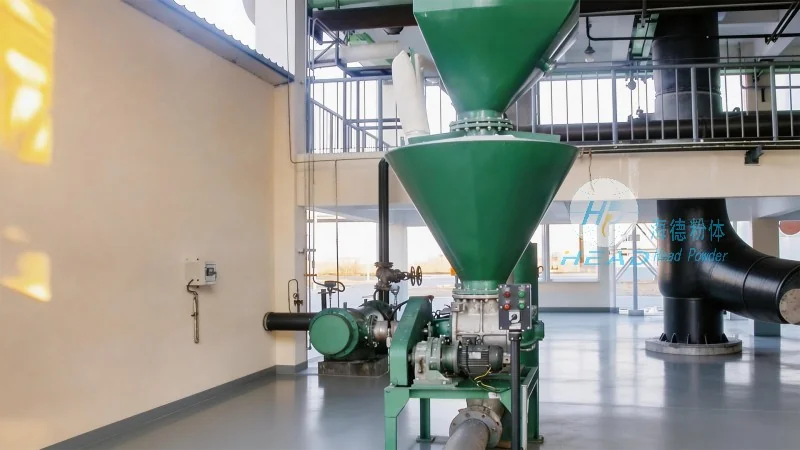
1. Gravity Conveying Systems
Gravity conveying systems utilize the natural force of gravity to move ceramic particles from a higher elevation to a lower elevation. This method is often used for relatively short distances and when the material is in a free-flowing state. The system typically consists of chutes or troughs that allow the particles to slide or roll down under the influence of gravity. Gravity conveyors are simple in design, requiring minimal maintenance, and are effective for materials that are not overly abrasive or sticky. However, they are limited by the need for a sufficient vertical drop and are not suitable for long horizontal distances or when the material needs to be moved against gravity.
2. Mechanical Conveyors
Mechanical conveyors are widely used in ceramic processing due to their versatility and ability to handle a variety of particle sizes and shapes. These systems use mechanical components to move the ceramic particles along a defined path. Common types of mechanical conveyors include screw conveyors, belt conveyors, and bucket elevators. Screw conveyors, also known as auger conveyors, use a rotating screw to push the particles forward. They are suitable for both horizontal and inclined transport and can handle a wide range of materials, including those with high moisture content or abrasive properties. Belt conveyors use a continuous belt to transport the particles, often in combination with side walls or chutes to contain the material. They are ideal for long horizontal distances and can handle large volumes of material. Bucket elevators use a series of buckets attached to a chain or belt to lift the particles vertically and then discharge them at the top. This method is efficient for vertical transport and is commonly used in ceramic plants to move raw materials or finished products between different levels of the facility.
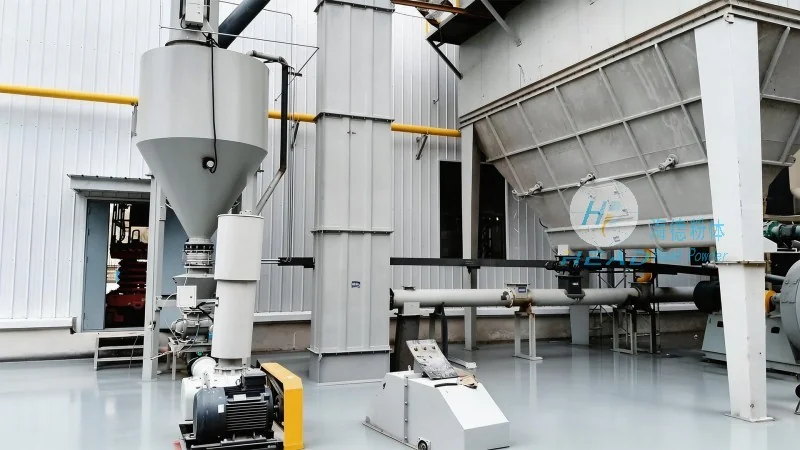
3. Pneumatic Conveying Systems
Pneumatic conveying systems use air or other gases to transport ceramic particles through a pipeline. This method is particularly effective for fine or dusty ceramic powders that are difficult to handle with mechanical or gravity systems. There are two main types of pneumatic conveying: pressure and vacuum systems. Pressure systems use compressed air to push the particles through the pipeline, while vacuum systems use a vacuum to draw the particles into the system. Pneumatic conveying offers advantages such as the ability to transport materials over long distances, the option to mix materials, and the reduction of dust exposure for operators. However, it requires careful control of air pressure and flow rates to prevent particle degradation or blockages in the pipeline. The system also needs to be designed to handle the abrasive nature of ceramic particles, which can cause wear on the pipeline and components.
Factors to Consider When Choosing a Conveying Method
When selecting a conveying method for ceramic particles, several factors must be carefully evaluated to ensure optimal performance and efficiency. The first consideration is the physical properties of the ceramic material, including particle size, density, and moisture content. Coarser particles may be better suited for mechanical conveyors, while fine powders are often transported using pneumatic systems. The distance to be covered and the required flow rate are also critical factors. For short distances and high flow rates, mechanical conveyors may be more efficient, whereas pneumatic systems are better for long distances or when the material needs to be transported in a closed system to prevent dust contamination. The need for minimal contamination or degradation of the ceramic particles is another important consideration. Some systems, such as gravity or mechanical conveyors, may expose the material to the environment, increasing the risk of contamination. Pneumatic systems, while effective for fine powders, may require additional filtration to prevent dust from escaping the system. The cost of the system, including initial investment and ongoing maintenance, is also a key factor. Gravity systems are generally the most cost-effective, while pneumatic systems can be more expensive due to the need for compressed air or vacuum equipment. The space available for the conveyor system and the layout of the facility are also important considerations. Some systems, such as bucket elevators, require vertical space, while others, like belt conveyors, may require horizontal space. The overall production requirements and the specific application of the ceramic material must be considered to choose the most suitable conveying method.
Conclusion
Efficient conveying of ceramic particles is essential for the smooth operation of ceramic processing facilities. The choice of conveying method depends on a variety of factors, including the properties of the ceramic material, the distance to be covered, the required flow rate, and the need for minimal contamination. Gravity, mechanical, and pneumatic conveying systems each offer unique advantages and are suitable for different applications. By carefully evaluating these factors and selecting the appropriate conveying system, manufacturers can ensure the reliable and efficient transport of ceramic particles, leading to improved production efficiency and product quality. As a leading provider of ceramic processing solutions, Shandong HeadPowder Engineering Co., Ltd. specializes in designing and manufacturing customized conveying systems tailored to the specific needs of ceramic industries. With years of experience and expertise in the field, HeadPowder offers a range of high-quality conveying equipment and solutions to meet the diverse requirements of ceramic processing plants.

 Shandong Headpowder Engineering Co., Ltd.
 156-6277-7102(Quản lý Trương)
  0531-83386006
  Thành phố Tế Nam, Tỉnh Sơn Đông, Trung Quốc
Điện thoại
WeChatTư vấn
Lên đầu