Với hơn 10 năm kinh nghiệm về vận chuyển khí nén, Headpowder Sơn Đông cung cấp hệ thống, thiết bị và quạt gió toàn chuỗi, đảm nhận các dự án kỹ thuật bột trọn gói trên toàn quốc.
Chloroprene rubber, also known as neoprene, is widely used in various industrial applications due to its excellent resistance to oil, chemicals, and weathering. The efficient and safe conveyance of chloroprene rubber is crucial for manufacturing processes, and several common methods are employed in industrial settings. This article explores the primary methods used for chloroprene rubber conveyance, highlighting their applications and operational considerations.
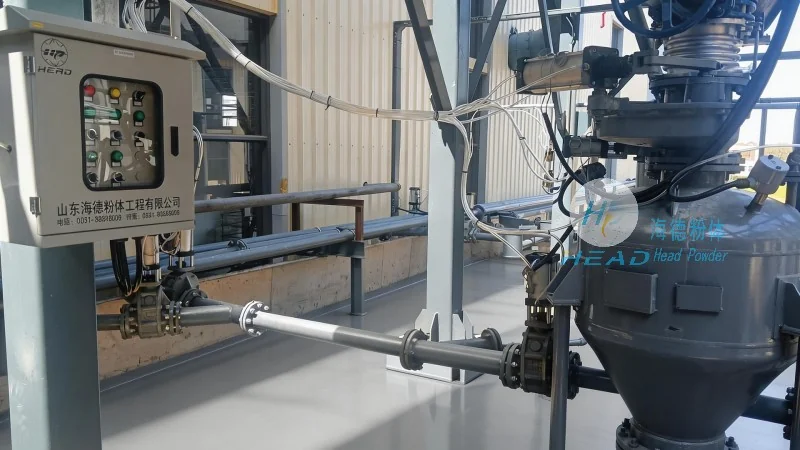
1. Pneumatic Conveying Systems
Pneumatic conveying is a popular method for transporting chloroprene rubber, especially in applications where dust control and minimal product degradation are priorities. This system uses compressed air to move the rubber particles through a pipeline. There are two main types: pressure and vacuum systems. Pressure systems push the material forward using positive pressure, while vacuum systems draw the material into the system using negative pressure. The choice between these depends on the distance, volume, and material characteristics. For chloroprene rubber, which can be abrasive or have specific flow properties, pressure systems are often preferred as they provide better control over the material's velocity and reduce the risk of blockages. The pipeline design, including the use of bends and expansion joints, is critical to maintain the material's flow and prevent wear on the system components. Regular maintenance, such as cleaning the air filters and checking for leaks, is essential to ensure the system operates efficiently and prolongs the equipment's lifespan.
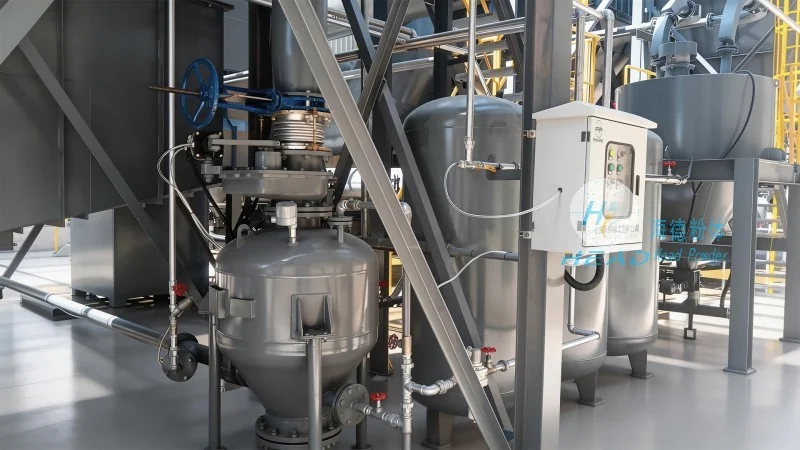
2. Belt Conveyors
Belt conveyors are another common method for chloroprene rubber conveyance, particularly in bulk handling operations. These systems use a continuous belt to transport the rubber material from one location to another. The design of the conveyor, including the type of belt (e.g., rubber or synthetic), the speed, and the inclination, is tailored to the specific properties of chloroprene rubber. For example, if the rubber is sticky or has a tendency to stick to the belt, a special coating or a different belt material may be used to prevent adhesion. The conveyor's frame and support structure must be robust enough to handle the weight and potential abrasiveness of the chloroprene rubber. Additionally, the system includes components like idlers, pulleys, and a drive mechanism that work together to ensure smooth and continuous operation. Regular inspection of the belt for wear and tear, as well as the alignment of the pulleys, is necessary to avoid breakdowns and maintain product quality.
3. Screw Conveyors
Screw conveyors, also known as auger conveyors, are widely used for the horizontal or slightly inclined transport of chloroprene rubber. This method involves a rotating screw (auger) inside a trough that moves the material forward. The screw's pitch and diameter are selected based on the material's flow characteristics and the desired conveying capacity. For chloroprene rubber, which can be dense or have a tendency to pack, a screw with a higher pitch or a different pitch design may be used to improve flow and prevent clogging. The trough material, typically made of stainless steel or other corrosion-resistant materials, is chosen to withstand the chemical properties of the rubber and prevent contamination. The drive system, which powers the screw's rotation, is usually electric and can be adjusted to control the speed of the conveyor. This allows for precise control over the material's movement, which is important in processes where the rubber needs to be delivered at a specific rate. Regular cleaning of the screw and trough is essential to remove any accumulated material and maintain the system's efficiency.
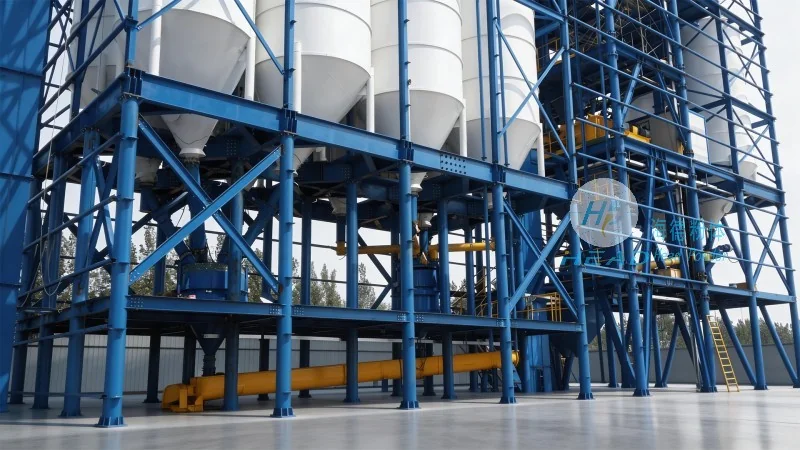
4. Pumping Systems
Pumping systems are used for the conveyance of chloroprene rubber in liquid or slurry forms. These systems typically involve a pump, such as a centrifugal or positive displacement pump, that moves the rubber material through a pipeline. The choice of pump depends on the viscosity and flow rate of the material. For chloroprene rubber in liquid form, a centrifugal pump may be suitable, while a positive displacement pump is often used for more viscous or shear-sensitive materials. The system includes components like inlet and outlet fittings, valves, and pressure gauges to control the flow and pressure. The pipeline must be properly sized to handle the material's flow characteristics and prevent excessive pressure drops or turbulence. Regular maintenance, such as checking the pump's seals and bearings, is crucial to ensure the system operates reliably and prevents leaks or damage to the equipment. Additionally, the use of appropriate lubricants and filters can help extend the pump's lifespan and maintain the quality of the conveyed material.
5. Manual and Mechanical Handling
In some cases, especially for smaller quantities or in situations where automated systems are not feasible, manual and mechanical handling methods are used for chloroprene rubber conveyance. This includes the use of buckets, shovels, or forklifts to move the material. For larger batches, mechanical devices like bucket elevators or chain conveyors may be employed. These methods are generally less efficient and more labor-intensive compared to automated systems but are still used in certain applications. The choice of method depends on factors such as the volume of material, the available equipment, and the operational constraints. For example, in a small-scale manufacturing facility, manual handling may be more practical than investing in a complex conveyor system. However, it is important to ensure that the handling process is safe and does not cause damage to the chloroprene rubber, as it can be sensitive to temperature and mechanical stress.
Conclusion
Choosing the appropriate method for chloroprene rubber conveyance depends on various factors, including the material's properties, the distance to be conveyed, the required capacity, and the operational environment. Pneumatic conveying, belt conveyors, screw conveyors, pumping systems, and manual handling are all viable options, each with its own advantages and considerations. By understanding the specific needs of the application and selecting the right conveyance method, manufacturers can ensure efficient, safe, and cost-effective transport of chloroprene rubber. Shandong HeadPowder Engineering Co., Ltd., a leading provider in the industry, offers expertise and solutions tailored to these requirements, helping clients optimize their chloroprene rubber handling processes.

 Shandong Headpowder Engineering Co., Ltd.
 156-6277-7102(Quản lý Trương)
  0531-83386006
  Thành phố Tế Nam, Tỉnh Sơn Đông, Trung Quốc
Điện thoại
WeChatTư vấn
Lên đầu