Với hơn 10 năm kinh nghiệm về vận chuyển khí nén, Headpowder Sơn Đông cung cấp hệ thống, thiết bị và quạt gió toàn chuỗi, đảm nhận các dự án kỹ thuật bột trọn gói trên toàn quốc.
When it comes to the efficient handling and transportation of cottonseed, selecting the right conveyance method is crucial for optimizing processing operations and ensuring product quality. Cottonseed, a key byproduct of the cotton industry, requires specialized equipment and systems to move it from one stage of processing to another. This article explores the primary methods used for cottonseed conveyance, highlighting the factors that influence the choice of each system.
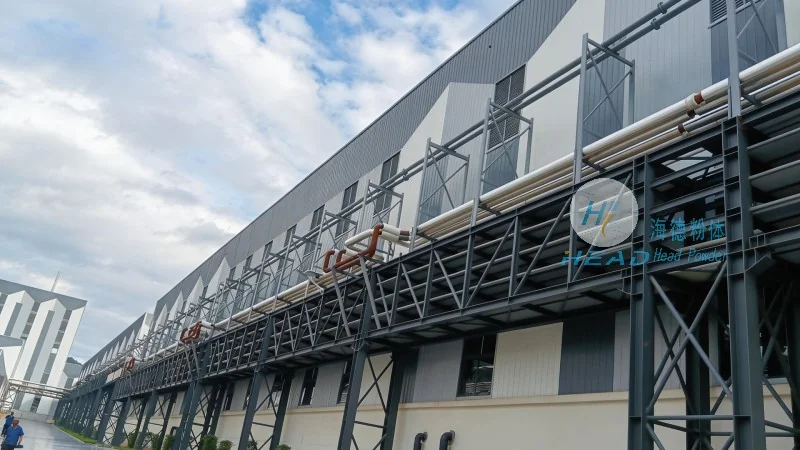
1. Belt Conveyors for Cottonseed Transport
Belt conveyors are one of the most common and versatile methods for cottonseed conveyance. These systems utilize a continuous belt, typically made of durable materials like rubber or PVC, to transport cottonseed over a series of rollers or a flat surface. The design of belt conveyors allows for both horizontal and inclined transport, making them suitable for various processing stages, from raw cottonseed reception to storage or further processing. The smooth operation of belt conveyors ensures minimal product damage, which is critical for maintaining the quality of cottonseed intended for oil extraction or other applications. Additionally, belt conveyors can be customized with features such as variable speed drives and adjustable incline angles to accommodate different production needs. This flexibility makes them a popular choice in cottonseed processing facilities.
2. Screw Conveyors (Augers) for Cottonseed Handling
Screw conveyors, also known as augers, are another widely used method for cottonseed conveyance. These systems consist of a rotating screw or helical blade enclosed within a tube or housing. As the screw rotates, it pushes cottonseed forward through the tube, allowing for vertical or inclined transport. Screw conveyors are particularly effective for handling bulk materials like cottonseed, as they can move large volumes with minimal power consumption. The enclosed design of screw conveyors helps prevent dust and contamination, which is essential for maintaining the purity of cottonseed. Furthermore, screw conveyors are relatively low-maintenance and can be easily integrated into existing processing lines. Their compact design makes them suitable for spaces with limited room, a common challenge in many cottonseed processing plants.
3. Pneumatic Conveying Systems for Cottonseed Transport
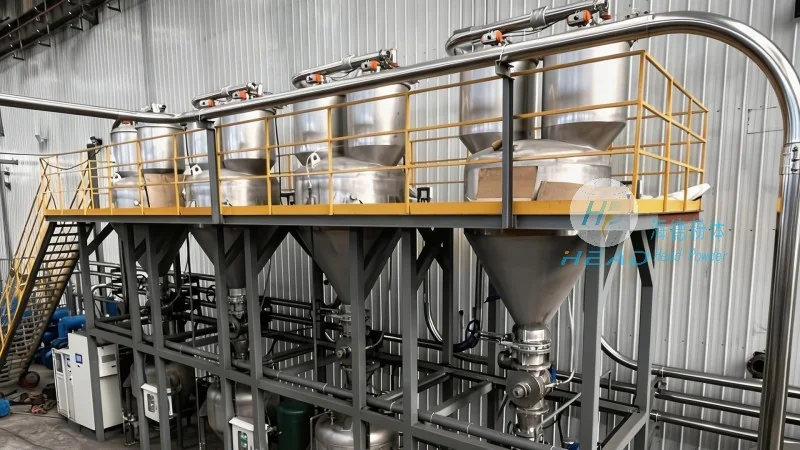
Pneumatic conveying systems use air or other gases to transport cottonseed through a network of pipes. This method is particularly effective for handling fine or dusty cottonseed, as it can move materials without direct contact, reducing the risk of product degradation. Pneumatic conveyors can be categorized into two main types: positive displacement and pressure-assisted systems. Positive displacement systems use a pump to create a vacuum or pressure, drawing cottonseed into the system and moving it through the pipes. Pressure-assisted systems, on the other hand, use compressed air to push cottonseed through the system. Both types offer advantages in terms of flexibility and scalability, allowing for the transport of cottonseed over long distances or to multiple destinations within a processing facility. Pneumatic conveying systems are also ideal for applications where product contamination must be strictly avoided, such as in the transportation of cottonseed destined for food or feed use.
4. Bucket Elevators for Vertical Cottonseed Conveyance
Bucket elevators are specialized equipment designed for vertical transport of cottonseed. These systems consist of a vertical or inclined conveyor with a series of buckets attached to a rotating chain or belt. As the buckets move up the conveyor, they scoop up cottonseed and discharge it at the top, allowing for efficient vertical movement. Bucket elevators are highly efficient for moving large volumes of cottonseed vertically, making them essential in processing plants where cottonseed needs to be lifted from lower levels to higher storage or processing areas. The enclosed design of bucket elevators prevents dust and spillage, ensuring a clean and safe working environment. Additionally, bucket elevators can be equipped with features such as variable speed controls and load sensors to optimize performance and prevent overloading. Their robust construction and reliability make bucket elevators a preferred choice for vertical cottonseed conveyance in many industrial settings.
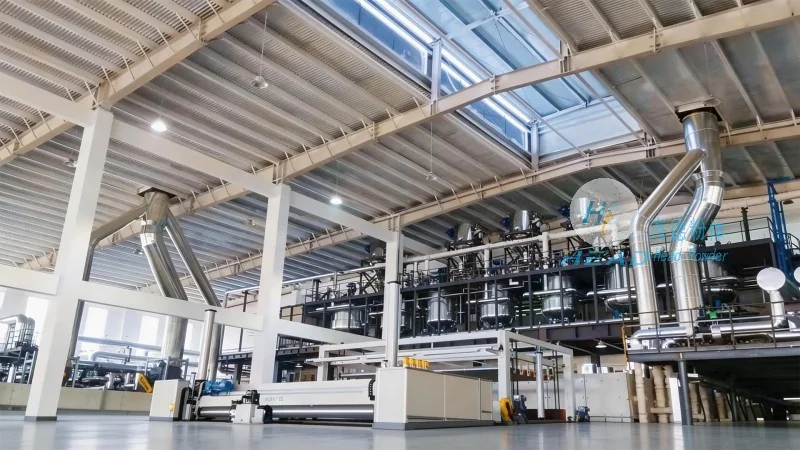
5. Chain and Flight Conveyors for Cottonseed Handling
Chain and flight conveyors are another method used for cottonseed conveyance, particularly in applications requiring precise control over material movement. These systems consist of a chain with attached flights or paddles that move along a track or frame. The flights lift and move cottonseed in a controlled manner, allowing for both horizontal and inclined transport. Chain and flight conveyors are often used in situations where the material needs to be conveyed at a specific angle or in a controlled manner, such as when moving cottonseed from a storage hopper to a processing machine. The design of these conveyors allows for minimal product spillage and ensures that cottonseed is moved in a consistent and predictable manner. Additionally, chain and flight conveyors can be equipped with features such as adjustable speed and direction control, making them suitable for various processing stages. Their durability and ability to handle heavy loads make chain and flight conveyors a reliable option for cottonseed conveyance in industrial environments.
6. Considerations for Choosing the Right Cottonseed Conveyance Method
When selecting a cottonseed conveyance method, several factors must be considered to ensure optimal performance and efficiency. The first factor is the volume and characteristics of the cottonseed being handled. For example, if large volumes of cottonseed need to be transported horizontally over long distances, a belt conveyor may be the most suitable option. Conversely, if vertical transport is required, a bucket elevator or screw conveyor might be more appropriate. The second factor is the space available in the processing facility. Compact systems like screw conveyors or pneumatic systems are ideal for facilities with limited space, while larger belt conveyors may require more room. The third factor is the need for product protection. If the cottonseed is intended for high-value applications such as oil extraction or food use, systems like pneumatic conveyors or enclosed belt conveyors may be preferred to prevent contamination and damage. Additionally, the cost of installation, maintenance, and operation should be considered when choosing a conveyance method. By evaluating these factors, processing facilities can select the most suitable cottonseed conveyance system to meet their specific needs and ensure efficient operation.
7. The Role of Shandong HeadPowder Engineering Co., Ltd. in Cottonseed Conveyance Solutions
Shandong HeadPowder Engineering Co., Ltd., a leading provider of industrial processing equipment, specializes in designing and manufacturing customized cottonseed conveyance systems tailored to the unique needs of cottonseed processing facilities. With years of experience in the industry, the company understands the importance of selecting the right conveyance method for optimal performance and product quality. HeadPowder offers a range of conveyance solutions, including belt conveyors, screw conveyors, pneumatic systems, and bucket elevators, each designed to meet specific processing requirements. The company's expertise lies in providing comprehensive solutions that integrate seamlessly with existing processing lines, ensuring minimal disruption to operations. Additionally, HeadPowder offers maintenance and support services to ensure the longevity and efficiency of their conveyance systems. By partnering with Shandong HeadPowder Engineering Co., Ltd., cottonseed processing facilities can enhance their operational efficiency, reduce costs, and improve product quality. The company's commitment to quality and customer satisfaction makes it a trusted choice for businesses seeking reliable cottonseed conveyance solutions.

 Shandong Headpowder Engineering Co., Ltd.
 156-6277-7102(Quản lý Trương)
  0531-83386006
  Thành phố Tế Nam, Tỉnh Sơn Đông, Trung Quốc
Điện thoại
WeChatTư vấn
Lên đầu