Với hơn 10 năm kinh nghiệm về vận chuyển khí nén, Headpowder Sơn Đông cung cấp hệ thống, thiết bị và quạt gió toàn chuỗi, đảm nhận các dự án kỹ thuật bột trọn gói trên toàn quốc.
Understanding the various methods for transporting potassium carbonate is crucial for industries that rely on this essential chemical. Potassium carbonate, also known as potash or pearl ash, is widely used in applications such as glass manufacturing, food processing, and chemical synthesis. The choice of transportation method depends on factors like the quantity of the material, the distance it needs to travel, and the specific requirements of the end-user. In this article, we will explore the common and effective ways to transport potassium carbonate, highlighting the expertise and services offered by Shandong HeadPowder Engineering Co., Ltd., a leading provider in the field.
Overview of Potassium Carbonate and Its Transportation Needs
Potassium carbonate (K₂CO₃) is an inorganic compound with a white or colorless crystalline appearance. It is highly soluble in water and is often used as a source of potassium in various industrial processes. Due to its importance in multiple sectors, efficient and safe transportation is vital to ensure the material reaches its destination without degradation or loss. The transportation methods for potassium carbonate must consider its physical properties, such as its reactivity and potential to absorb moisture from the air, which can affect its quality and usability.
Common Transportation Methods for Potassium Carbonate
There are several established methods for transporting potassium carbonate, each suited to different scenarios and requirements. The primary methods include bulk transportation via pipelines, road transport using tankers or trucks, and packaging for smaller quantities. Each method has its advantages and is chosen based on the scale of the operation and the logistical constraints.
Bulk Pipeline Transportation

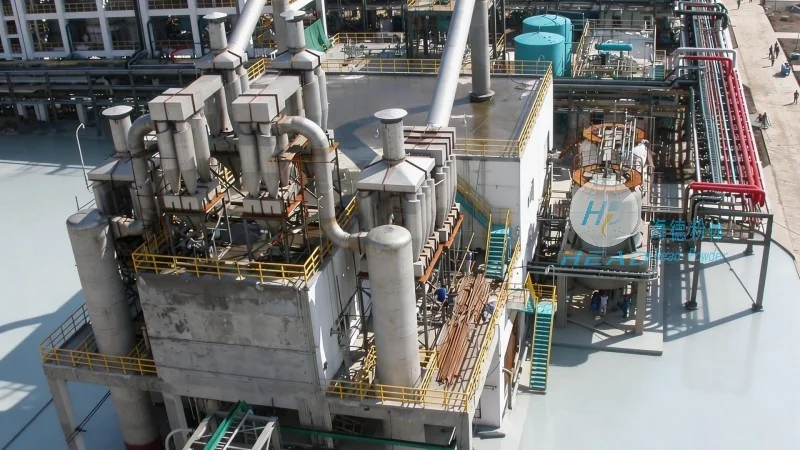
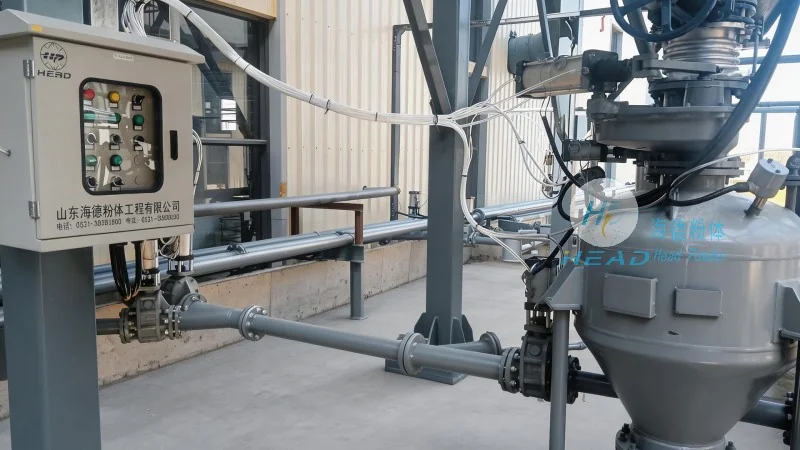
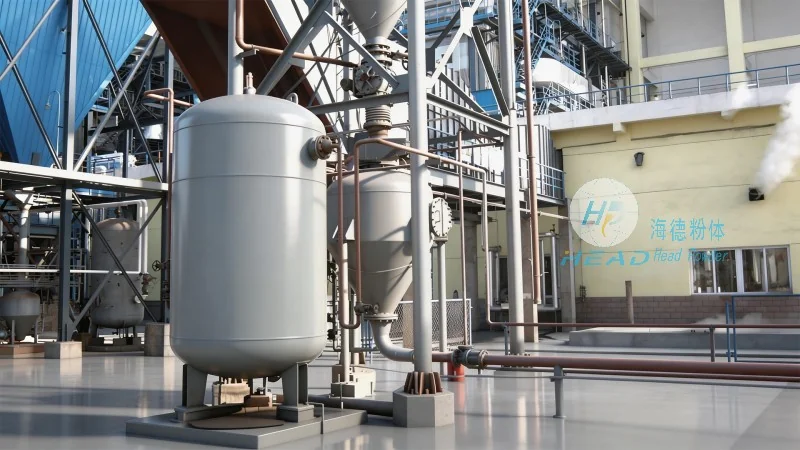
For large-scale industrial applications, bulk pipeline transportation is a highly efficient method. This involves pumping potassium carbonate through specially designed pipelines, often at high pressures to maintain flow. The pipelines are typically made of materials resistant to the chemical properties of potassium carbonate, such as stainless steel or corrosion-resistant alloys. This method minimizes handling and reduces the risk of contamination or spillage, making it ideal for continuous production lines. Shandong HeadPowder Engineering Co., Ltd. specializes in the design and installation of such pipelines, ensuring that the transportation process is seamless and reliable for clients.
Road Transport via Tankers and Trucks
For medium to large quantities of potassium carbonate, road transport using specialized tankers or trucks is a common and flexible option. These vehicles are equipped with insulated tanks to maintain the material's temperature and prevent moisture absorption. The trucks are often equipped with loading and unloading systems that allow for quick and safe transfer of the material from the source to the destination. This method is particularly useful for delivering potassium carbonate to smaller industrial sites or distribution centers. The company, HeadPowder, provides comprehensive road transport services, ensuring that the material is handled with care and delivered on time, adhering to all safety and regulatory standards.
Packaging and Small-Scale Transport
For smaller quantities or when the material is intended for retail or laboratory use, packaging in containers such as plastic drums, metal pails, or bags is preferred. These containers are designed to protect the potassium carbonate from moisture and air, preserving its quality. The packaging is often labeled with the chemical's properties and safety information to ensure proper handling. HeadPowder offers a range of packaging solutions tailored to the specific needs of their clients, from standard industrial packaging to custom-designed containers for specialized applications.
Factors Influencing the Choice of Transportation Method
The selection of the most appropriate transportation method for potassium carbonate depends on several key factors. The first is the quantity of the material to be transported; bulk pipelines are suitable for large volumes, while road transport or packaging is better for smaller amounts. The distance between the source and the destination is another critical factor; long-distance transport may require more robust methods like pipelines or specialized trucks, while short distances can be handled with less complex solutions. Additionally, the destination's infrastructure and accessibility play a role; for example, a site with a dedicated pipeline connection may opt for bulk transport, whereas a remote location may rely on road transport. The cost of transportation is also a significant consideration, as different methods have varying expenses associated with them. Shandong HeadPowder Engineering Co., Ltd. evaluates these factors for each client to recommend the most cost-effective and efficient transportation solution.
Ensuring Safety and Compliance in Transportation
Transporting potassium carbonate requires adherence to strict safety and regulatory standards to prevent accidents and environmental hazards. All transportation methods must comply with local and international regulations regarding the handling of chemicals. This includes proper labeling, storage, and emergency response protocols. The vehicles and equipment used for transportation are regularly inspected and maintained to ensure they are in good working condition. HeadPowder employs trained professionals who are well-versed in safety procedures and are equipped to handle any potential issues that may arise during transport. The company also provides documentation and certifications to confirm that the transportation process meets all required standards, giving clients peace of mind.
Conclusion
In conclusion, the transportation of potassium carbonate involves careful consideration of various factors to ensure efficiency, safety, and cost-effectiveness. From bulk pipeline systems to road transport and packaging, each method has its role in meeting the diverse needs of industries. Shandong HeadPowder Engineering Co., Ltd. offers comprehensive solutions for all aspects of potassium carbonate transportation, leveraging their expertise and experience to deliver reliable and high-quality services. By choosing HeadPowder, clients can be confident that their potassium carbonate will be transported safely and efficiently, supporting their operational needs without interruption.

 Shandong Headpowder Engineering Co., Ltd.
 156-6277-7102(Quản lý Trương)
  0531-83386006
  Thành phố Tế Nam, Tỉnh Sơn Đông, Trung Quốc
Điện thoại
WeChatTư vấn
Lên đầu