Với hơn 10 năm kinh nghiệm về vận chuyển khí nén, Headpowder Sơn Đông cung cấp hệ thống, thiết bị và quạt gió toàn chuỗi, đảm nhận các dự án kỹ thuật bột trọn gói trên toàn quốc.
For construction and landscaping projects that involve dry cobblestone materials, selecting the right conveying method is crucial for efficiency and material integrity. Shandong HeadPowder Engineering Co., Ltd., a leading provider in the industry, specializes in innovative solutions tailored to various dry cobblestone conveying needs. Based in Shandong, China, the company leverages years of expertise to deliver reliable and efficient systems for transporting dry cobblestones.
Types of Dry Cobblestone Conveying Methods
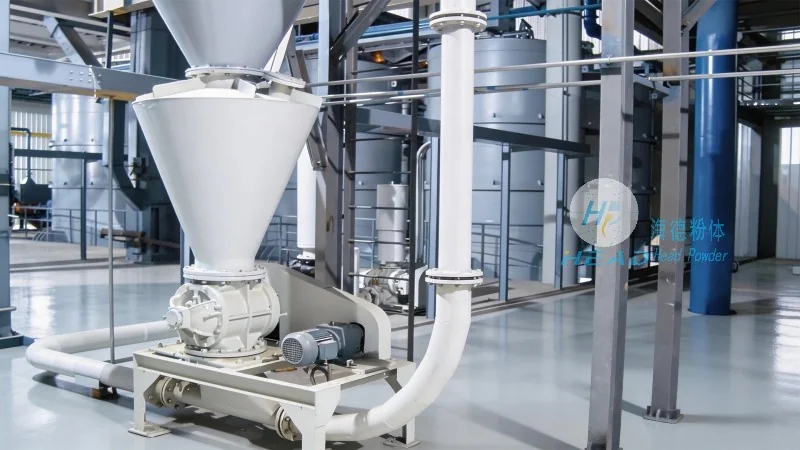
Dry cobblestone conveying methods vary based on project requirements, material characteristics, and operational constraints. The primary methods include mechanical conveyors, gravity-fed systems, and specialized transport solutions. Each method offers distinct advantages, making it essential to evaluate factors such as material size, weight, and the distance to be covered before selecting the most suitable approach.
Mechanical Conveying Systems
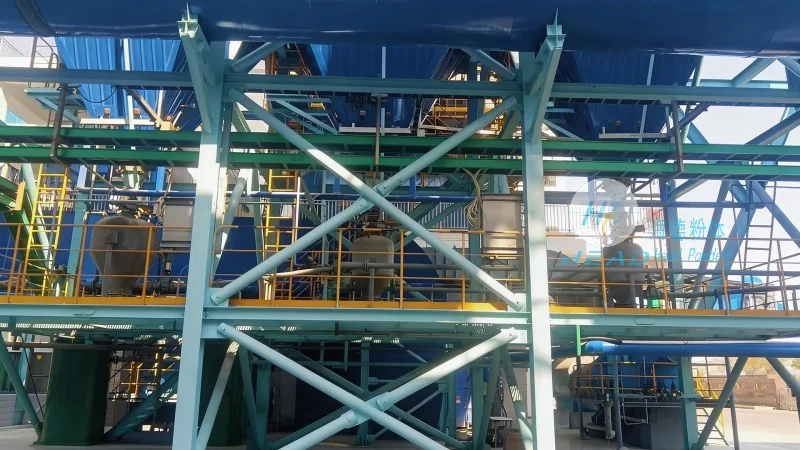
Mechanical conveyors are widely used for dry cobblestone transportation due to their versatility and ability to handle a range of material sizes. These systems typically consist of components like belt conveyors, screw conveyors, and bucket elevators. Belt conveyors, for instance, are ideal for transporting dry cobblestones over short to medium distances, providing a continuous and efficient flow. Screw conveyors, on the other hand, are suitable for vertical or inclined transport, effectively moving materials through chutes or elevators. The choice of mechanical system depends on the specific project layout and the need for horizontal or vertical movement.
Gravity-Fed Conveying Solutions
Gravity-fed systems utilize the natural weight of dry cobblestones to move materials without the need for external power. These methods are often employed in situations where the terrain allows for a gentle slope or when the distance is relatively short. Chute systems and inclined planes are common examples of gravity-fed conveyors. They are particularly effective for transporting dry cobblestones from elevated sources to lower levels, minimizing energy consumption and operational costs. However, the effectiveness of gravity-fed systems is highly dependent on the material's density and the slope angle, requiring careful design to ensure smooth and consistent flow.
Specialized Transport Equipment
For unique or challenging dry cobblestone conveying scenarios, specialized equipment may be required. This includes pneumatic conveyors, which use air pressure to transport dry materials through pipes, and mobile conveyors that can be easily repositioned for different job sites. Pneumatic systems are advantageous for transporting dry cobblestones in enclosed spaces or over long distances, as they can handle fine or irregularly shaped materials without causing damage. Mobile conveyors, on the other hand, offer flexibility for on-site projects, allowing for quick setup and adjustment to accommodate varying project requirements. These specialized solutions are often integrated with other mechanical systems to create comprehensive dry cobblestone conveying setups.
Advantages of Choosing HeadPowder for Dry Cobblestone Conveying
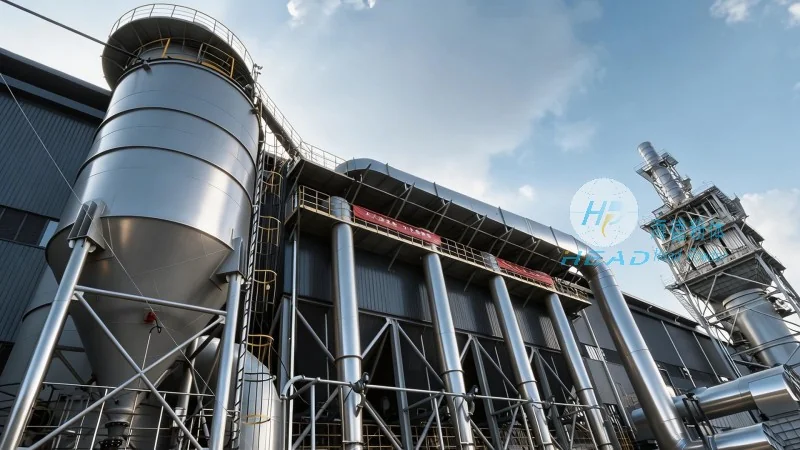
When selecting a dry cobblestone conveying method, partnering with a reputable company like Shandong HeadPowder Engineering Co., Ltd. provides several key advantages. The company's expertise in designing and manufacturing tailored conveying systems ensures that projects are completed efficiently and with minimal material loss. Their team of engineers and technicians works closely with clients to understand specific project needs, offering customized solutions that meet both operational and budgetary requirements. Additionally, HeadPowder's commitment to quality and reliability ensures that their conveying systems are built to withstand the demands of dry cobblestone transportation, providing long-term performance and durability.
Conclusion
Choosing the appropriate dry cobblestone conveying method is critical for the success of construction and landscaping projects. By understanding the different options available, including mechanical, gravity-fed, and specialized systems, project managers can select the most effective solution for their specific needs. Shandong HeadPowder Engineering Co., Ltd. stands as a trusted partner in this process, offering innovative and reliable dry cobblestone conveying solutions that enhance project efficiency and material integrity. Whether for short-distance transport or complex on-site applications, HeadPowder's expertise ensures that dry cobblestones are moved safely and efficiently, contributing to the overall success of any project.

 Shandong Headpowder Engineering Co., Ltd.
 156-6277-7102(Quản lý Trương)
  0531-83386006
  Thành phố Tế Nam, Tỉnh Sơn Đông, Trung Quốc
Điện thoại
WeChatTư vấn
Lên đầu