Với hơn 10 năm kinh nghiệm về vận chuyển khí nén, Headpowder Sơn Đông cung cấp hệ thống, thiết bị và quạt gió toàn chuỗi, đảm nhận các dự án kỹ thuật bột trọn gói trên toàn quốc.
Conveying nanopowders is a critical process in various industries, including pharmaceuticals, electronics, and materials science. The unique properties of nanoparticles—such as high surface area, reactivity, and tendency to agglomerate—pose significant challenges for traditional material handling systems. Effective nanopowder conveying not only ensures product integrity but also enhances operational efficiency and safety. This article explores the primary methods used to transport nanopowders, with a focus on the solutions provided by Shandong HeadPowder Engineering Co., Ltd., a leading manufacturer in the field.
Key Challenges in Nanopowder Handling
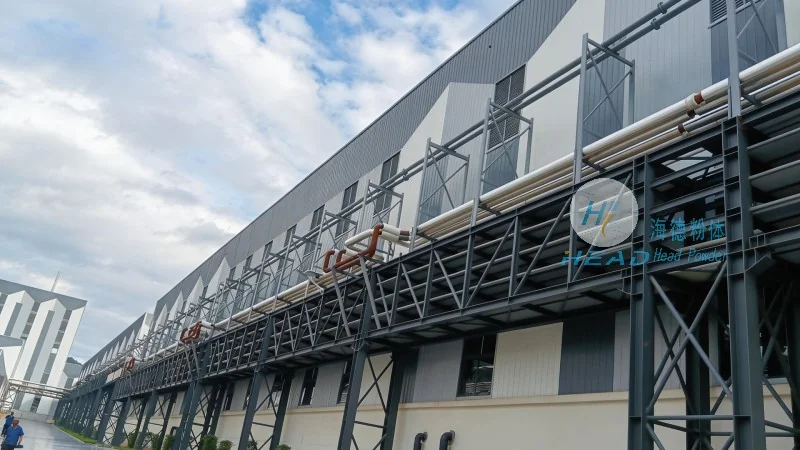
Handling nanopowders requires specialized equipment and techniques due to their inherent characteristics. Nanoparticles are prone to static charge buildup, which can cause electrostatic discharge (ESD) hazards and affect material flow. Additionally, their small size leads to increased friction and abrasion on conveying components, potentially leading to equipment wear and contamination. Furthermore, the risk of dust explosions in confined spaces necessitates explosion-proof designs and proper ventilation. These challenges highlight the need for tailored conveying solutions that address both material properties and operational safety.
Common Conveying Methods for Nanopowders
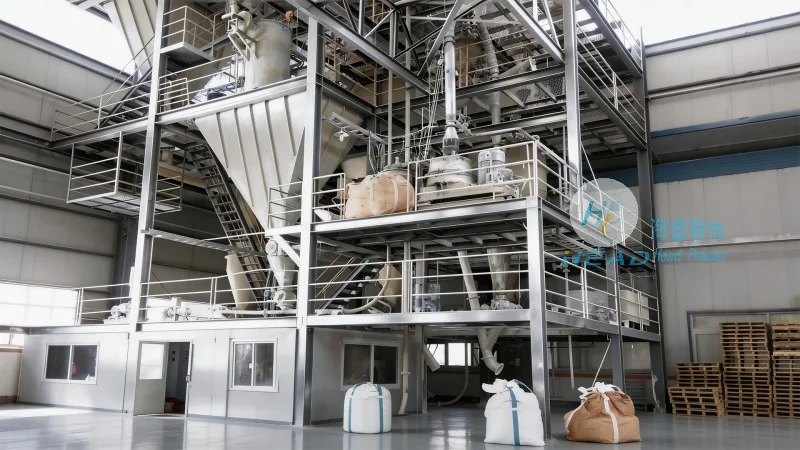
Several methods are commonly employed for nanopowder conveying, each with its own advantages and limitations. The selection of a method depends on factors such as powder characteristics, required throughput, and environmental constraints. Key conveying techniques include:
1. Air Classification and Fluidized Bed Conveying
Air classification and fluidized bed systems utilize air as the conveying medium. In this method, nanopowders are suspended in a stream of air and transported through pipelines. The fluidized bed helps maintain particle separation, preventing agglomeration. This technique is particularly effective for fine powders with low bulk density. However, it requires careful control of air flow and pressure to avoid particle loss or equipment damage. Fluidized bed conveyors are often used in applications like pharmaceutical granulation and food processing.
2. Screw and Auger Conveyors
Screw and auger conveyors use rotating helical screws to move nanopowders along a trough or tube. This method is suitable for powders with moderate to high bulk density and low moisture content. The screw design can be customized to handle different particle sizes and flow rates. However, screw conveyors may cause particle attrition and heat generation, which can affect the quality of the nanopowder. Proper lubrication and material selection for the screw and housing are essential to minimize wear and maintain product purity.
3. Pneumatic Conveying Systems
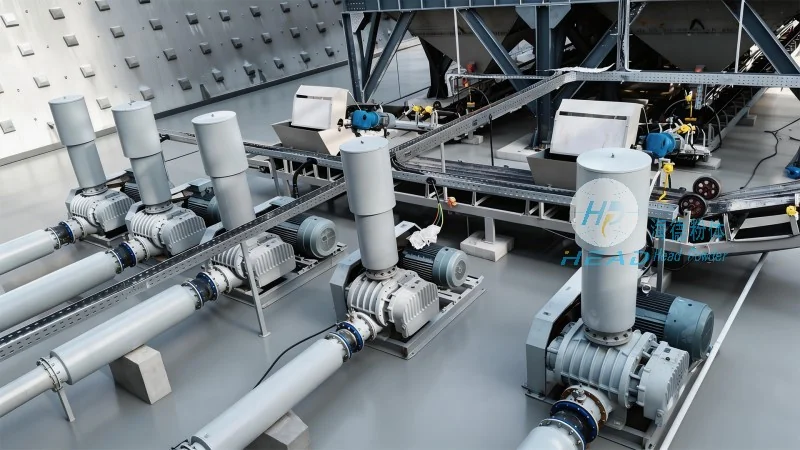
Pneumatic conveying systems use compressed air to transport nanopowders in a closed pipeline. These systems can be categorized into pressure and vacuum types. Pressure systems push the powder through the line using positive pressure, while vacuum systems draw the powder using negative pressure. Pneumatic conveying is versatile and can handle a wide range of powder types, including abrasive and corrosive materials. However, it requires high air pressure and may generate significant noise and dust if not properly sealed. Proper filtration and moisture control are critical to prevent system blockages and maintain air quality.
4. Vibratory Conveyors
Vibratory conveyors use vibration to move nanopowders along a trough. The vibration helps maintain particle flow and prevents clogging. This method is suitable for powders with high moisture content or those prone to bridging. Vibratory conveyors are relatively low-cost and easy to install, making them a popular choice for small-scale operations. However, they may not be effective for very fine or cohesive powders, as the vibration can cause agglomeration. Proper adjustment of vibration frequency and amplitude is necessary to optimize conveying efficiency.
HeadPowder's Expertise in Nanopowder Conveying Solutions
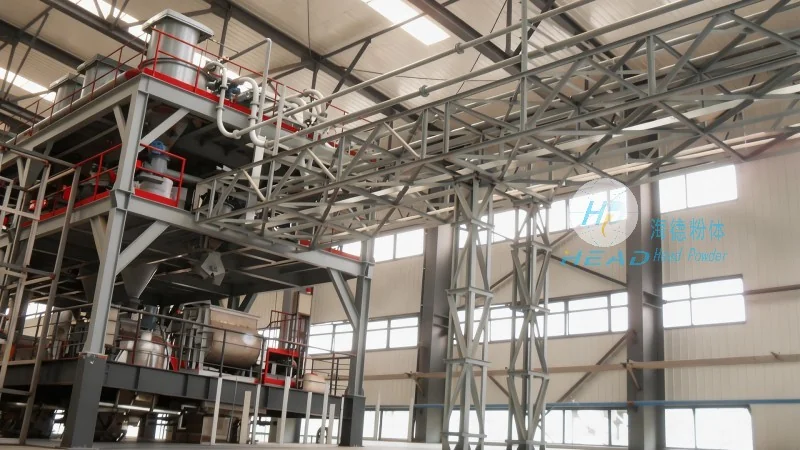
Shandong HeadPowder Engineering Co., Ltd., commonly known as HeadPowder, specializes in the design and manufacturing of advanced nanopowder conveying equipment. With years of experience in the industry, HeadPowder has developed tailored solutions that address the unique challenges of nanopowder handling. The company’s expertise lies in integrating material science principles with engineering design to create systems that ensure product integrity, operational safety, and efficiency. HeadPowder’s products are engineered to handle a wide range of nanopowders, from pharmaceutical actives to electronic materials, while adhering to stringent quality and safety standards.
HeadPowder’s team of engineers and technicians works closely with clients to understand their specific conveying requirements. By conducting thorough material analysis and process simulations, the company can recommend the most suitable conveying method and equipment configuration. This collaborative approach ensures that the final solution meets both technical and operational needs. HeadPowder’s commitment to innovation is evident in its use of advanced materials, such as corrosion-resistant alloys and ESD-safe components, to enhance the durability and performance of its conveying systems.
Conclusion
In conclusion, effective nanopowder conveying requires a combination of specialized equipment, careful material handling, and adherence to safety protocols. The methods discussed—air classification, screw conveyors, pneumatic systems, and vibratory conveyors—each offer unique advantages and are suitable for different applications. For industries seeking reliable and efficient nanopowder conveying solutions, Shandong HeadPowder Engineering Co., Ltd. provides cutting-edge technology and expert guidance. By leveraging its expertise in material science and engineering, HeadPowder helps clients overcome the challenges of nanopowder handling and achieve optimal operational performance.

 Shandong Headpowder Engineering Co., Ltd.
 156-6277-7102(Quản lý Trương)
  0531-83386006
  Thành phố Tế Nam, Tỉnh Sơn Đông, Trung Quốc
Điện thoại
WeChatTư vấn
Lên đầu