Với hơn 10 năm kinh nghiệm về vận chuyển khí nén, Headpowder Sơn Đông cung cấp hệ thống, thiết bị và quạt gió toàn chuỗi, đảm nhận các dự án kỹ thuật bột trọn gói trên toàn quốc.
When it comes to the efficient handling and transportation of fish meal, selecting the right conveyance method is crucial for maintaining product quality and operational efficiency. Shandong HeadPowder Engineering Co., Ltd., a leading manufacturer in the industry, specializes in providing advanced solutions tailored to the unique needs of fish meal processing facilities. This article explores the primary methods of fish meal conveyance, highlighting the advantages and considerations for each approach.
1. Screw Conveyors for Fish Meal Transport
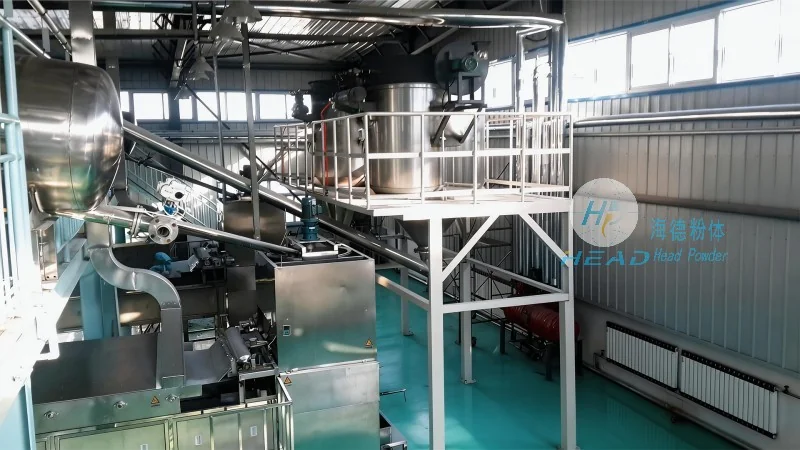
Screw conveyors, also known as auger conveyors, are among the most common and versatile equipment used in fish meal processing plants. These systems utilize a rotating helical screw to move material along a U-shaped or straight tube. For fish meal, which is often a fine, powdery substance, screw conveyors offer several benefits. They are capable of handling dry, free-flowing materials without the need for additional lubrication or special sealing, making them ideal for sanitary and food-grade applications. The enclosed design of screw conveyors also helps prevent contamination and dust dispersion, which is critical in maintaining the purity of fish meal. Additionally, screw conveyors can operate at various speeds and angles, allowing for flexible integration into existing processing lines. However, it is important to consider the potential for product degradation due to friction and heat generation, especially with high-moisture fish meal. Proper material selection for the screw and housing, such as stainless steel or food-grade plastics, is essential to ensure durability and compliance with industry standards.
2. Pneumatic Conveying Systems
Pneumatic conveying systems use air or other gases to transport fish meal through a network of pipes. This method is particularly effective for handling fine powders and can be categorized into two main types: pressure and vacuum systems. Pressure pneumatic conveyors operate by forcing air and material through a pipeline, typically using a positive displacement blower or compressor. This approach is suitable for short to medium-distance transport and can handle high volumes of material. Vacuum systems, on the other hand, draw material into the pipeline using a vacuum pump, making them ideal for long-distance or multi-point collection. Pneumatic conveyors offer advantages such as minimal product degradation, as the material is not in direct contact with moving parts, and the ability to transport materials over long distances without the need for multiple transfer points. However, they require careful design to prevent material buildup and blockages, as fish meal can be prone to bridging and clogging in vertical or horizontal pipelines. Proper air flow management and the use of anti-static materials are also critical to ensure safe and efficient operation.
3. Belt Conveyors for Bulk Fish Meal Handling
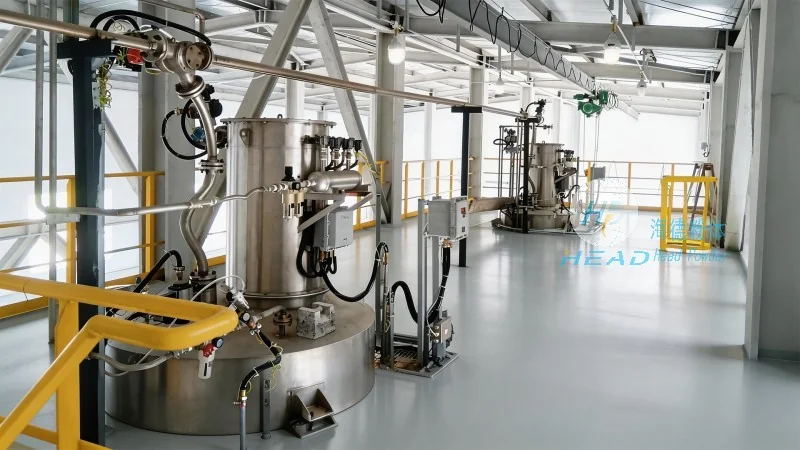
Belt conveyors are widely used in the fish meal industry for the bulk handling of materials, including raw fish meal and finished products. These systems consist of a continuous loop of belt supported by rollers, which moves material from one point to another through gravity or motor-driven mechanisms. Belt conveyors are particularly effective for transporting larger quantities of fish meal over long distances, such as from storage silos to processing equipment or packaging lines. They offer high capacity and low maintenance costs, making them a cost-effective solution for many facilities. The design of belt conveyors can be customized to accommodate different material characteristics, including the use of special belts with anti-static or food-grade coatings to prevent material sticking and contamination. However, belt conveyors require regular maintenance to ensure proper alignment and tension, as misalignment can lead to belt wear and material spillage. Additionally, they may not be suitable for very fine or dusty fish meal, as the material can easily fall through the belt or cause dust accumulation in the system.
4. Bucket Elevators for Vertical Transport
For vertical transport of fish meal, bucket elevators are a common and efficient solution. These systems consist of a vertical or inclined conveyor with a series of buckets attached to a chain or belt. As the conveyor rotates, the buckets scoop up material from a hopper and lift it to the desired height, where the material is discharged. Bucket elevators are ideal for transporting fish meal from ground-level storage to elevated processing areas or silos, allowing for space optimization in processing facilities. They offer high capacity and can handle a wide range of material sizes and densities, including fine powders. The enclosed design of bucket elevators helps prevent dust and product loss, which is important for maintaining product quality and environmental compliance. However, bucket elevators require careful maintenance to ensure proper bucket alignment and chain tension, as misalignment can lead to bucket damage or material spillage. Additionally, they may not be suitable for very high volumes or extremely fine materials, as the buckets can become clogged or cause excessive wear.
5. Hydraulic Conveyors for Specialized Applications
Hydraulic conveyors use fluid power to transport fish meal, typically in a slurry or paste form. These systems are less common in the fish meal industry but are used in specialized applications, such as transporting wet or high-moisture fish meal from processing equipment to storage tanks. Hydraulic conveyors consist of a pump, fluid reservoir, and a hydraulic cylinder or piston that moves the material through a pipeline. This method is effective for handling viscous materials and can provide precise control over flow rates and pressure. However, hydraulic systems require regular maintenance to prevent fluid leaks and component wear, as the high-pressure fluid can cause damage to seals and hoses. Additionally, they may not be suitable for dry or free-flowing fish meal, as the fluid power system is more complex and less efficient for such materials.
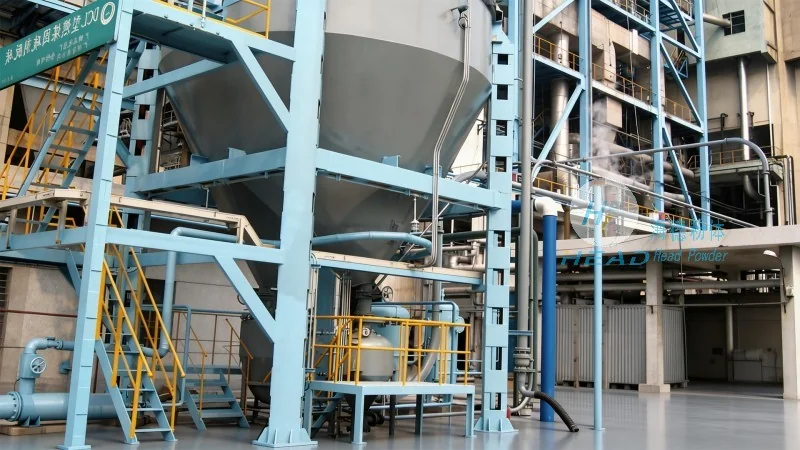
6. Considerations for Choosing the Right Conveyance Method
When selecting a fish meal conveyance method, several factors must be considered to ensure optimal performance and compliance with industry standards. First, the physical properties of the fish meal, such as particle size, moisture content, and flowability, play a critical role in determining the most suitable equipment. For example, fine powders may require pneumatic or screw conveyors, while bulk materials may benefit from belt conveyors. Second, the distance and layout of the processing facility are important considerations, as different methods are better suited for short or long-distance transport. Third, operational factors such as maintenance requirements, energy consumption, and cost must be evaluated to ensure the chosen system aligns with the facility's budget and operational goals. Finally, compliance with food safety regulations and environmental standards is essential, as fish meal is a food product and must be handled in a sanitary and environmentally responsible manner. Shandong HeadPowder Engineering Co., Ltd. offers a range of conveyance solutions tailored to these considerations, providing customized equipment that meets the specific needs of each client.
Conclusion
In conclusion, the choice of fish meal conveyance method depends on a variety of factors, including the material properties, transport distance, and operational requirements of the processing facility. Screw conveyors, pneumatic systems, belt conveyors, bucket elevators, and hydraulic conveyors each offer unique advantages and considerations. By carefully evaluating these factors and consulting with industry experts, such as Shandong HeadPowder Engineering Co., Ltd., facilities can select the most efficient and effective conveyance method to ensure product quality, operational efficiency, and compliance with industry standards. Whether handling fine powders or bulk materials, the right conveyance system is essential for maintaining the integrity of fish meal and optimizing processing operations.

 Shandong Headpowder Engineering Co., Ltd.
 156-6277-7102(Quản lý Trương)
  0531-83386006
  Thành phố Tế Nam, Tỉnh Sơn Đông, Trung Quốc
Điện thoại
WeChatTư vấn
Lên đầu