Với hơn 10 năm kinh nghiệm về vận chuyển khí nén, Headpowder Sơn Đông cung cấp hệ thống, thiết bị và quạt gió toàn chuỗi, đảm nhận các dự án kỹ thuật bột trọn gói trên toàn quốc.
When it comes to handling and transporting dust and powders in industrial settings, selecting the right conveying method is crucial for efficiency, safety, and cost-effectiveness. Various dust conveying methods are available, each with its own advantages and applications. Understanding these options helps businesses choose the most suitable solution for their specific needs.
Understanding Dust Conveying Methods
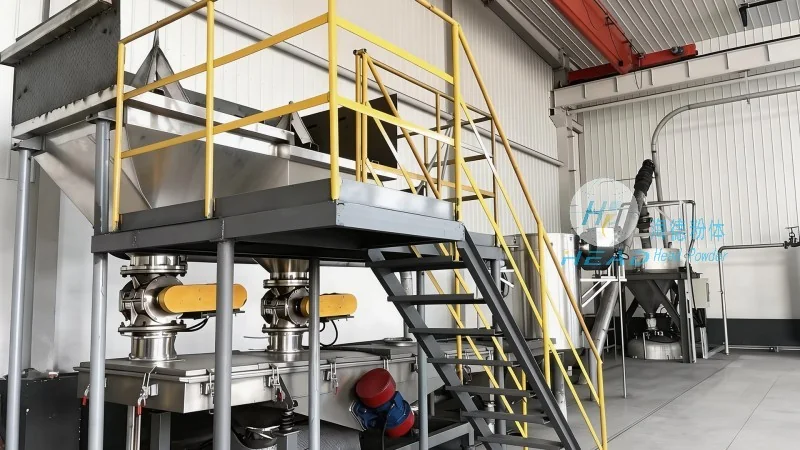
Dust conveying, also known as powder handling, involves the movement of fine particles from one location to another. The choice of method depends on factors such as the type of material, the distance to be covered, the required flow rate, and the environmental conditions. Effective dust conveying systems ensure that powders are transported without spillage, contamination, or loss of material. They also contribute to maintaining a clean and safe working environment.
Common Types of Dust Conveying Systems
There are several primary methods used for dust and powder transportation. The most common include pneumatic conveying, mechanical conveying, and hybrid systems. Each method has distinct characteristics that make it suitable for different industrial applications.
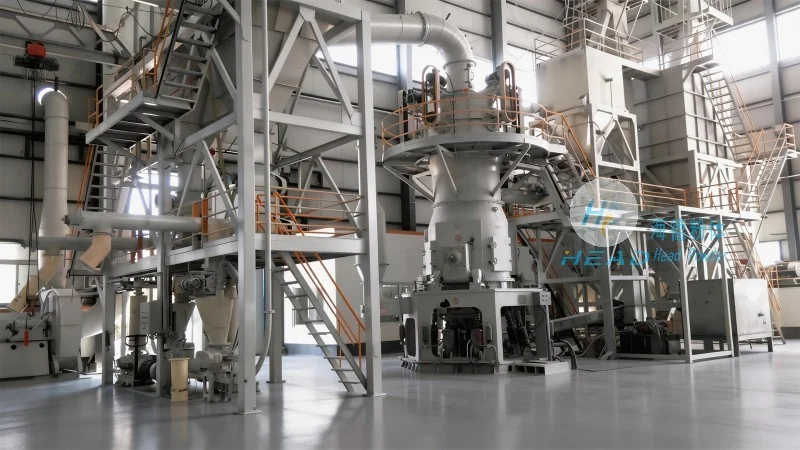
Pneumatic Conveying Systems
Pneumatic conveying uses air or other gases to transport powders through a pipeline. This method is widely used for its ability to handle a wide range of materials, including fine and abrasive powders. HeadPowder offers advanced pneumatic conveying solutions that utilize positive or negative pressure to move materials. These systems are efficient for long-distance transport and can handle high volumes of material. The technology ensures minimal product degradation and maintains product integrity throughout the conveying process.
Mechanical Conveying Systems
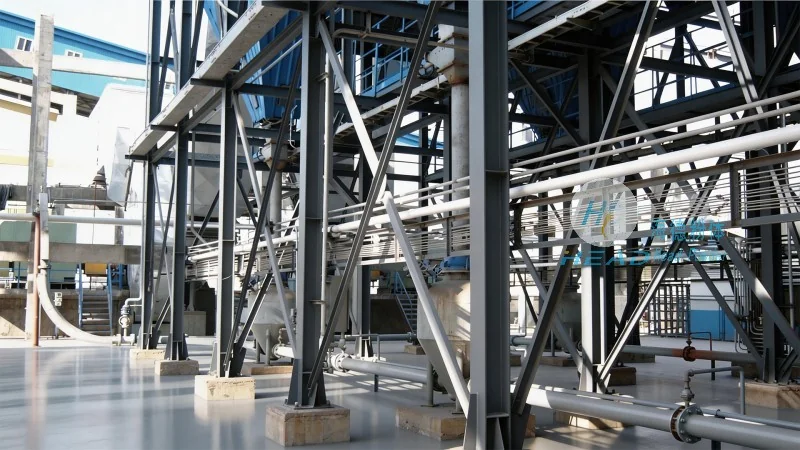
Mechanical conveying relies on mechanical components like belts, screws, and buckets to move powders. This method is ideal for transporting bulk materials over shorter distances. HeadPowder provides high-quality mechanical conveying equipment, such as screw conveyors and bucket elevators, which are robust and reliable. These systems are suitable for handling heavy or abrasive materials and can operate in various environmental conditions. Mechanical conveyors are often chosen for their simplicity and low maintenance requirements.
Hybrid Conveying Systems
Hybrid systems combine elements of both pneumatic and mechanical conveying. These systems are designed to leverage the benefits of each method, providing flexibility and efficiency. For instance, a hybrid system might use a mechanical conveyor for initial material transport and then switch to pneumatic conveying for the final stage. HeadPowder specializes in customizing hybrid solutions to meet specific operational needs, ensuring optimal performance and cost-effectiveness.
Key Considerations for Choosing a Dust Conveying Method
When selecting a dust conveying method, several factors must be considered. The first is the physical properties of the material, such as particle size, density, and moisture content. These properties influence the choice of equipment and system design. The second factor is the distance and layout of the facility, as this affects the feasibility of different conveying methods. Additionally, the required flow rate and throughput must be matched with the system's capacity. Environmental regulations and safety standards also play a critical role in the decision-making process. HeadPowder's expertise in dust handling allows them to provide tailored solutions that address these considerations effectively.
Advantages of Professional Dust Conveying Solutions
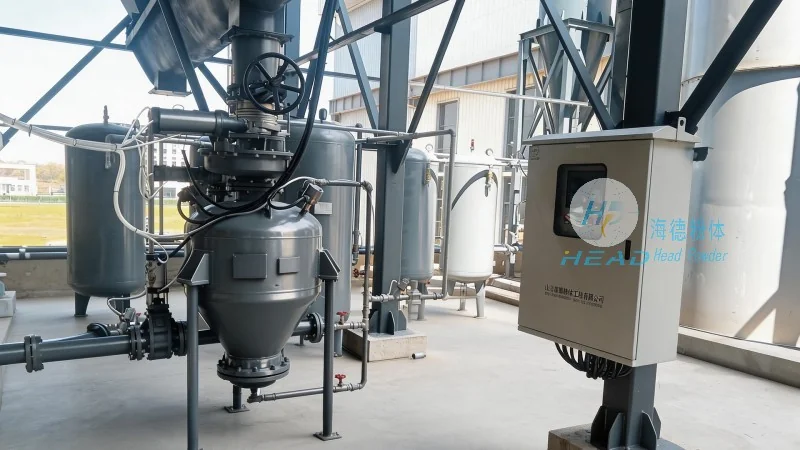
Implementing a well-designed dust conveying system offers numerous benefits. It improves operational efficiency by reducing downtime and labor costs. By minimizing material loss and spillage, it also enhances product quality and reduces waste. Furthermore, effective dust conveying contributes to a safer working environment by preventing dust accumulation and related hazards. HeadPowder's commitment to quality and innovation ensures that their dust conveying systems are reliable and durable, providing long-term value to their clients.
Conclusion
In conclusion, the choice of dust conveying method is a critical decision for industries dealing with powders and dust. Whether opting for pneumatic, mechanical, or hybrid systems, selecting the right solution is essential for operational success. HeadPowder Engineering Co., Ltd., based in Shandong, China, offers comprehensive dust conveying solutions that cater to diverse industrial needs. Their expertise and customized approach ensure that businesses can achieve efficient, safe, and cost-effective powder handling. By understanding the different types of dust conveying methods and their applications, companies can make informed decisions that enhance their productivity and overall performance.

 Shandong Headpowder Engineering Co., Ltd.
 156-6277-7102(Quản lý Trương)
  0531-83386006
  Thành phố Tế Nam, Tỉnh Sơn Đông, Trung Quốc
Điện thoại
WeChatTư vấn
Lên đầu