Với hơn 10 năm kinh nghiệm về vận chuyển khí nén, Headpowder Sơn Đông cung cấp hệ thống, thiết bị và quạt gió toàn chuỗi, đảm nhận các dự án kỹ thuật bột trọn gói trên toàn quốc.
Ammonium chloride is a widely used chemical compound in various industrial applications, and efficient conveying methods are crucial for its safe and reliable handling. HeadPowder, a leading provider of material handling solutions, specializes in advanced pneumatic conveying systems tailored for ammonium chloride transport. This article explores common conveying methods for ammonium chloride and highlights the unique advantages of HeadPowder's pneumatic conveying technology.
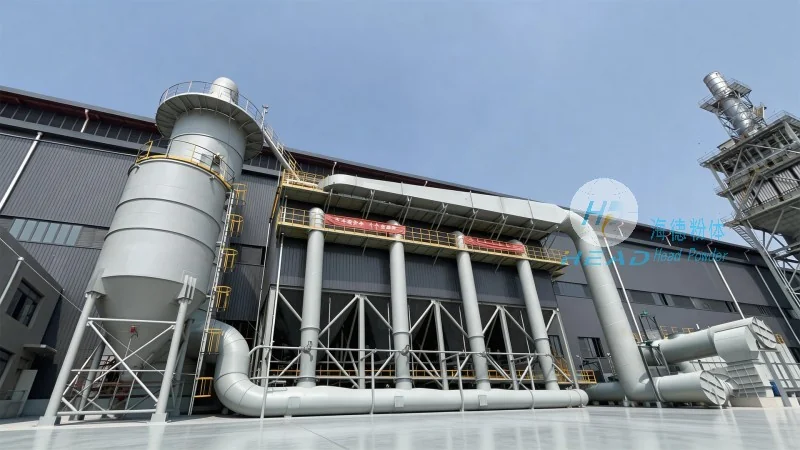
Understanding Ammonium Chloride and Conveying Challenges
Ammonium chloride (NH₄Cl) is a white crystalline solid commonly used in fertilizers, chemical manufacturing, and pharmaceuticals. Its handling requires careful consideration due to its hygroscopic nature and potential for dust generation. Traditional conveying methods, such as belt conveyors or screw conveyors, may face challenges like material sticking, corrosion, or dust control issues. These challenges necessitate innovative solutions to ensure efficient and safe transport of ammonium chloride.
Common Conveying Methods for Ammonium Chloride
Several conventional methods are used for transporting ammonium chloride, each with its own set of advantages and limitations. The most common approaches include:
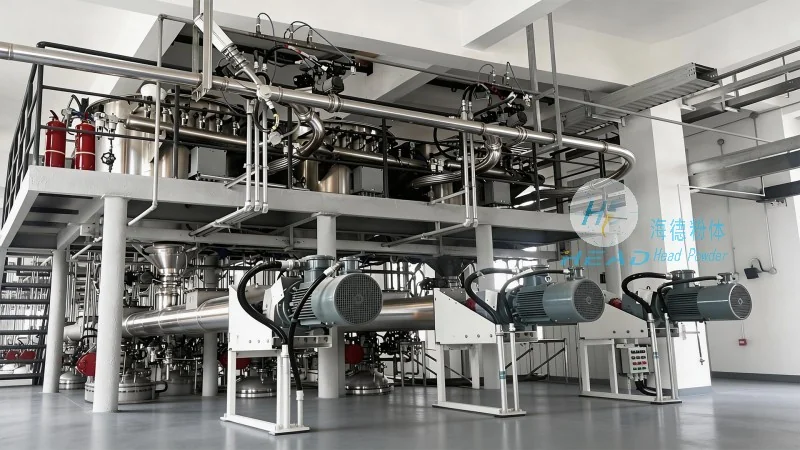
Belt Conveyors: These systems use a continuous belt to move material from one point to another. While effective for bulk materials, belt conveyors may struggle with ammonium chloride's tendency to stick to the belt surface, leading to operational inefficiencies and maintenance challenges.
Screw Conveyors: Screw conveyors utilize a rotating screw to push material forward. However, ammonium chloride's abrasive properties can cause wear and tear on the screw and housing, reducing the system's lifespan and increasing maintenance costs.
Pneumatic Conveying: This method uses air pressure to transport material through a pipeline. It offers advantages like dust-free operation and flexibility in layout, but traditional pneumatic systems may have limitations in handling high concentrations or abrasive materials.
HeadPowder's Pneumatic Conveying System: Advantages and Features
HeadPowder's pneumatic conveying system represents a significant advancement in ammonium chloride transport technology. The system is designed to address the challenges associated with traditional methods, offering several key advantages:
Efficient and Dust-Free Operation: The system utilizes positive or negative pressure to transport ammonium chloride through sealed pipelines, eliminating dust emissions and ensuring a clean working environment. This is particularly beneficial in applications where dust control is critical, such as in food processing or pharmaceutical manufacturing.
Flexibility in Layout: Unlike fixed conveyor systems, HeadPowder's pneumatic system can be easily reconfigured to accommodate changes in production processes or facility layouts. This adaptability reduces downtime and increases operational flexibility.
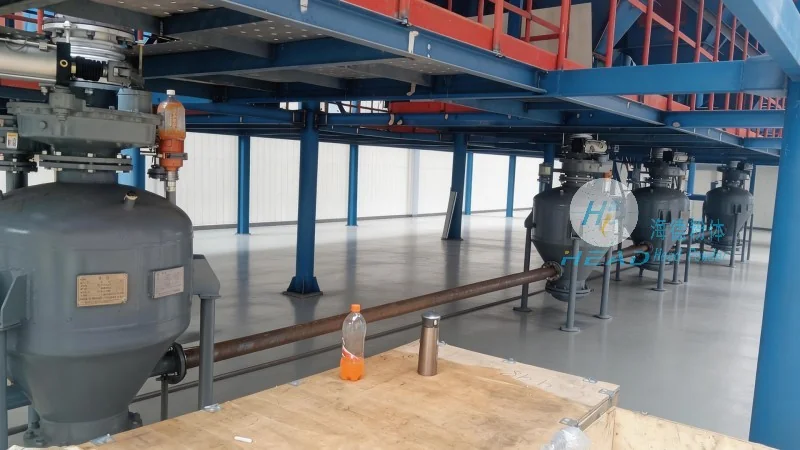
Reduced Maintenance Costs: The system's design minimizes contact between the material and equipment components, reducing wear and tear. This results in lower maintenance requirements and extended equipment lifespan compared to traditional conveying methods.
Enhanced Safety: By eliminating the need for manual handling and open conveyors, the system reduces the risk of accidents and exposure to ammonium chloride dust. This improves workplace safety and compliance with regulatory standards.
Conclusion: Choosing the Right Conveying Solution for Ammonium Chloride
When selecting a conveying method for ammonium chloride, it is essential to consider factors such as material properties, operational requirements, and safety regulations. While traditional methods like belt and screw conveyors have their uses, they may not be suitable for all applications. HeadPowder's pneumatic conveying system offers a superior solution by combining efficiency, flexibility, and safety. By leveraging advanced technology and engineering expertise, HeadPowder provides customized solutions that meet the specific needs of industrial clients. For businesses handling ammonium chloride, investing in a reliable pneumatic conveying system from HeadPowder can lead to improved productivity, reduced costs, and enhanced safety in material transport operations.

 Shandong Headpowder Engineering Co., Ltd.
 156-6277-7102(Quản lý Trương)
  0531-83386006
  Thành phố Tế Nam, Tỉnh Sơn Đông, Trung Quốc
Điện thoại
WeChatTư vấn
Lên đầu