Với hơn 10 năm kinh nghiệm về vận chuyển khí nén, Headpowder Sơn Đông cung cấp hệ thống, thiết bị và quạt gió toàn chuỗi, đảm nhận các dự án kỹ thuật bột trọn gói trên toàn quốc.
Electric powder, such as that used in the production of phenolic resins and other industrial applications, often requires efficient and reliable conveying systems to ensure smooth operation in manufacturing processes. Among the various methods available, pneumatic conveying stands out as a preferred solution for many industries due to its flexibility, efficiency, and ability to handle fine powders like electric powder. This article explores common electric powder conveying methods and highlights the key advantages of HeadPowder's pneumatic conveying solutions, focusing on how they address the unique challenges associated with electric powder handling.
Understanding Electric Powder and Conveying Challenges
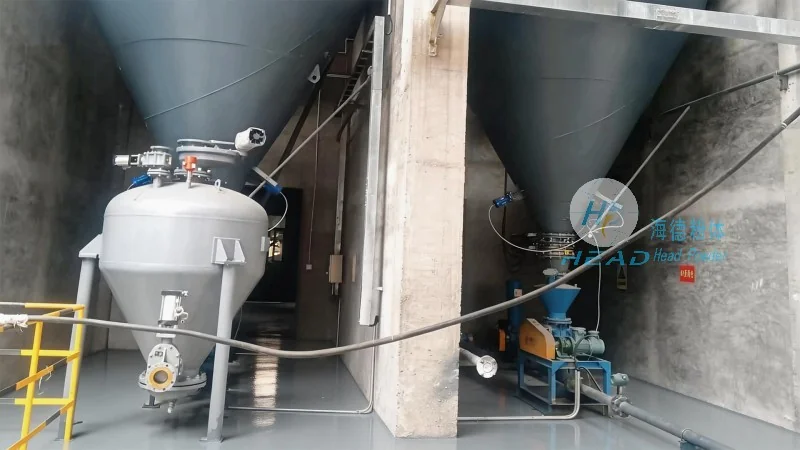
Electric powder, typically composed of fine particles with specific electrical properties, presents unique challenges during the conveying process. These challenges include particle agglomeration, dust generation, and the need for controlled flow to prevent product degradation or equipment damage. Traditional methods like bucket elevators or belt conveyors may struggle with these issues, especially when dealing with powders that are prone to static electricity or have a tendency to clog or degrade under mechanical stress. Pneumatic conveying, by contrast, offers a more gentle and controlled approach to moving electric powder, minimizing the risk of particle damage and ensuring consistent product quality.
Common Electric Powder Conveying Methods
Several methods are commonly used for electric powder conveying, each with its own set of advantages and limitations. The primary options include:
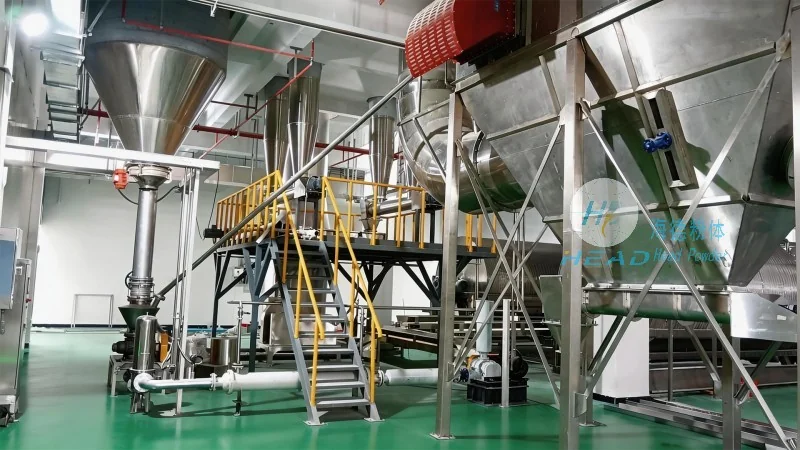
1. Pneumatic Conveying: This method uses air or other gases to transport powder through a pipeline system. It can be further categorized into pressure and vacuum systems, offering flexibility in handling different powder characteristics and distances. Pneumatic conveying is particularly effective for electric powder due to its ability to handle fine particles without the need for mechanical contact, reducing the risk of contamination or particle degradation.
2. Mechanical Conveying: This includes belt conveyors, screw conveyors, and bucket elevators, which rely on mechanical components to move powder. While these methods are widely used, they may not be suitable for electric powder due to the potential for particle breakage, increased dust generation, and the risk of static buildup that can affect equipment performance and safety.
3. Hybrid Systems: Some facilities combine pneumatic and mechanical conveying to leverage the strengths of both approaches. For example, pneumatic conveying might be used for long-distance transport, while mechanical conveyors handle short-distance or bulk material handling. This hybrid approach can optimize efficiency but may add complexity to the system.
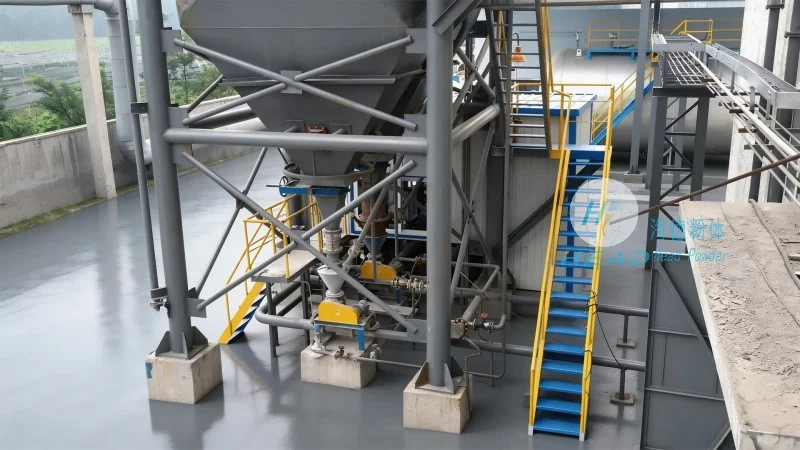
HeadPowder's Pneumatic Conveying Advantages for Electric Powder
HeadPowder, a leading provider of industrial conveying solutions, specializes in designing and manufacturing pneumatic conveying systems tailored to the specific needs of electric powder applications. The company's expertise lies in addressing the unique challenges of electric powder, such as static electricity, particle size, and flow control. By leveraging advanced technology and engineering, HeadPowder's systems offer several key advantages:
First, gentle handling is a critical feature of their pneumatic conveying solutions. Unlike mechanical conveyors that can cause particle breakage or agglomeration, pneumatic systems use air to move powder, minimizing physical stress on the particles. This is particularly important for electric powder, as maintaining particle integrity is essential for consistent product performance.
Second, efficient dust control is a significant advantage. Pneumatic conveying systems are equipped with filtration and dust collection mechanisms that effectively capture and contain fine powder particles, reducing airborne dust and improving workplace safety. This is crucial in environments where dust can be a health hazard or interfere with downstream processes.
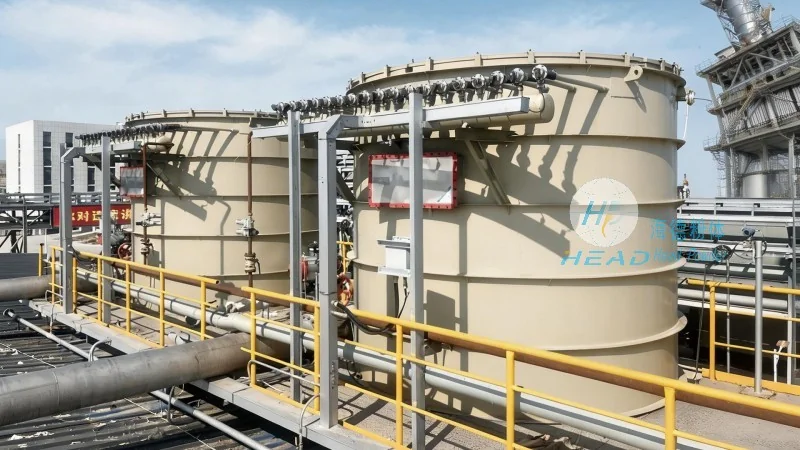
Third, flexibility and scalability are key benefits. HeadPowder's systems can be customized to handle varying powder flow rates, distances, and particle sizes. Whether a facility needs to transport electric powder over short distances or long distances, the system can be adjusted to meet specific requirements. Additionally, the modular design allows for easy expansion or integration with existing equipment, making it a cost-effective solution for growing operations.
Fourth, energy efficiency is another advantage. Modern pneumatic conveying systems are designed to optimize air usage, reducing energy consumption compared to traditional mechanical methods. This not only lowers operational costs but also aligns with sustainability goals by minimizing environmental impact.
Conclusion
When it comes to conveying electric powder, the choice of method can significantly impact operational efficiency, product quality, and safety. While mechanical conveying methods have their place, pneumatic conveying offers a more effective and reliable solution for handling fine, electrically charged powders. HeadPowder's pneumatic conveying systems, with their focus on gentle handling, efficient dust control, flexibility, and energy efficiency, provide a superior alternative for industries dealing with electric powder. By choosing a system from HeadPowder, manufacturers can ensure smooth, safe, and efficient operation, ultimately enhancing productivity and product quality.

 Shandong Headpowder Engineering Co., Ltd.
 156-6277-7102(Quản lý Trương)
  0531-83386006
  Thành phố Tế Nam, Tỉnh Sơn Đông, Trung Quốc
Điện thoại
WeChatTư vấn
Lên đầu