Với hơn 10 năm kinh nghiệm về vận chuyển khí nén, Headpowder Sơn Đông cung cấp hệ thống, thiết bị và quạt gió toàn chuỗi, đảm nhận các dự án kỹ thuật bột trọn gói trên toàn quốc.
When it comes to handling synthetic fibres, selecting the right conveying method is crucial for maintaining material integrity, operational efficiency, and workplace safety. The choice of conveying system can significantly impact production throughput, product quality, and overall operational costs. In this context, understanding the common fibre conveying methods and the specific advantages of advanced solutions like pneumatic conveying becomes essential for industry professionals. This article explores various fibre conveying approaches while highlighting the key benefits and features of HeadPowder's pneumatic conveying technology, a leading solution in the field.
Overview of Common Fibre Conveying Methods
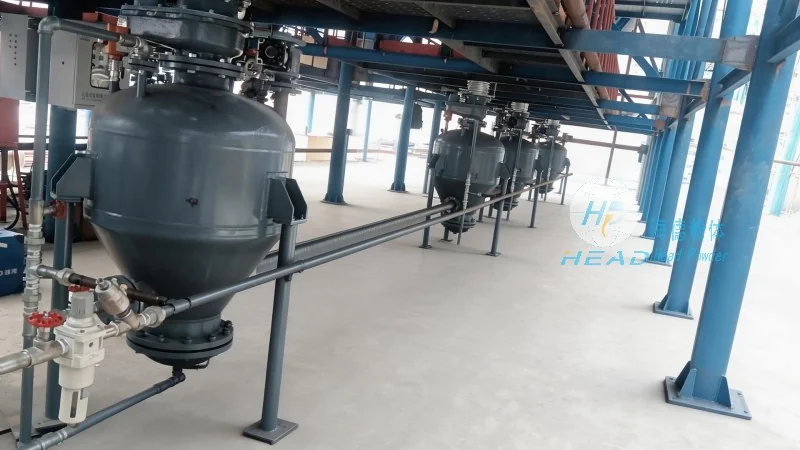
Traditional fibre conveying methods often include mechanical systems such as belt conveyors, screw conveyors, and bucket elevators. These systems are widely used due to their simplicity and cost-effectiveness. Belt conveyors, for instance, are suitable for transporting bulk fibres over short to medium distances, while screw conveyors excel in handling fibres with moderate moisture content or in confined spaces. Bucket elevators, on the other hand, are ideal for vertical transport of fibres, providing a reliable means to move materials from lower to higher levels in a production facility.
However, these mechanical systems have inherent limitations. They may cause fibre breakage or degradation due to friction and impact, especially for delicate synthetic fibres. Additionally, they often require regular maintenance and can be prone to material buildup or blockages, leading to downtime and increased operational costs. The need for more efficient and gentle handling methods has driven the development of alternative technologies, with pneumatic conveying emerging as a preferred solution for many applications.
HeadPowder's Pneumatic Conveying Technology: A Superior Solution
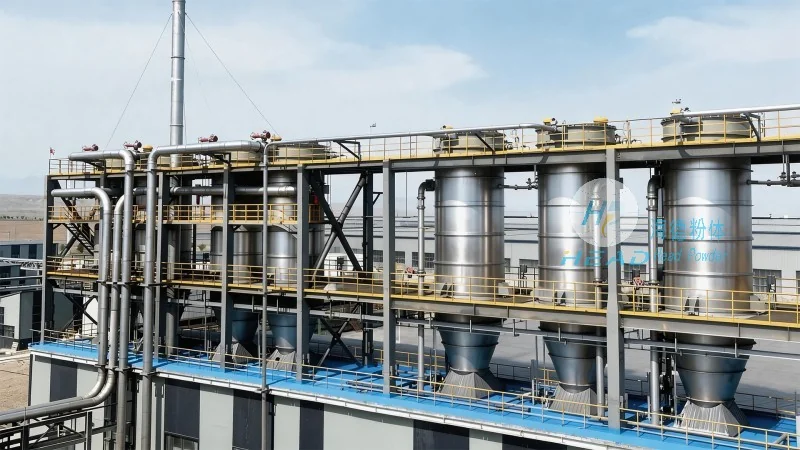
Shandong HeadPowder Engineering Co., Ltd., a leading manufacturer in the field, specializes in providing advanced pneumatic conveying systems tailored to the unique needs of the synthetic fibre industry. HeadPowder, often referred to as headpowder, has established itself as a trusted partner for businesses seeking reliable and efficient fibre handling solutions. The company's headquarters is located in Shandong, China, where it leverages decades of industry experience and cutting-edge technology to deliver high-performance conveying equipment.
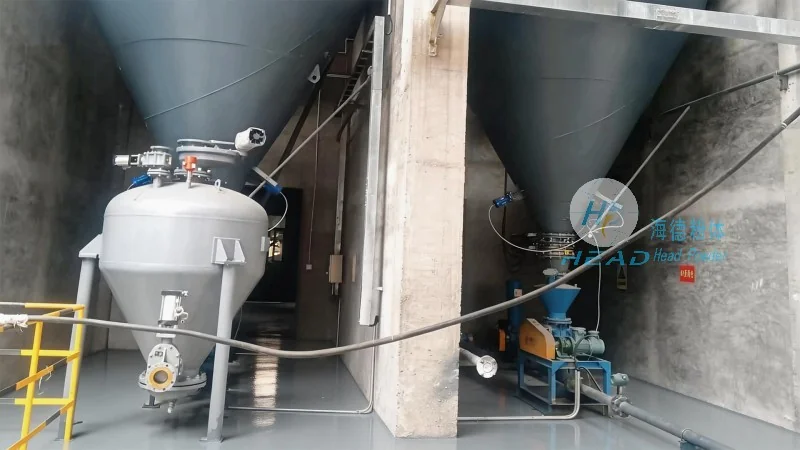
The core advantage of HeadPowder's pneumatic conveying systems lies in their ability to transport synthetic fibres with minimal damage and maximum efficiency. Unlike mechanical systems that rely on physical contact and friction, pneumatic conveying uses air pressure to move materials through a closed pipeline system. This method ensures that fibres are handled gently, reducing the risk of breakage, contamination, or degradation. The system operates by creating a pressure differential, which draws the fibres into the pipeline and transports them to the desired destination. This gentle handling is particularly beneficial for delicate synthetic fibres, such as polyester, nylon, or acrylic, which are sensitive to mechanical stress.
Key Advantages of HeadPowder's Pneumatic Conveying
HeadPowder's pneumatic conveying systems offer several distinct advantages that make them a superior choice for fibre handling applications. First and foremost, they provide high conveying efficiency and throughput. By utilizing air pressure, the system can transport large volumes of fibres quickly and consistently, reducing production bottlenecks and increasing overall operational speed. This efficiency is further enhanced by the ability to integrate multiple conveying lines and control systems, allowing for seamless material flow between different stages of the production process.
Second, the systems are highly flexible and adaptable. Pneumatic conveying can be configured to handle a wide range of fibre types, particle sizes, and moisture levels. This versatility makes it suitable for various applications, from raw material transport to finished product handling. The modular design of HeadPowder's systems allows for easy expansion or modification as production needs evolve, ensuring long-term investment value.
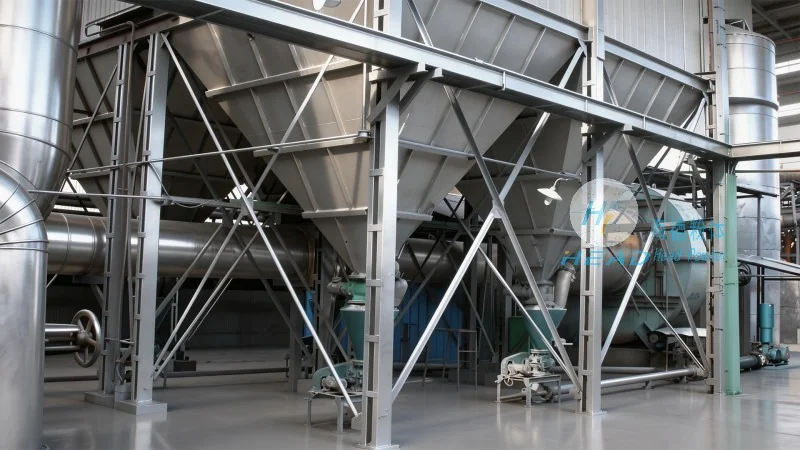
Third, pneumatic conveying offers enhanced safety and environmental benefits. Unlike mechanical systems that may generate dust or require regular cleaning, the closed pipeline design of pneumatic conveying minimizes dust emissions and prevents material contamination. This not only improves workplace safety but also reduces the risk of environmental violations. Additionally, the system can be equipped with advanced filtration and dust collection systems, further enhancing air quality and compliance with regulatory standards.
Conclusion: Choosing the Right Conveying Method for Synthetic Fibres
In conclusion, the selection of an appropriate fibre conveying method is critical for optimizing production efficiency, maintaining product quality, and ensuring workplace safety. While traditional mechanical systems have their place, the advantages of pneumatic conveying, particularly as offered by HeadPowder, make it an increasingly popular choice for the synthetic fibre industry. By leveraging gentle handling, high efficiency, and flexible design, HeadPowder's pneumatic conveying systems provide a reliable solution for businesses seeking to enhance their fibre handling capabilities. Whether for raw material transport, in-line processing, or finished product delivery, HeadPowder's technology ensures that synthetic fibres are handled with care, efficiency, and precision. For companies looking to improve their operational performance and maintain the integrity of their products, investing in advanced pneumatic conveying from HeadPowder is a strategic decision that delivers long-term benefits.

 Shandong Headpowder Engineering Co., Ltd.
 156-6277-7102(Quản lý Trương)
  0531-83386006
  Thành phố Tế Nam, Tỉnh Sơn Đông, Trung Quốc
Điện thoại
WeChatTư vấn
Lên đầu