Với hơn 10 năm kinh nghiệm về vận chuyển khí nén, Headpowder Sơn Đông cung cấp hệ thống, thiết bị và quạt gió toàn chuỗi, đảm nhận các dự án kỹ thuật bột trọn gói trên toàn quốc.
When it comes to efficiently transporting plaster powder in industrial settings, selecting the appropriate pneumatic conveying system is crucial. Plaster powder, with its fine particles and specific handling requirements, demands a system that ensures minimal product degradation, consistent flow, and operational reliability. This article explores the key factors to consider when choosing a pneumatic conveying system tailored to your plaster powder handling needs, with insights from industry experts at Shandong HeadPowder Engineering Co., Ltd.
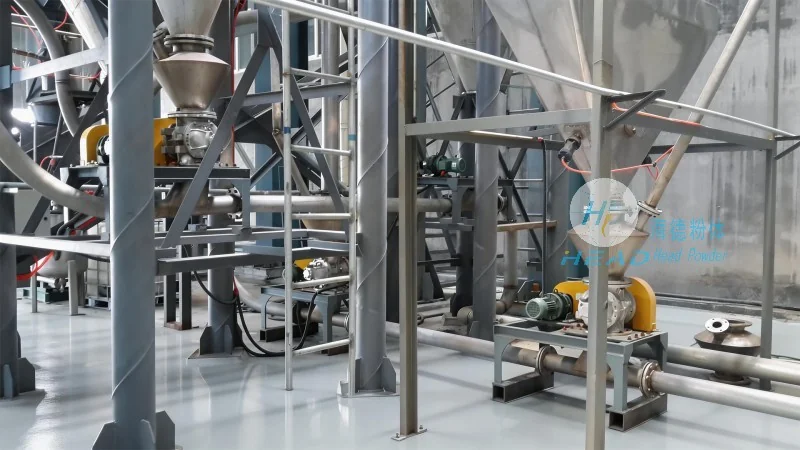
Understanding the Core Requirements of Plaster Powder Handling
Before diving into system selection, it's essential to understand the unique characteristics of plaster powder. Plaster powder typically consists of fine, dry particles that are prone to dust generation and can be sensitive to moisture or air flow disruptions. The material's density, particle size distribution, and flowability all play a significant role in determining the most suitable conveying method. For companies operating in the plaster manufacturing or construction materials sector, ensuring that the chosen system can handle these variables without compromising product quality is paramount.
Key Factors to Evaluate in Pneumatic Conveying Systems
Several critical factors must be evaluated when selecting a pneumatic conveying system for plaster powder. The first consideration is the system's capacity and flow rate requirements. Depending on production volumes, the system must be capable of handling the desired throughput without bottlenecks or excessive pressure drops. Additionally, the type of conveying technology—such as pressure or vacuum systems—needs to align with the specific application. Pressure systems are often preferred for long-distance or high-volume conveying, while vacuum systems may be more suitable for shorter distances or when material is collected from multiple points. The choice of system also depends on the plant layout, including the number of transfer points, vertical and horizontal distances, and the need for flexibility in the conveying network.
Types of Pneumatic Conveying Systems for Plaster Powder
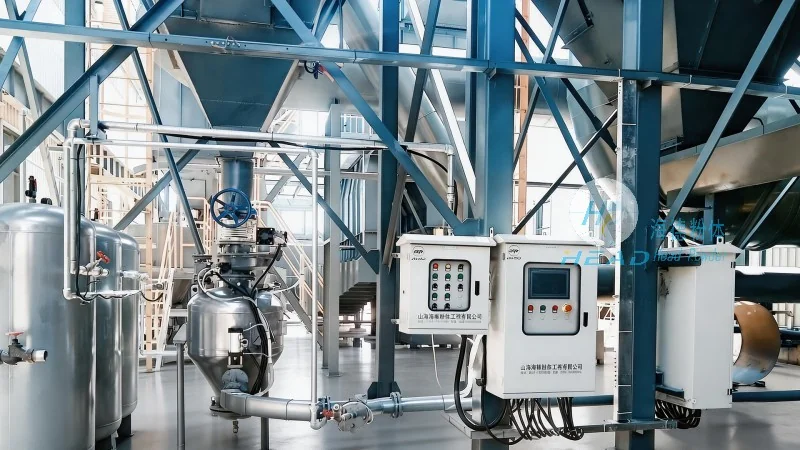
There are primarily two types of pneumatic conveying systems used in plaster powder handling: pressure and vacuum systems. Pressure systems operate by blowing air or gas into the conveying line under pressure, pushing the material forward. These systems are generally more suitable for long-distance or high-volume applications, as they can maintain consistent flow over extended distances. Common pressure systems include positive displacement blowers and rotary lobe blowers, which provide the necessary pressure to move the material efficiently. On the other hand, vacuum systems use suction to draw the material into the conveying line. They are often used for shorter distances or when the material needs to be collected from multiple sources and transported to a central location. Vacuum systems are typically more flexible and can handle materials with varying particle sizes and flow characteristics.
Material Handling Considerations and Equipment Selection
When selecting equipment for a plaster powder pneumatic conveying system, several aspects must be taken into account. The hopper or feeder used to introduce the material into the system is critical. For plaster powder, a well-designed hopper with proper aeration and flow control can prevent bridging or clogging, ensuring a smooth feed. The material's flowability and angle of repose are key factors in hopper design, as they affect how easily the powder moves into the conveying line. Additionally, the choice of air or gas source is important. Compressed air or industrial gases like nitrogen can be used, depending on the plant's existing infrastructure and the material's sensitivity to moisture or oxygen. The system's components, such as filters, cyclones, and dust collectors, are also essential for maintaining product quality and ensuring compliance with environmental regulations. Proper filtration and separation of the powder from the air stream prevent contamination and reduce the risk of dust emissions.
Installation and Maintenance Considerations
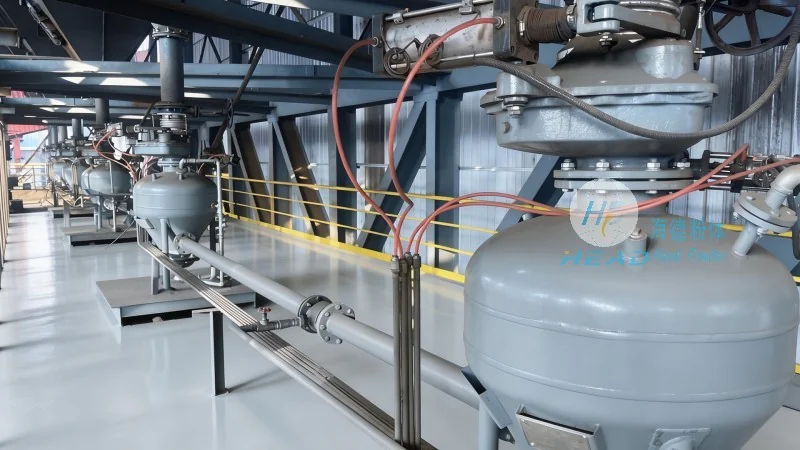
Proper installation and regular maintenance are vital for the long-term performance and reliability of a pneumatic conveying system for plaster powder. The system's layout should be designed to minimize pressure losses and ensure efficient material transport. This includes proper sizing of the conveying line, elbows, and other components to maintain consistent air velocity and prevent particle deposition. Regular maintenance, such as cleaning filters, checking for leaks, and inspecting components for wear, is necessary to prevent system downtime and maintain optimal performance. Shandong HeadPowder Engineering Co., Ltd. emphasizes the importance of regular maintenance schedules and provides comprehensive support to ensure that the system operates at peak efficiency throughout its service life.
Case Studies and Real-World Applications
Real-world applications of pneumatic conveying systems for plaster powder provide valuable insights into their effectiveness. For example, a plaster manufacturing plant in China implemented a pressure pneumatic conveying system to transport fine plaster powder from storage silos to production lines. The system, designed by Shandong HeadPowder Engineering Co., Ltd., successfully handled high volumes of material over long distances, reducing manual handling and improving overall operational efficiency. Another case involved a construction materials company that used a vacuum system to collect plaster powder from multiple collection points and transport it to a central processing facility. The system's flexibility allowed for easy integration into the existing plant layout, minimizing disruption to production. These examples highlight the adaptability and reliability of pneumatic conveying systems in handling plaster powder, making them a preferred choice for many industrial applications.
Conclusion: Choosing the Right System for Your Plaster Powder Handling Needs
Choosing the right pneumatic conveying system for your plaster powder handling process requires careful consideration of several factors, including material characteristics, system capacity, and operational requirements. By evaluating the key aspects discussed in this article and consulting with industry experts like Shandong HeadPowder Engineering Co., Ltd., you can select a system that ensures efficient, reliable, and cost-effective material transport. Whether you opt for a pressure or vacuum system, proper equipment selection, installation, and maintenance are critical to achieving optimal performance and maintaining product quality. With the right system in place, your plaster powder handling operations can achieve higher efficiency, reduced downtime, and improved overall productivity.

 Shandong Headpowder Engineering Co., Ltd.
 156-6277-7102(Quản lý Trương)
  0531-83386006
  Thành phố Tế Nam, Tỉnh Sơn Đông, Trung Quốc
Điện thoại
WeChatTư vấn
Lên đầu