Với hơn 10 năm kinh nghiệm về vận chuyển khí nén, Headpowder Sơn Đông cung cấp hệ thống, thiết bị và quạt gió toàn chuỗi, đảm nhận các dự án kỹ thuật bột trọn gói trên toàn quốc.
When it comes to managing powder handling processes in industrial applications, selecting the appropriate pneumatic conveying system is crucial for efficiency, safety, and cost-effectiveness. The right system can significantly improve material flow, reduce downtime, and enhance overall operational performance. This guide will walk you through key considerations and factors to evaluate when choosing a pneumatic conveying system tailored to your specific powder handling needs.
Key Factors to Consider in Pneumatic Conveying System Selection
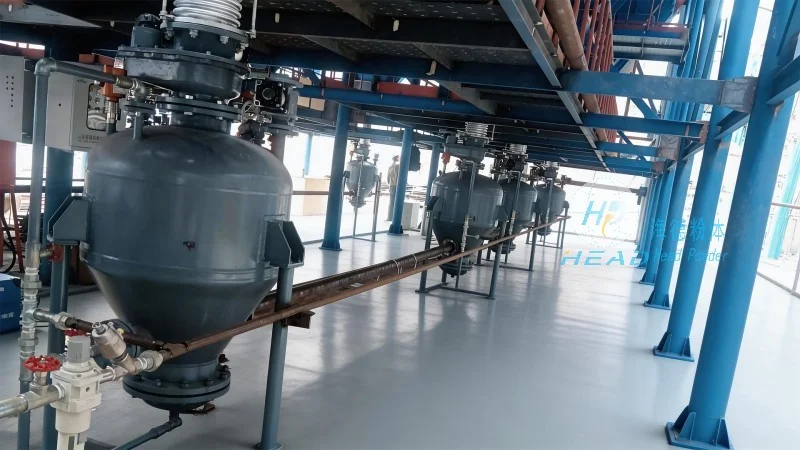
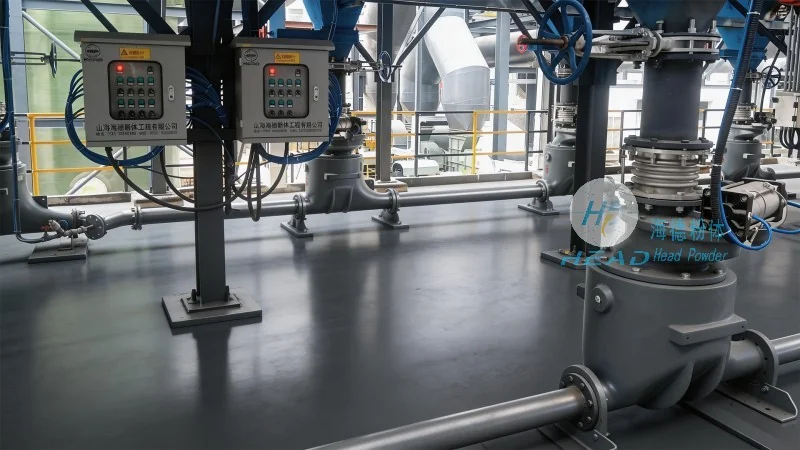
Before diving into system types, it's essential to assess several critical factors that will influence your decision. The first step is understanding the characteristics of the powder you need to handle. Powder properties such as particle size, density, moisture content, and flowability directly impact the choice of conveying method. For instance, fine powders with high moisture content may require specialized equipment to prevent caking or blockages. Additionally, the distance and elevation changes between the source and destination of the powder are important considerations. Longer distances or significant vertical lifts may necessitate more powerful systems or different design configurations.
Types of Pneumatic Conveying Systems
There are primarily two types of pneumatic conveying systems: positive pressure (or pressure) systems and negative pressure (or vacuum) systems. Positive pressure systems use compressed air to push the powder through the pipeline, while negative pressure systems use suction to draw the powder into the system. Each type has its advantages and is suitable for different applications. Positive pressure systems are generally more suitable for long-distance or high-capacity conveying, as they can maintain consistent pressure and flow. They are also less prone to dust leakage compared to negative pressure systems. Negative pressure systems, on the other hand, are ideal for applications where dust containment is a priority, as they draw air and powder into the system, preventing dust from escaping. The choice between these systems depends on the specific requirements of your powder handling process, including the need for dust control, material handling capacity, and operational environment.
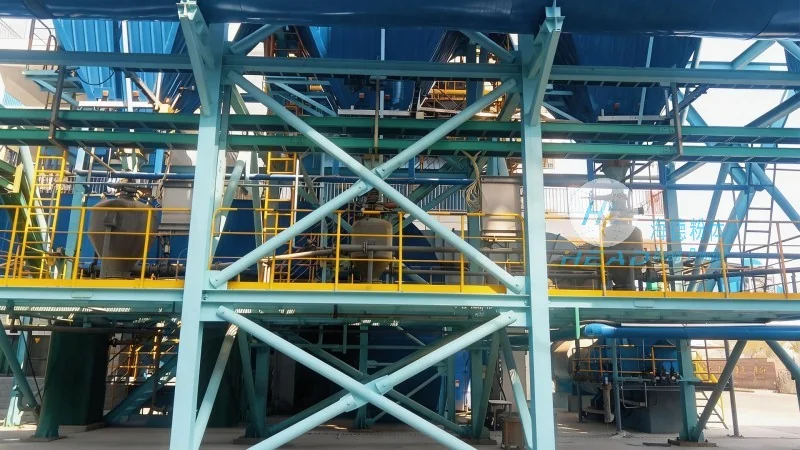
Material Handling Capacity and System Design
Another critical factor is the material handling capacity required for your process. The capacity of a pneumatic conveying system is determined by the system's pressure, flow rate, and the characteristics of the powder being conveyed. For high-capacity applications, such as bulk material transport in manufacturing plants, positive pressure systems with large-diameter pipelines and high-pressure compressors are often used. These systems can handle large volumes of powder efficiently and maintain consistent flow rates. In contrast, for smaller-scale applications or those involving more delicate powders, smaller systems with lower pressure may be sufficient. The design of the system, including the type of nozzles, valves, and filters, also plays a role in determining the overall capacity and efficiency. Properly sized components ensure that the system operates within its optimal range, preventing issues such as pressure drops or material buildup.
Dust Control and Environmental Considerations
Dust control is a significant concern in powder handling operations, as airborne dust can pose health risks and environmental hazards. The choice of pneumatic conveying system directly impacts dust containment. Positive pressure systems are generally more effective at containing dust because they push the powder through the system, minimizing the risk of dust escaping from the pipeline. However, they may still require additional filtration and dust collection systems to ensure compliance with environmental regulations. Negative pressure systems, while drawing air and powder into the system, can be more challenging to manage in terms of dust control, as they may require more robust filtration and exhaust systems. The design of the system, including the use of sealed components and proper ventilation, is essential to maintain a safe and clean working environment. For applications in food, pharmaceutical, or sensitive industrial environments, dust control is paramount, and selecting a system that meets these requirements is essential.
Maintenance and Operational Costs
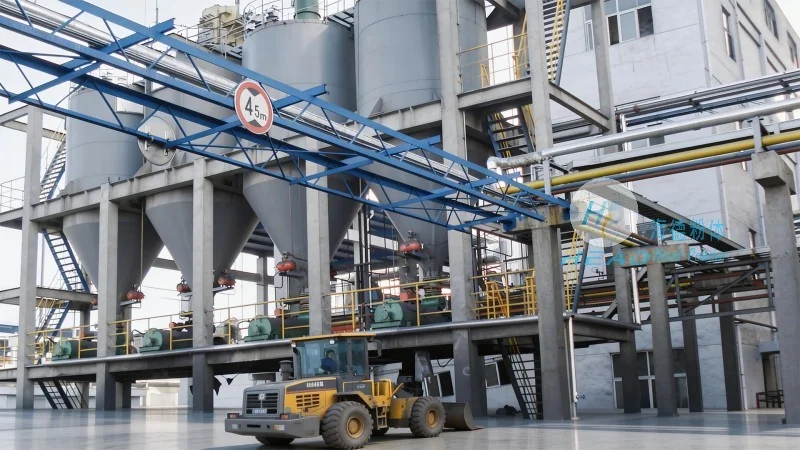
Maintenance and operational costs are important considerations when evaluating pneumatic conveying systems. Different systems have varying maintenance requirements and costs. Positive pressure systems, for example, may require regular maintenance of the compressor and pipeline components to ensure optimal performance. The cost of compressed air and energy consumption also needs to be considered, as these systems can be energy-intensive. Negative pressure systems may have lower energy costs but may require more frequent maintenance of the vacuum pump and filtration systems. The overall cost of ownership, including initial investment, operational costs, and maintenance expenses, should be evaluated to ensure the system is cost-effective in the long run. A well-designed system with proper maintenance planning can reduce downtime and extend the lifespan of the equipment, leading to lower long-term costs.

 Shandong Headpowder Engineering Co., Ltd.
 156-6277-7102(Quản lý Trương)
  0531-83386006
  Thành phố Tế Nam, Tỉnh Sơn Đông, Trung Quốc
Điện thoại
WeChatTư vấn
Lên đầu