Với hơn 10 năm kinh nghiệm về vận chuyển khí nén, Headpowder Sơn Đông cung cấp hệ thống, thiết bị và quạt gió toàn chuỗi, đảm nhận các dự án kỹ thuật bột trọn gói trên toàn quốc.
For industrial operations involving bauxite handling, the design of an efficient and reliable pneumatic conveying system is crucial. This article provides a comprehensive guide on how to develop a well-structured plan for such systems, focusing on key considerations and practical steps to ensure optimal performance and safety. The information is presented by Shandong HeadPowder Engineering Co., Ltd., a leading provider in the field, with a focus on delivering tailored solutions for bauxite transportation needs.
Understanding the Core Requirements for Bauxite Pneumatic Conveying
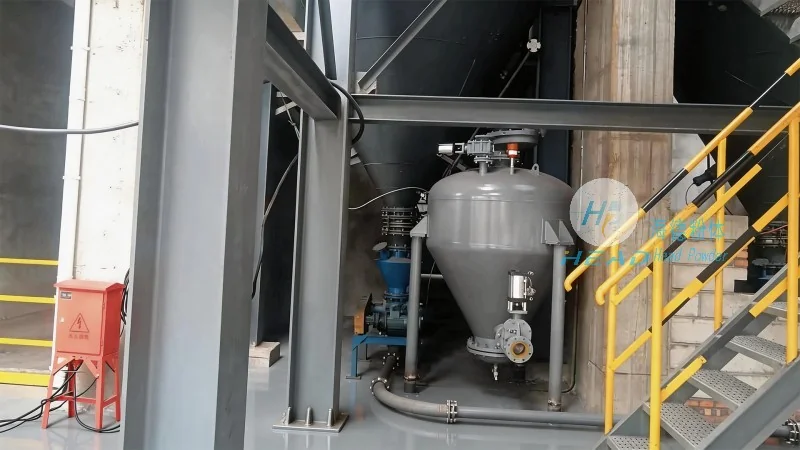
Before diving into the design process, it is essential to understand the specific characteristics of bauxite and the operational demands of the plant. Bauxite, a primary ore for aluminum production, often presents unique challenges in terms of particle size, moisture content, and flowability. These factors directly impact the selection of conveying equipment and system configuration. For instance, coarser bauxite particles may require higher air velocities or larger pipe diameters to prevent blockages, while higher moisture levels can affect the air-particle mixture's density and friction properties. By thoroughly analyzing these parameters, engineers can tailor the system to meet the exact requirements of the bauxite handling process.
System Layout and Component Selection
The first step in designing a bauxite pneumatic conveying system is to determine the overall layout, which includes the source of material, the conveying path, and the discharge point. The layout should minimize the number of bends and changes in direction to reduce pressure losses and maintain consistent flow. Key components such as the material feeder, air compressor, filter, and control valves are selected based on the material characteristics and the desired conveying distance. The material feeder, often a rotary valve or a screw feeder, ensures a steady supply of bauxite into the system, preventing surges that could lead to system instability. The air compressor, typically a positive displacement or centrifugal type, provides the necessary air pressure to move the material through the pipeline. The filter is critical for capturing fine particles and preventing contamination of the air system, while control valves regulate the air flow and pressure to maintain optimal conveying conditions.
Pipeline Design and Sizing
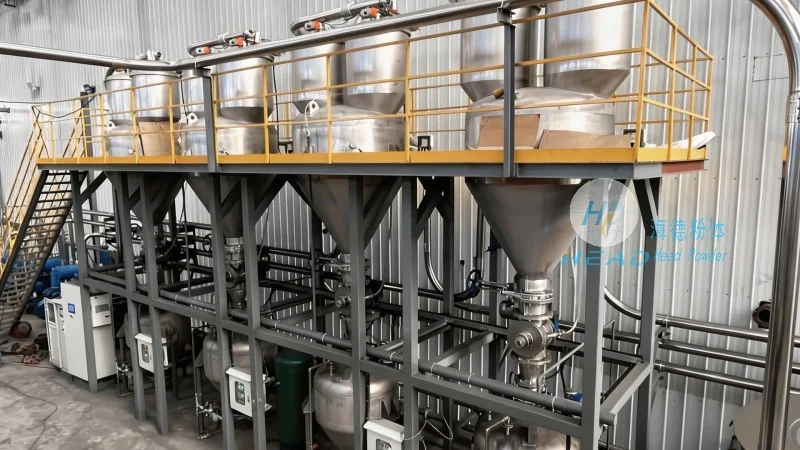
Pipeline design is a critical aspect of the system, as it directly affects the pressure drop and energy consumption. The diameter of the pipeline is determined based on the required air velocity and the particle size distribution of the bauxite. For most bauxite applications, air velocities range from 20 to 30 meters per second, depending on the particle size and moisture content. Larger particles may require higher velocities to prevent settling, while smaller particles can be conveyed at lower velocities. The pipeline material is usually stainless steel or high-grade carbon steel, chosen for its durability and resistance to corrosion from the bauxite and moisture. Additionally, the pipeline should be designed with appropriate supports and joints to accommodate thermal expansion and prevent sagging, which could cause blockages or damage to the system.
Pressure Control and Energy Efficiency
Effective pressure control is essential to maintain the stability of the pneumatic conveying system and optimize energy usage. The system typically operates under positive pressure, where the air pressure is higher than the ambient pressure, ensuring that the material is continuously pushed through the pipeline. Pressure sensors and control valves are used to monitor and adjust the air pressure as needed, preventing overpressurization or underpressurization that could lead to system failure or inefficiency. Energy efficiency is another key consideration, as pneumatic conveying systems can be energy-intensive. Strategies to improve efficiency include using variable frequency drives (VFDs) for the air compressor to adjust the air flow based on the material feed rate, and optimizing the pipeline layout to minimize pressure losses. By implementing these measures, the system can operate more efficiently while reducing operational costs.
Safety and Maintenance Considerations
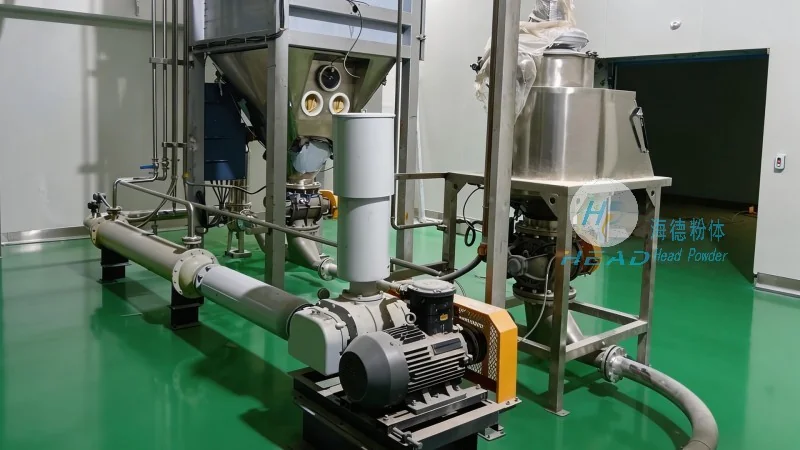
Safety is a top priority in the design and operation of bauxite pneumatic conveying systems. Proper safety measures include installing pressure relief valves to prevent overpressurization, using explosion-proof components in areas where there is a risk of dust accumulation, and implementing regular maintenance schedules to ensure the system operates reliably. Maintenance is crucial to prevent downtime and extend the life of the equipment. Regular cleaning of the filter, inspection of the pipeline for corrosion or damage, and replacement of worn components are essential tasks. Additionally, training operators on the proper use and maintenance of the system can help prevent accidents and ensure smooth operation.
Conclusion
Designing a reasonable bauxite pneumatic conveying system requires a thorough understanding of the material properties, operational requirements, and system components. By following a systematic approach that includes proper layout, component selection, pipeline design, and pressure control, engineers can develop a system that is efficient, reliable, and safe. Shandong HeadPowder Engineering Co., Ltd. specializes in providing customized solutions for bauxite handling, with a focus on delivering high-quality systems that meet the specific needs of industrial clients. Whether for new installations or system upgrades, their expertise ensures that the bauxite pneumatic conveying system operates at peak performance, contributing to the overall efficiency of the aluminum production process.

 Shandong Headpowder Engineering Co., Ltd.
 156-6277-7102(Quản lý Trương)
  0531-83386006
  Thành phố Tế Nam, Tỉnh Sơn Đông, Trung Quốc
Điện thoại
WeChatTư vấn
Lên đầu