Với hơn 10 năm kinh nghiệm về vận chuyển khí nén, Headpowder Sơn Đông cung cấp hệ thống, thiết bị và quạt gió toàn chuỗi, đảm nhận các dự án kỹ thuật bột trọn gói trên toàn quốc.
Urea granules are widely used in agricultural and industrial applications, and efficient conveying methods are crucial for their handling and distribution. This article provides an overview of common urea granule conveying methods, with a focus on the advantages and applications of pneumatic conveying systems.
Introduction to Urea Granule Conveying Methods
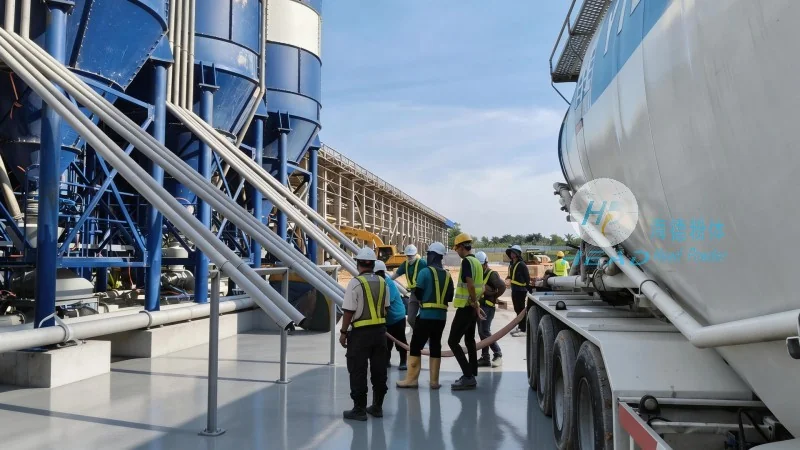
Urea granule conveying involves the movement of solid urea particles from one location to another, often over distances and through various environments. The choice of conveying method depends on factors such as material properties, distance, cost, and operational requirements. Common methods include gravity conveyors, mechanical conveyors, and pneumatic conveying systems. Each method has its own set of advantages and limitations, making the selection process critical for optimizing material handling efficiency.
Gravity Conveying Systems for Urea Granules
Gravity conveyors utilize the natural force of gravity to move urea granules from a higher elevation to a lower one. These systems typically consist of inclined chutes or troughs that allow the material to flow downward without the need for external power. While simple and cost-effective for short distances and gentle slopes, gravity conveyors are limited by the need for a suitable topography and may not be suitable for vertical or horizontal transport over longer distances. The smooth flow of urea granules in gravity systems is dependent on the material's angle of repose and the design of the chute, ensuring minimal friction and blockage.
Mechanical Conveying Systems for Urea Granules
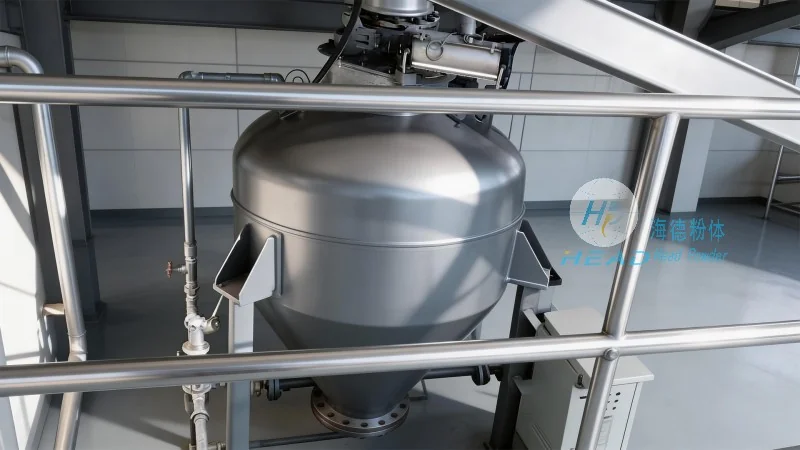
Mechanical conveyors, such as belt conveyors, screw conveyors, and bucket elevators, use mechanical components to transport urea granules. Belt conveyors are widely used for horizontal and slightly inclined transport, providing reliable and continuous movement of the material. Screw conveyors are effective for vertical or inclined transport, using a rotating screw to push the granules forward. Bucket elevators are ideal for vertical transport, lifting the material from lower to higher levels. These mechanical systems offer high capacity and are suitable for a variety of distances and environments. However, they require regular maintenance and may experience wear and tear due to the abrasive nature of urea granules.
Pneumatic Conveying Systems for Urea Granules
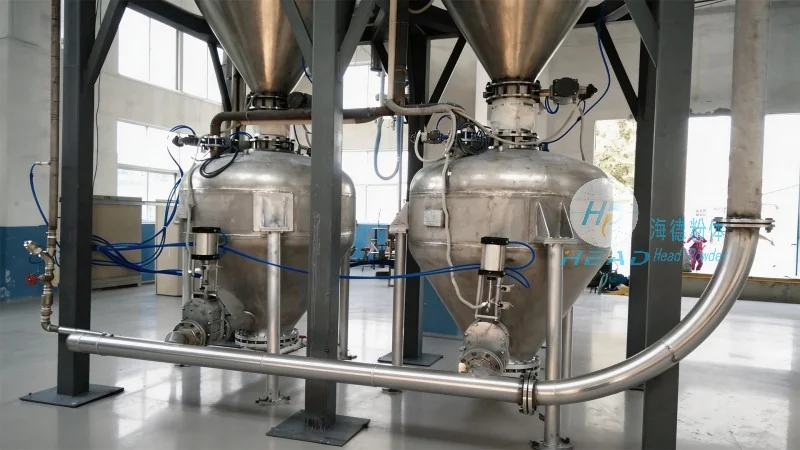
Pneumatic conveying systems use air or other gases to transport urea granules through pipelines. These systems are highly flexible and can handle both horizontal and vertical transport, making them suitable for complex layouts and long distances. There are two main types of pneumatic conveying: dilute-phase and dense-phase. Dilute-phase systems use high-velocity air to suspend the granules in the air stream, allowing for rapid and efficient transport. Dense-phase systems use lower air velocities and higher material concentrations, providing gentler handling and reduced product degradation. The choice between dilute and dense-phase depends on the specific requirements of the application, such as the need for low product damage or high capacity.
Advantages of Pneumatic Conveying for Urea Granules
Pneumatic conveying systems offer several advantages for urea granule handling. Firstly, they provide a closed system, which helps to prevent dust emissions and contamination, ensuring product quality and compliance with environmental regulations. Secondly, these systems are highly flexible, allowing for easy integration into existing facilities and the ability to change transport routes as needed. Thirdly, pneumatic conveyors can handle both small and large quantities of material, making them suitable for various production scales. Additionally, they offer low maintenance requirements compared to mechanical systems, as there are fewer moving parts and less wear from abrasive materials.
Applications of Urea Granule Pneumatic Conveying
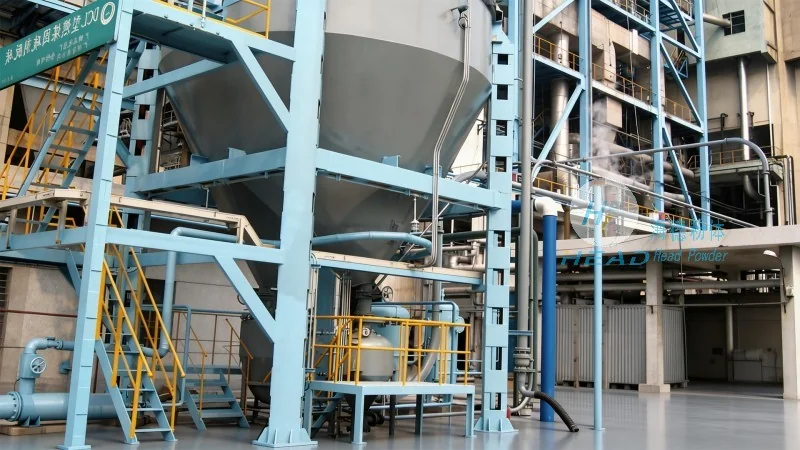
The use of pneumatic conveying for urea granules is widespread in the agricultural and industrial sectors. In agricultural applications, these systems are used to transport urea from storage silos to fertilization equipment, ensuring efficient and timely distribution to fields. In industrial settings, pneumatic conveyors are employed in manufacturing processes, such as the production of urea-based products, where the material needs to be moved between processing stages. The ability to handle large volumes and maintain product integrity makes pneumatic conveying a preferred choice for many industries.
Considerations for Selecting a Conveying System
When selecting a urea granule conveying system, several factors must be considered to ensure optimal performance and cost-effectiveness. The first consideration is the distance and layout of the transport route, as different systems are better suited for short or long distances. The second factor is the material properties, including the size, shape, and abrasiveness of the urea granules, which can affect the choice of equipment and system design. The third consideration is the required capacity and throughput, as the system must be able to handle the expected volume of material. Additionally, the environmental and safety requirements, such as dust control and product purity, should be taken into account when choosing a conveying method.
Conclusion
Urea granule conveying methods play a critical role in the efficient handling and distribution of this essential material. While gravity and mechanical systems have their uses, pneumatic conveying systems offer significant advantages in terms of flexibility, efficiency, and product protection. By understanding the different types of conveying systems and their applications, manufacturers and operators can select the most appropriate method to meet their specific needs. The choice of system should be based on a thorough analysis of the material properties, transport requirements, and operational constraints to ensure optimal performance and cost-effectiveness.

 Shandong Headpowder Engineering Co., Ltd.
 156-6277-7102(Quản lý Trương)
  0531-83386006
  Thành phố Tế Nam, Tỉnh Sơn Đông, Trung Quốc
Điện thoại
WeChatTư vấn
Lên đầu