Với hơn 10 năm kinh nghiệm về vận chuyển khí nén, Headpowder Sơn Đông cung cấp hệ thống, thiết bị và quạt gió toàn chuỗi, đảm nhận các dự án kỹ thuật bột trọn gói trên toàn quốc.
Gypsum powder, a widely used material in construction and industrial applications, requires efficient and reliable conveying systems to ensure smooth operation in processing facilities. The choice of conveying method significantly impacts productivity, material quality, and operational costs. This article explores common gypsum powder conveying methods, with a focus on the advantages and applications of pneumatic conveying systems.
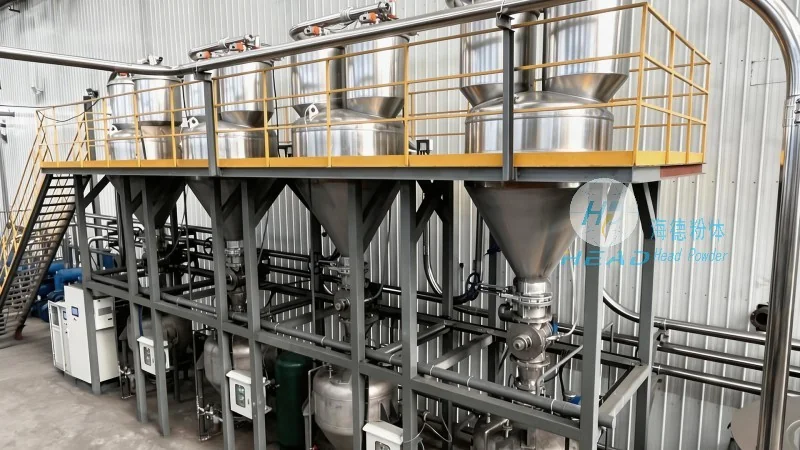
Overview of Pneumatic Conveying for Gypsum Powder
Pneumatic conveying, also known as air-based conveying, is a popular method for transporting gypsum powder due to its ability to handle fine powders without the need for mechanical components that might cause material degradation. The system operates by using compressed air to move the powder through a pipeline, offering several benefits over traditional methods like belt conveyors or screw conveyors.
Key advantages of pneumatic conveying for gypsum powder include minimal product contamination, reduced risk of dust explosions, and the ability to transport materials over long distances with minimal maintenance. This method is particularly suitable for applications where hygiene and product purity are critical, such as in food processing or pharmaceutical industries, though it is also widely used in the construction sector for transporting gypsum for wallboard production.
HeadPowder's Pneumatic Conveying Solutions
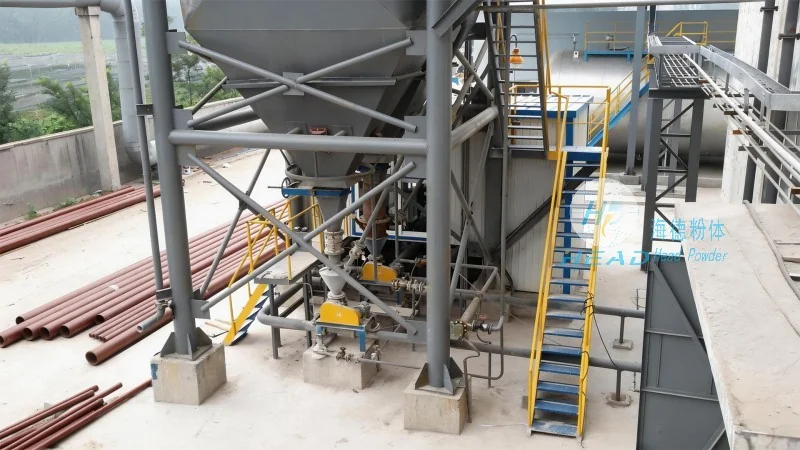
Shandong HeadPowder Engineering Co., Ltd., a leading provider of specialized conveying equipment, offers advanced pneumatic conveying systems tailored to the unique needs of gypsum powder handling. The company's expertise lies in designing and manufacturing systems that ensure efficient, safe, and cost-effective transport of gypsum powder from storage to processing or packaging areas.
HeadPowder's solutions include both positive and negative pressure conveying systems, allowing flexibility in application based on the specific requirements of the facility. The company's engineers work closely with clients to assess site conditions, material characteristics, and operational goals to develop customized conveying systems that optimize performance and reduce downtime.
Key Features of HeadPowder's Gypsum Powder Conveying Systems
HeadPowder's pneumatic conveying systems for gypsum powder are designed with several key features to enhance efficiency and reliability. These include:
High-efficiency airlocks and rotary valves to prevent material backflow and ensure consistent flow rates.
Specialized hopper designs that minimize material bridging and ensure smooth material discharge.
Advanced filtration systems to maintain air quality and comply with environmental regulations.
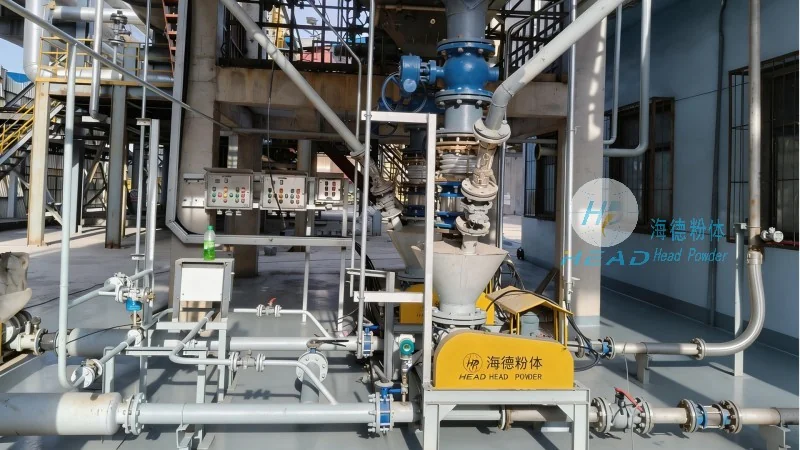
Modular construction that allows for easy installation and maintenance, reducing overall operational costs.
Applications and Benefits in Gypsum Processing
The use of pneumatic conveying in gypsum processing facilities offers numerous benefits. For instance, in the production of gypsum board, efficient material transport ensures that raw gypsum powder is delivered to the mixing and molding processes without delays, which directly impacts production throughput. Additionally, the hygienic nature of pneumatic systems is crucial in food-grade gypsum applications, where product purity is paramount.
From small-scale operations to large industrial plants, HeadPowder's systems are adaptable to various production volumes and space constraints. The company's commitment to quality and customer satisfaction is reflected in the durability and performance of their equipment, which has been proven in numerous installations across China and beyond.

 Shandong Headpowder Engineering Co., Ltd.
 156-6277-7102(Quản lý Trương)
  0531-83386006
  Thành phố Tế Nam, Tỉnh Sơn Đông, Trung Quốc
Điện thoại
WeChatTư vấn
Lên đầu