Với hơn 10 năm kinh nghiệm về vận chuyển khí nén, Headpowder Sơn Đông cung cấp hệ thống, thiết bị và quạt gió toàn chuỗi, đảm nhận các dự án kỹ thuật bột trọn gói trên toàn quốc.
When it comes to transporting sodium sulphate, commonly known as Glauber's salt, the choice of conveying method plays a crucial role in ensuring efficiency, safety, and cost-effectiveness. As a key industrial chemical, Glauber's salt is widely used in various industries such as glass manufacturing, detergents, and paper production. The selection of an appropriate conveying system depends on factors like the material's properties, the distance to be covered, and the required throughput. In this article, we will explore the common methods used for Glauber's salt transportation, with a focus on pneumatic conveying systems, which have become increasingly popular due to their flexibility and effectiveness.
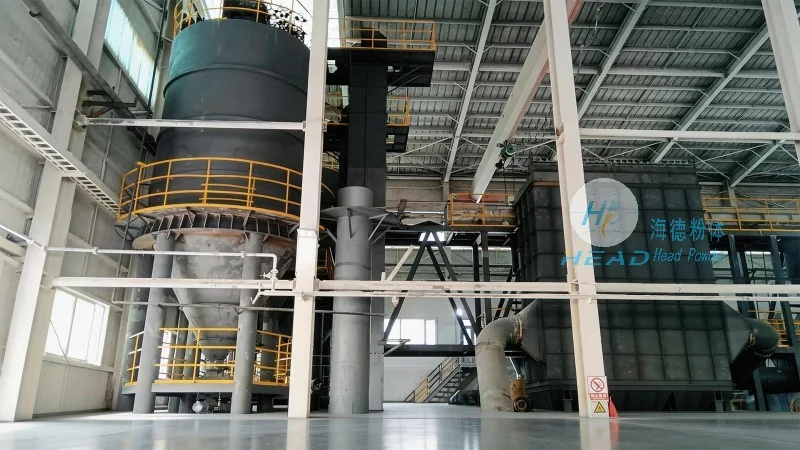
Understanding Sodium Sulphate and Its Conveying Requirements
Sodium sulphate, or Glauber's salt, is a white crystalline solid with a high bulk density and relatively low moisture content. Its physical properties, including its granular or powdery form, influence the choice of conveying technology. Unlike bulk materials with high moisture or abrasive characteristics, Glauber's salt requires systems that can handle its flowability and prevent clogging or degradation. The primary goal of any conveying system is to move the material from the source to the destination without loss, contamination, or damage. This involves considerations such as the material's particle size distribution, flow characteristics, and potential for dust generation.
Common Conveying Methods for Glauber's Salt
Several methods are employed for the transportation of Glauber's salt, each with its own advantages and limitations. The most common approaches include mechanical conveying systems like belt conveyors, screw conveyors, and bucket elevators, as well as pneumatic conveying systems. Mechanical systems are generally suitable for short distances and moderate throughput, while pneumatic systems excel in long-distance and high-volume applications. Below, we will delve into the characteristics of each method and how they apply to Glauber's salt handling.
Mechanical Conveying Systems: Traditional Approaches
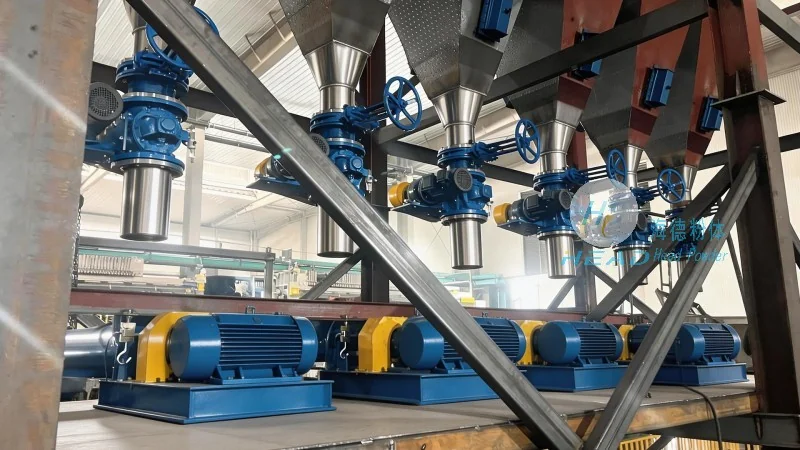
Traditional mechanical conveying systems have been used for decades in the handling of bulk materials, including Glauber's salt. These systems rely on mechanical components to move the material through a pipeline or conveyor. Belt conveyors, for instance, use a continuous belt to transport the material horizontally or at a slight incline. They are ideal for transporting Glauber's salt over short to medium distances, especially in applications where the material needs to be moved at a steady pace. Screw conveyors, also known as augers, use a rotating screw to push the material forward. This method is particularly effective for handling granular materials like Glauber's salt, as it can maintain a consistent flow and prevent material segregation. However, mechanical systems have limitations when it comes to long-distance transport, as they require multiple components and may suffer from wear and tear over time.
Pneumatic Conveying Systems: The Preferred Solution for Glauber's Salt
Pneumatic conveying systems have emerged as the preferred method for transporting Glauber's salt, especially in industrial settings where efficiency and flexibility are paramount. These systems use air or other gases to move the material through a pipeline, combining the material with the air stream and transporting it to the destination. There are two main types of pneumatic conveying: pressure and vacuum systems. Pressure systems use compressed air to push the material through the pipeline, while vacuum systems use a vacuum to draw the material from the source. For Glauber's salt, pressure systems are often preferred due to their ability to handle higher material loads and longer distances without significant pressure loss.
The core components of a pneumatic conveying system for Glauber's salt include a material feeder, a conveying line, a receiver, and a dust collector. The material feeder, typically a rotary valve or a screw feeder, introduces the Glauber's salt into the conveying line. The conveying line is usually made of stainless steel or other corrosion-resistant materials to prevent the material from adhering to the walls and causing blockages. The receiver is where the material is deposited, and it may include a hopper or a silo to store the material before further processing. The dust collector is essential to capture any airborne particles and ensure compliance with environmental regulations.
Advantages of Pneumatic Conveying for Glauber's Salt
Pneumatic conveying systems offer several advantages over mechanical alternatives when it comes to Glauber's salt transportation. First, they provide a closed system, which helps prevent dust contamination and environmental pollution. This is particularly important for Glauber's salt, as it can be a fine powder that easily disperses into the air. Second, pneumatic systems are highly flexible, allowing for changes in the conveying route or distance without major modifications. This adaptability is crucial in industrial settings where production processes may change over time. Third, these systems can handle high throughput and long distances efficiently, making them suitable for large-scale operations. Additionally, pneumatic conveying reduces the risk of material degradation and loss, as the material is not exposed to external factors like moisture or temperature fluctuations.
Key Considerations for Implementing Pneumatic Conveying
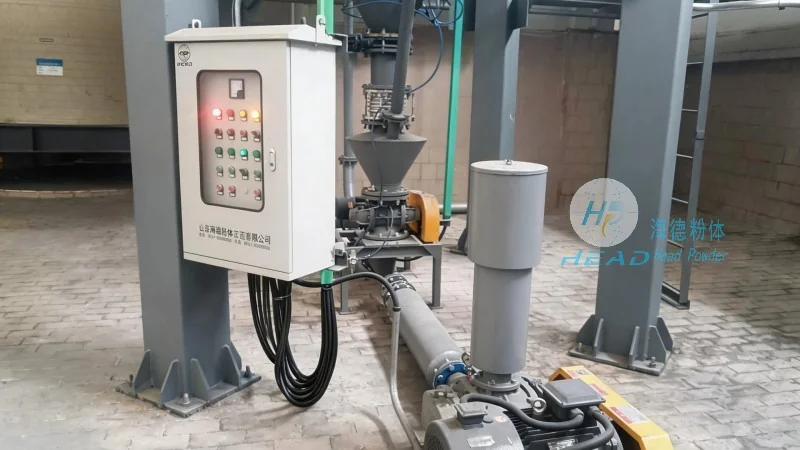
While pneumatic conveying offers numerous benefits, there are several factors to consider when implementing such a system for Glauber's salt. The first is the material's properties, as mentioned earlier. The particle size, density, and flowability of Glauber's salt will determine the appropriate conveying velocity and system design. For example, fine powders may require higher air velocities to prevent clogging, while larger granules can be conveyed at lower velocities. The second consideration is the distance and elevation change. Longer distances or significant vertical lifts will require more powerful air compressors and may need intermediate receivers to maintain pressure. The third factor is the system's maintenance and operational costs. Pneumatic systems involve moving parts like air compressors and valves, which require regular maintenance to ensure optimal performance. Additionally, the cost of compressed air and energy consumption should be taken into account, as they contribute to the overall operational expenses.
Case Study: Pneumatic Conveying in Glass Manufacturing
One of the most common applications of Glauber's salt is in the glass manufacturing industry. In this sector, Glauber's salt is used as a flux to lower the melting point of silica, making it easier to form glass products. The transportation of Glauber's salt from storage silos to the glass furnace is a critical step in the production process. A pneumatic conveying system is often used to transport the material from the silo to the furnace, ensuring a continuous and reliable supply. The system typically includes a rotary valve to feed the Glauber's salt into the conveying line, a stainless steel pipeline to transport the material, and a receiver at the furnace location. This setup allows for precise control over the material flow rate, which is essential for maintaining the proper flux levels in the glass melt. The closed system also prevents dust from entering the furnace, which could affect the quality of the glass and cause equipment damage.
Conclusion: Choosing the Right Conveying Method for Glauber's Salt
In conclusion, the choice of conveying method for Glauber's salt depends on various factors, including the application, distance, and required throughput. While mechanical systems have their place in short-distance transport, pneumatic conveying systems have become the preferred solution for most industrial applications due to their efficiency, flexibility, and ability to handle Glauber's salt's properties effectively. As a leading provider of engineering solutions for bulk material handling, Shandong HeadPowder Engineering Co., Ltd. specializes in designing and implementing pneumatic conveying systems tailored to the specific needs of Glauber's salt transportation. With a focus on quality, reliability, and customer satisfaction, HeadPowder offers comprehensive solutions that enhance the efficiency and safety of Glauber's salt handling processes. Whether for short or long-distance transport, their expertise ensures that Glauber's salt is moved efficiently and safely, meeting the demands of modern industrial operations.

 Shandong Headpowder Engineering Co., Ltd.
 156-6277-7102(Quản lý Trương)
  0531-83386006
  Thành phố Tế Nam, Tỉnh Sơn Đông, Trung Quốc
Điện thoại
WeChatTư vấn
Lên đầu