Với hơn 10 năm kinh nghiệm về vận chuyển khí nén, Headpowder Sơn Đông cung cấp hệ thống, thiết bị và quạt gió toàn chuỗi, đảm nhận các dự án kỹ thuật bột trọn gói trên toàn quốc.
For industrial operations that rely on soda ash (sodium carbonate), the choice of transportation method is critical to maintaining efficiency, safety, and product integrity. Soda ash, a versatile chemical used in manufacturing, food processing, and water treatment, requires reliable and efficient delivery systems to ensure smooth production processes. This article explores common soda ash transportation methods, with a particular focus on the advantages and applications of soda ash pneumatic conveying.
Understanding Soda Ash Transportation Needs
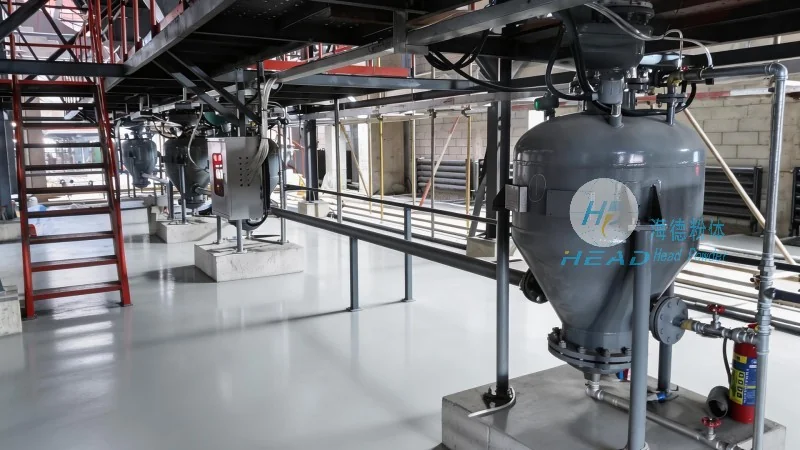
Soda ash, with its fine powder or granular form, presents unique challenges during transportation. Traditional methods such as manual handling or simple conveyor belts may not be sufficient for large-scale operations, as they can lead to dust generation, material loss, and operational inefficiencies. Therefore, industrial facilities often opt for specialized systems designed to handle the material's properties while minimizing risks. The selection of a transportation method depends on factors like the material's bulk density, flowability, and the distance it needs to be moved. In many cases, pneumatic conveying has emerged as a preferred solution due to its ability to handle fine powders and provide a closed system for dust control.
Common Soda Ash Transportation Methods
Several methods are commonly used to transport soda ash, each with its own set of advantages and limitations. The most traditional approach is gravity-based systems, where the material is allowed to flow down chutes or inclined planes under the force of gravity. While simple and low-cost, gravity systems are limited by the need for a suitable slope and are not suitable for vertical or long-distance transport. Mechanical conveying, including belt conveyors and screw conveyors, is another widely used method. These systems are effective for moving larger quantities of material over moderate distances but may generate dust and require regular maintenance. For applications requiring higher precision and control, pneumatic conveying systems offer superior performance.
Soda Ash Pneumatic Conveying: A Detailed Overview
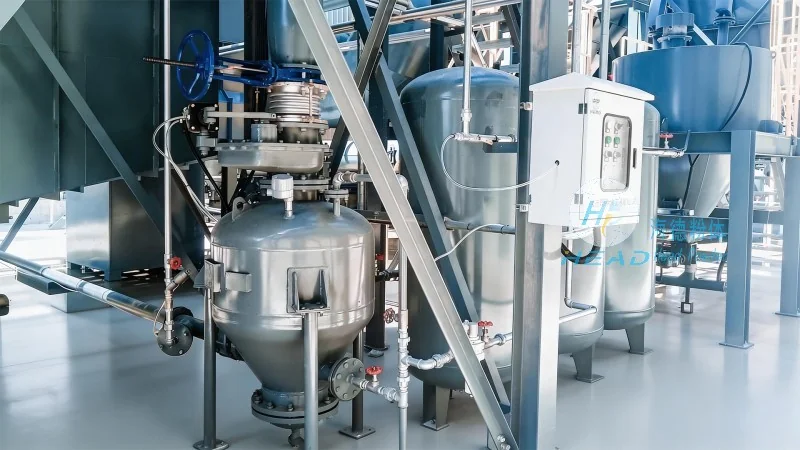
Soda ash pneumatic conveying utilizes air or other gases to transport the material through a pipeline system. This method is particularly effective for fine powders like soda ash, as it can handle particles with diameters as small as 10 microns without clogging. The system typically consists of a blower or compressor, a hopper to store the material, and a pipeline network with valves and filters. There are two main types of pneumatic conveying: pressure and vacuum systems. Pressure systems use compressed air to push the material forward, while vacuum systems create a negative pressure to draw the material into the pipeline. Both systems offer advantages in terms of flexibility and scalability, making them suitable for various industrial applications.
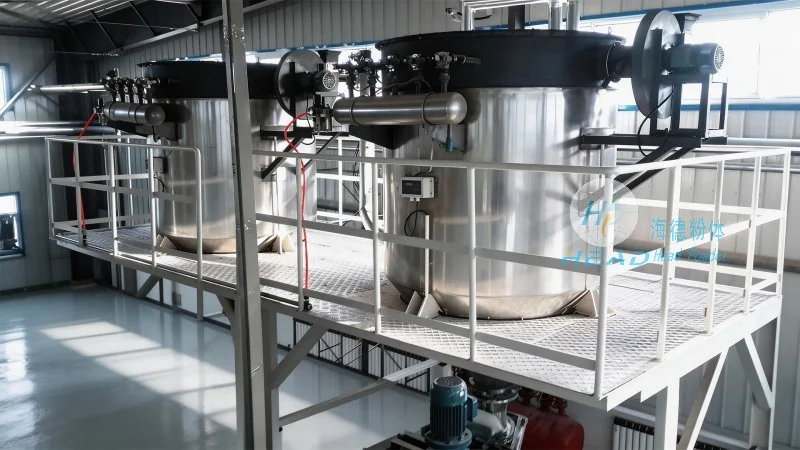
One of the key benefits of soda ash pneumatic conveying is its ability to provide a closed system, which significantly reduces dust emissions and improves workplace safety. This is crucial in industries where air quality regulations are strict. Additionally, pneumatic conveying systems can handle vertical and horizontal transport simultaneously, allowing for complex layouts that optimize space utilization. The technology also offers better control over material flow, reducing the risk of overloading or underloading in processing equipment. For large-scale soda ash producers, the efficiency gains from pneumatic conveying can lead to substantial cost savings over time.
Applications and Considerations for Soda Ash Pneumatic Conveying
Soda ash pneumatic conveying is widely used in various industries, including chemical manufacturing, food processing, and water treatment. In chemical plants, it is used to transport soda ash from storage silos to reactors or packaging lines. In food processing facilities, it ensures the safe and hygienic transfer of soda ash used as a food additive. The system's ability to handle fine powders makes it ideal for applications where product purity is paramount. When implementing a pneumatic conveying system, several factors must be considered. The material's properties, such as moisture content and flowability, need to be evaluated to ensure compatibility with the system. The pipeline design, including diameter and length, must be optimized to minimize pressure drop and energy consumption. Regular maintenance, including filter cleaning and blower inspection, is essential to maintain system efficiency and prevent downtime.
Conclusion: Choosing the Right Soda Ash Transportation Method
When selecting a soda ash transportation method, industrial facilities must balance efficiency, cost, and safety. While gravity and mechanical systems may be suitable for small-scale operations, pneumatic conveying, especially for soda ash, offers superior performance in terms of material handling, dust control, and system flexibility. The choice ultimately depends on the specific requirements of the operation, including the volume of material, distance to be transported, and environmental regulations. For companies seeking reliable and efficient soda ash transportation solutions, pneumatic conveying systems provide a robust and adaptable option. Shandong HeadPowder Engineering Co., Ltd., a leading provider of industrial engineering solutions based in China, specializes in designing and manufacturing customized pneumatic conveying systems tailored to the unique needs of soda ash processing facilities. With years of experience in the industry, the company ensures that its systems meet the highest standards of performance and safety, helping clients optimize their production processes and enhance operational efficiency.

 Shandong Headpowder Engineering Co., Ltd.
 156-6277-7102(Quản lý Trương)
  0531-83386006
  Thành phố Tế Nam, Tỉnh Sơn Đông, Trung Quốc
Điện thoại
WeChatTư vấn
Lên đầu