Với hơn 10 năm kinh nghiệm về vận chuyển khí nén, Headpowder Sơn Đông cung cấp hệ thống, thiết bị và quạt gió toàn chuỗi, đảm nhận các dự án kỹ thuật bột trọn gói trên toàn quốc.
When it comes to transporting sulfur pellets, selecting the right conveying method is crucial for efficiency, safety, and operational reliability. Sulfur pellets are widely used in various industrial applications, including chemical production, paper manufacturing, and energy generation. The choice of conveying system directly impacts the overall performance of the production line, affecting factors such as material handling speed, energy consumption, and equipment maintenance costs. In this article, we will explore the different conveying methods available for sulfur pellets and highlight the advantages of pneumatic conveying, a technology offered by Shandong HeadPowder Engineering Co., Ltd. (headpowder), a leading provider of specialized material handling solutions.
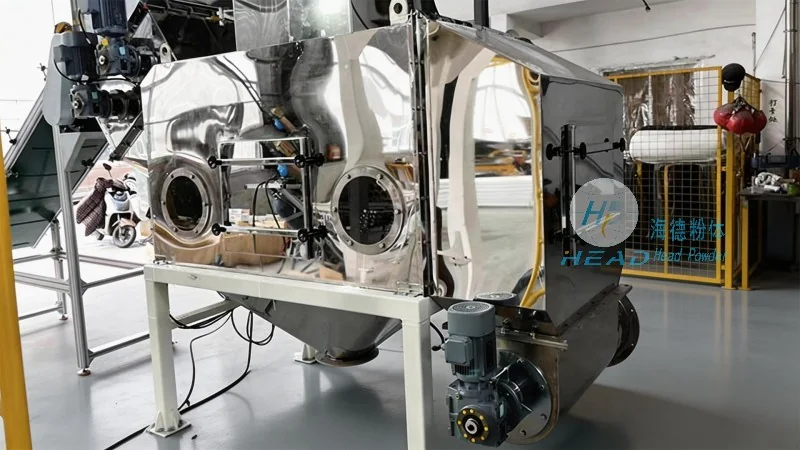
Different Conveying Methods for Sulfur Pellets
There are several conventional methods used for transporting sulfur pellets, each with its own set of advantages and limitations. One of the most common is gravity conveying, which relies on the natural flow of material down inclined chutes or hoppers. While simple and low-cost, gravity systems are limited by the need for a suitable slope and are not suitable for long distances or complex layouts. Mechanical conveying methods, such as belt conveyors or screw conveyors, are also widely used. These systems provide reliable transport over moderate distances but may face challenges with material buildup, wear and tear, and the need for regular maintenance. Another option is hydraulic conveying, which uses water or other liquids to move the material through pipes. However, this method is less common for sulfur pellets due to the potential for corrosion and the need for additional treatment processes.
The Advantages of Pneumatic Conveying for Sulfur Pellets
Pneumatic conveying, also known as air conveying, is a highly efficient and flexible method for transporting sulfur pellets. This technology uses compressed air to move material through a pipeline system, eliminating the need for mechanical components like belts or screws. The key advantages of pneumatic conveying for sulfur pellets include: enhanced safety, as the material is contained within a sealed system, reducing dust exposure and the risk of fire or explosion; improved hygiene, as the system is fully enclosed, preventing contamination from external sources; and greater flexibility in terms of layout and distance. Pneumatic conveying systems can transport sulfur pellets over long distances, even with complex routing, without the need for multiple transfer points or additional equipment. Additionally, these systems offer better control over material flow, allowing for precise dosing and regulation of the conveying rate. The use of compressed air also enables the integration of other processes, such as dust collection and material drying, within the conveying system, further enhancing overall efficiency.
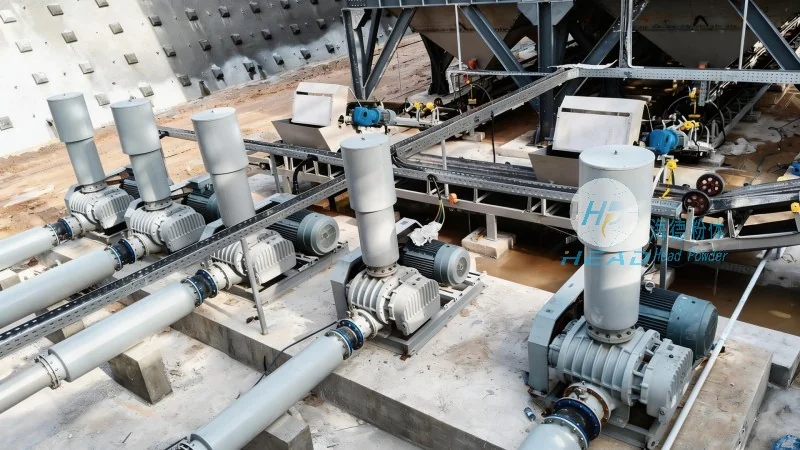
Features of Pneumatic Conveying Systems by headpowder
Shandong HeadPowder Engineering Co., Ltd. specializes in designing and manufacturing advanced pneumatic conveying systems tailored to the specific needs of sulfur pellet handling. Our systems are engineered to maximize efficiency while ensuring compliance with industry standards and safety regulations. Key features of our pneumatic conveying solutions include: high-precision control systems that allow for accurate material dosing and flow regulation; durable materials of construction, such as stainless steel and corrosion-resistant alloys, to withstand the chemical properties of sulfur pellets and ensure long-term durability; and integrated dust collection and filtration systems to maintain a clean and safe working environment. We also offer customizable solutions, allowing clients to adapt the system to their specific production requirements, whether for short-distance transport within a facility or long-distance transfer between sites. Our team of experts works closely with clients to assess their operational needs, providing tailored recommendations and support throughout the design, installation, and commissioning phases.
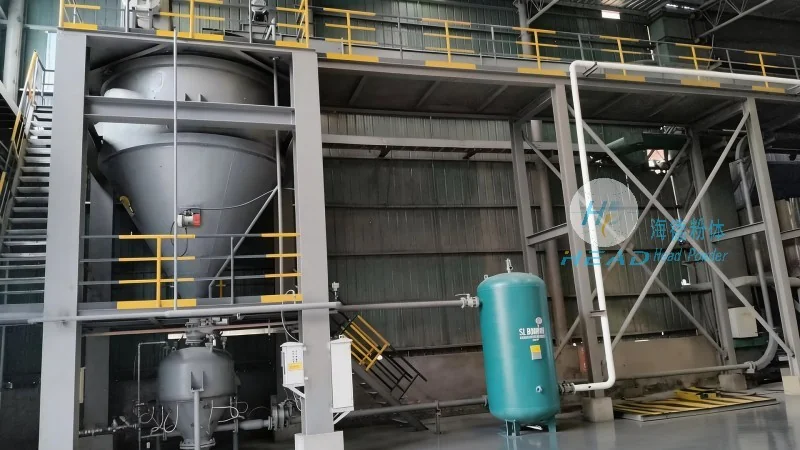
Conclusion: Choosing the Right Conveying Method for Sulfur Pellets
In conclusion, the choice of conveying method for sulfur pellets is a critical decision that impacts the overall performance and safety of industrial operations. While conventional methods like gravity and mechanical conveying have their uses, pneumatic conveying offers significant advantages in terms of efficiency, safety, and flexibility. By leveraging the expertise of Shandong HeadPowder Engineering Co., Ltd., clients can access advanced pneumatic conveying systems that are designed to meet the unique challenges of sulfur pellet handling. Our commitment to quality, innovation, and customer satisfaction ensures that our solutions provide long-term value and reliability, helping businesses optimize their material handling processes and achieve their operational goals.

 Shandong Headpowder Engineering Co., Ltd.
 156-6277-7102(Quản lý Trương)
  0531-83386006
  Thành phố Tế Nam, Tỉnh Sơn Đông, Trung Quốc
Điện thoại
WeChatTư vấn
Lên đầu