Với hơn 10 năm kinh nghiệm về vận chuyển khí nén, Headpowder Sơn Đông cung cấp hệ thống, thiết bị và quạt gió toàn chuỗi, đảm nhận các dự án kỹ thuật bột trọn gói trên toàn quốc.
When it comes to handling and transporting manganese sulfate, selecting the right delivery method is crucial for ensuring efficiency, safety, and product integrity. Manganese sulfate, a key chemical used in various industries such as battery manufacturing, agriculture, and water treatment, presents unique challenges during transport due to its physical and chemical properties. Traditional methods like belt conveyors or screw conveyors may struggle with issues like dust generation, material caking, and equipment wear. This article explores the different delivery methods available for manganese sulfate and highlights the advantages of pneumatic conveying as a superior solution.
Understanding Manganese Sulfate and Its Handling Requirements
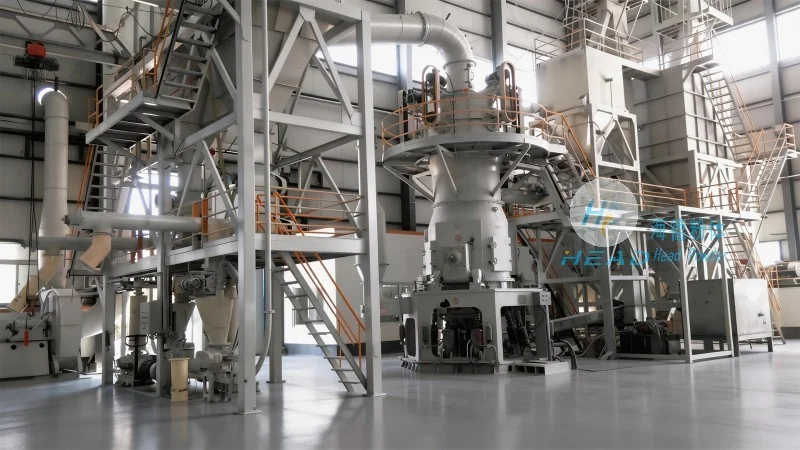
Manganese sulfate, with the chemical formula MnSO₄, is a white crystalline powder that is hygroscopic and prone to clumping. Its handling requires specialized equipment to prevent dust exposure and maintain product quality. The material's corrosive nature and potential for dust inhalation necessitate systems that ensure complete containment and minimal environmental impact. These characteristics make conventional bulk material handling methods less suitable, prompting the adoption of more advanced technologies like pneumatic conveying.
Traditional Manganese Sulfate Delivery Methods and Their Limitations
Conventional bulk material handling systems, including belt conveyors and screw conveyors, have been widely used in the chemical industry. However, these methods often face significant drawbacks when applied to manganese sulfate. Belt conveyors, for instance, can generate high levels of dust, leading to safety hazards and environmental pollution. Screw conveyors, while effective for some powders, are susceptible to clogging and material buildup, especially with hygroscopic materials like manganese sulfate. Additionally, these systems may require frequent maintenance and cleaning, increasing operational costs and downtime.
The Advantages of Pneumatic Conveying for Manganese Sulfate
Pneumatic conveying, or air-based transport, offers a comprehensive solution to the challenges associated with manganese sulfate delivery. This technology uses compressed air to transport the material through a sealed system, eliminating the need for direct contact between the material and equipment. The primary advantages of pneumatic conveying for manganese sulfate include:
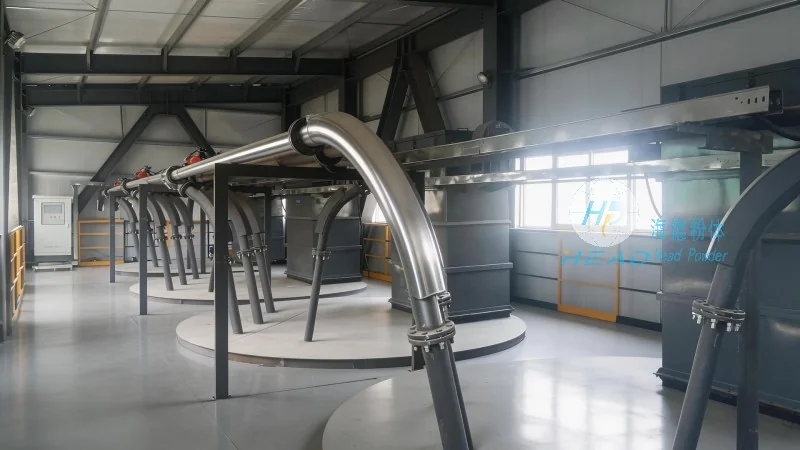
Complete Containment: The sealed system prevents dust leakage, ensuring a safe and clean working environment.
High Efficiency: Pneumatic systems can transport large volumes of material over long distances with minimal energy consumption.
Reduced Maintenance: The absence of moving parts in the conveying line reduces wear and tear, leading to lower maintenance costs.
Flexibility: Pneumatic conveying systems can be easily integrated with existing production lines and adapted to different process requirements.
Technical Features of Manganese Sulfate Pneumatic Conveying Systems
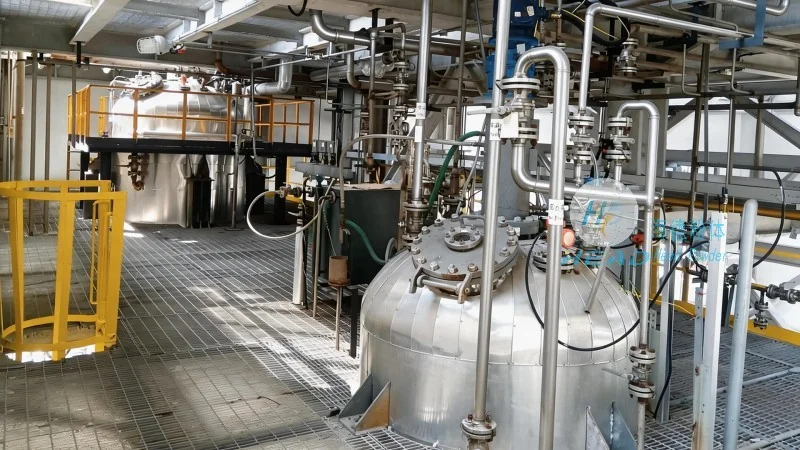
Manganese sulfate pneumatic conveying systems typically consist of several key components, including a hopper, feeder, air compressor, and conveying line. The system operates by drawing the material from the hopper and transporting it through the line using compressed air. To ensure optimal performance, the equipment is often constructed from corrosion-resistant materials such as stainless steel, which is essential for handling the acidic properties of manganese sulfate.
There are two main types of pneumatic conveying systems: suction (or vacuum) and pressure. Suction systems are ideal for short-distance transport and material collection, while pressure systems are better suited for longer distances and high-pressure applications. Both types can be customized to meet specific operational needs, such as varying flow rates and material characteristics.
Application Scenarios and Practical Benefits
The benefits of pneumatic conveying for manganese sulfate are evident in various industrial applications. In battery manufacturing, for example, the need for precise and dust-free material handling is critical to ensure the quality of the final product. Pneumatic systems help maintain consistent material properties and reduce contamination risks. Similarly, in agricultural applications, where manganese sulfate is used as a fertilizer, efficient delivery ensures that the product reaches the target areas without loss or degradation.
Companies that have adopted pneumatic conveying for manganese sulfate have reported significant improvements in operational efficiency and product quality. The reduction in dust exposure has led to a safer workplace, while the minimized maintenance requirements have lowered overall operational costs. These practical benefits make pneumatic conveying a preferred choice for many industries dealing with manganese sulfate.
About Shandong HeadPowder Engineering Co., Ltd.
Shandong HeadPowder Engineering Co., Ltd., commonly known as HeadPowder, is a leading manufacturer of pneumatic conveying systems and bulk material handling solutions. With a focus on innovation and customer satisfaction, HeadPowder specializes in providing customized solutions for the chemical industry. The company's headquarters is located in Shandong, China, where it leverages advanced technology and experienced engineering teams to develop high-quality equipment. HeadPowder's commitment to quality and reliability has made it a trusted partner for businesses seeking efficient and safe manganese sulfate delivery systems.

 Shandong Headpowder Engineering Co., Ltd.
 156-6277-7102(Quản lý Trương)
  0531-83386006
  Thành phố Tế Nam, Tỉnh Sơn Đông, Trung Quốc
Điện thoại
WeChatTư vấn
Lên đầu