Với hơn 10 năm kinh nghiệm về vận chuyển khí nén, Headpowder Sơn Đông cung cấp hệ thống, thiết bị và quạt gió toàn chuỗi, đảm nhận các dự án kỹ thuật bột trọn gói trên toàn quốc.
Carbon carbide is a critical material in various industrial applications, including manufacturing, mining, and construction. The efficient and safe transportation of carbon carbide particles is essential for maintaining production efficiency and ensuring worker safety. Among the various conveying methods available, pneumatic conveying stands out as a preferred solution for many industries due to its unique advantages and features.
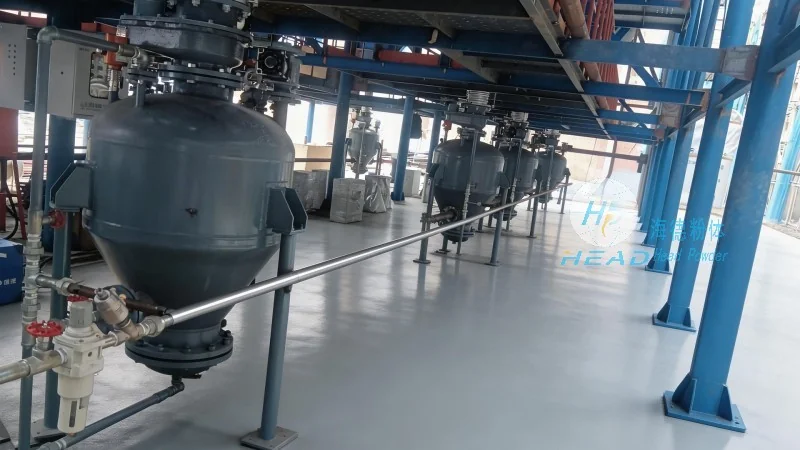
Introduction to Carbon Carbide Conveying
Carbon carbide, also known as tungsten carbide, is a hard, brittle material composed of tungsten and carbon. Its high hardness and wear resistance make it an ideal component in cutting tools, wear-resistant parts, and other high-performance applications. However, the handling and transportation of carbon carbide powders or granules require specialized equipment and methods to prevent material degradation and ensure operational safety. Traditional conveying methods, such as belt conveyors or screw conveyors, may not be suitable for carbon carbide due to its abrasive nature and potential for dust generation.
HeadPowder: A Leading Provider of Carbon Carbide Conveying Solutions
Shandong HeadPowder Engineering Co., Ltd., a prominent company based in China, specializes in providing advanced conveying solutions for carbon carbide and other industrial materials. With a strong commitment to quality and innovation, HeadPowder has established itself as a trusted partner for businesses seeking reliable and efficient material handling systems. The company’s headquarters is located in Shandong, China, where it leverages local expertise and resources to develop cutting-edge technologies tailored to the needs of its clients.
Common Conveying Methods for Carbon Carbide
Several methods are used to transport carbon carbide, including mechanical conveyors, pneumatic systems, and vacuum systems. Mechanical conveyors, such as belt or screw conveyors, are widely used but have limitations when handling fine or abrasive powders. They can cause material degradation through friction and may require frequent maintenance to prevent wear. Vacuum systems, while effective for some applications, may not be suitable for large volumes or high-speed operations. In contrast, pneumatic conveying offers a more versatile and efficient solution for carbon carbide transportation.
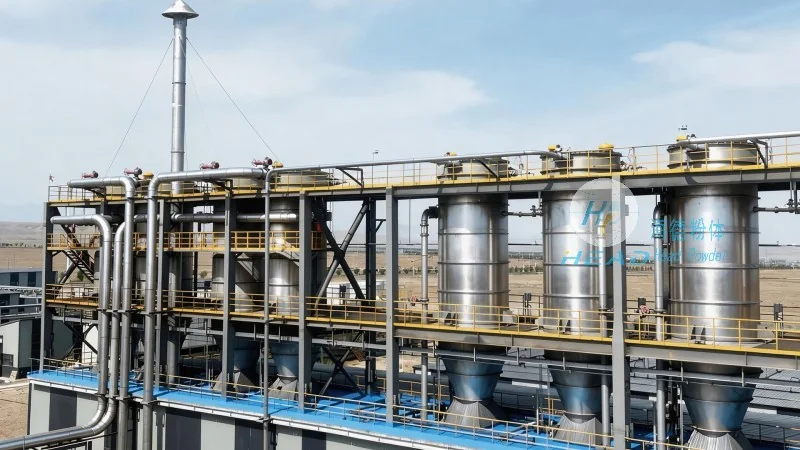
Pneumatic Conveying: Advantages and Features
Pneumatic conveying, also known as air conveying, uses compressed air to transport materials through a pipeline system. This method is particularly well-suited for carbon carbide due to its ability to handle fine powders and granules without causing damage. The primary advantages of pneumatic conveying for carbon carbide include high efficiency, minimal material degradation, and improved safety compared to traditional methods. By using air as the conveying medium, the system reduces the risk of dust explosions and provides a more controlled environment for material handling.
One of the key features of pneumatic conveying systems is their flexibility in design. These systems can be customized to accommodate various particle sizes, flow rates, and operational requirements. For carbon carbide, the system design often includes components such as feeders, airlocks, and cyclones to ensure smooth and continuous material flow. The use of positive pressure or negative pressure systems allows for precise control over the conveying process, optimizing both efficiency and safety.
Key Features of Carbon Carbide Pneumatic Conveying Systems
Modern carbon carbide pneumatic conveying systems incorporate several advanced features to enhance performance and reliability. These features include:
1. **High-Performance Airlocks**: These components ensure airtight sealing between the conveying line and the material hopper, preventing dust leakage and maintaining system pressure. For carbon carbide, airlocks are designed to handle abrasive materials without wear or damage.
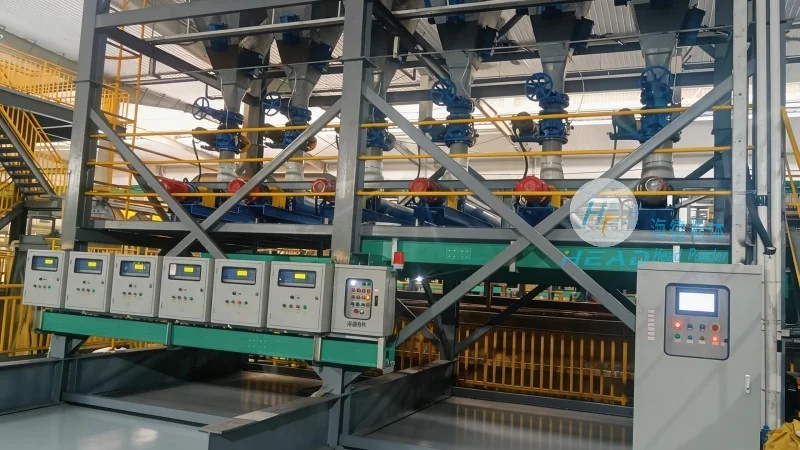
2. **Efficient Cyclones and Separators**: Cyclones are used to separate the conveyed material from the air stream, allowing for clean material recovery and reduced air emissions. These separators are engineered to handle fine carbon carbide particles, minimizing loss and ensuring product purity.
3. **Advanced Control Systems**: Modern pneumatic conveying systems are equipped with sophisticated control panels that allow operators to monitor and adjust the conveying process in real-time. These systems provide data on flow rates, pressure, and material levels, enabling proactive maintenance and optimization.
4. **Durable and Corrosion-Resistant Materials**: The components of the conveying system, such as pipelines and valves, are constructed from materials resistant to the abrasive nature of carbon carbide. This ensures long-term durability and reduces the need for frequent replacements.
Applications of Carbon Carbide Pneumatic Conveying
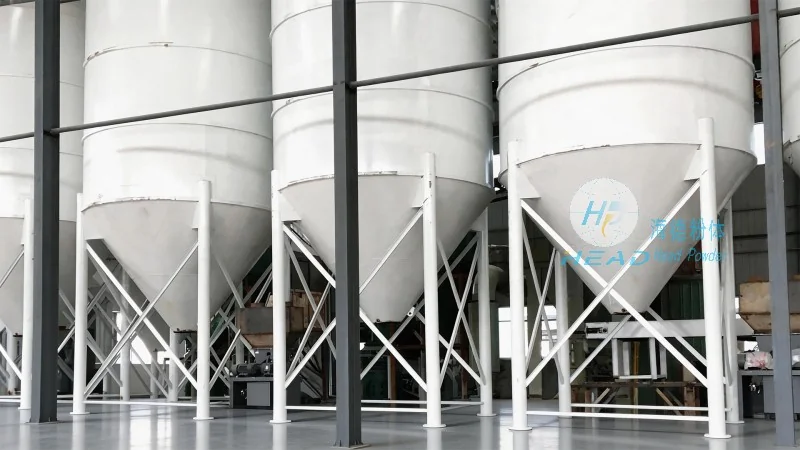
Carbon carbide pneumatic conveying systems are widely used in various industrial applications, including:
1. **Manufacturing of Cutting Tools**: In the production of tungsten carbide cutting tools, pneumatic conveying is used to transport raw carbon carbide powders to mixing and pressing stations. The system ensures consistent material flow and prevents contamination, which is critical for maintaining tool quality.
2. **Mining and Mineral Processing**: Carbon carbide is used in mining equipment and wear-resistant parts. Pneumatic conveying helps transport these materials from storage to processing facilities, improving operational efficiency and reducing labor costs.
3. **Construction and Infrastructure**: In construction projects, carbon carbide is used in wear-resistant coatings and components. Pneumatic systems enable the efficient delivery of these materials to job sites, ensuring timely completion of projects.
Conclusion
Carbon carbide conveying methods, particularly pneumatic conveying, offer significant advantages in terms of efficiency, safety, and material integrity. By leveraging advanced technology and specialized design, companies like Shandong HeadPowder Engineering Co., Ltd. provide reliable solutions for the transportation of carbon carbide in various industrial applications. The combination of high-performance components, flexible system design, and robust control systems ensures that carbon carbide is handled with precision and care, meeting the demands of modern industrial operations.

 Shandong Headpowder Engineering Co., Ltd.
 156-6277-7102(Quản lý Trương)
  0531-83386006
  Thành phố Tế Nam, Tỉnh Sơn Đông, Trung Quốc
Điện thoại
WeChatTư vấn
Lên đầu