Với hơn 10 năm kinh nghiệm về vận chuyển khí nén, Headpowder Sơn Đông cung cấp hệ thống, thiết bị và quạt gió toàn chuỗi, đảm nhận các dự án kỹ thuật bột trọn gói trên toàn quốc.
When it comes to handling and transporting anhydrous sodium sulfate, selecting the right conveying method is crucial for efficiency, cost-effectiveness, and operational safety. This article provides a detailed comparison of the most common methods used in industrial applications, highlighting their advantages, limitations, and suitable applications. The information is presented by Shandong HeadPowder Engineering Co., Ltd., a leading provider of powder handling solutions based in China.
Overview of Anhydrous Sodium Sulfate and Conveying Challenges
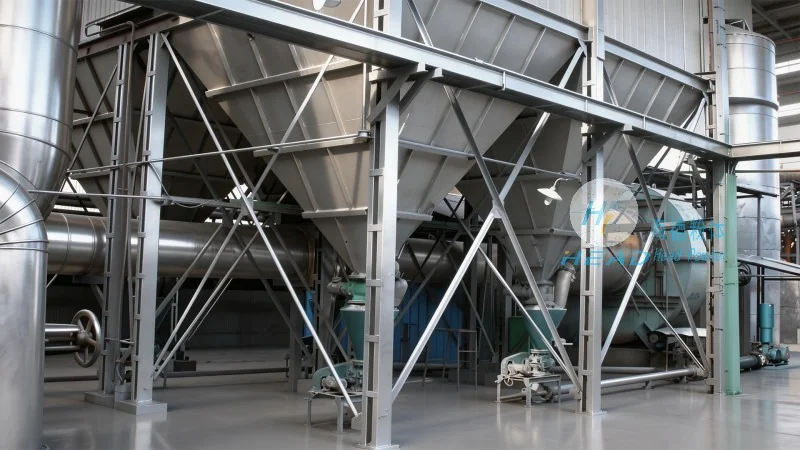
Anhydrous sodium sulfate, also known as sodium sulfate anhydrous, is a white crystalline powder widely used in industries such as glass manufacturing, paper production, and chemical processing. Its bulk handling requires specialized equipment to ensure minimal dust generation, accurate flow control, and compliance with safety standards. The choice of conveying method depends on factors like material properties, plant layout, production scale, and budget constraints. Below, we explore the primary methods and their practical implications.
Pipeline Conveying: A Traditional and Efficient Solution
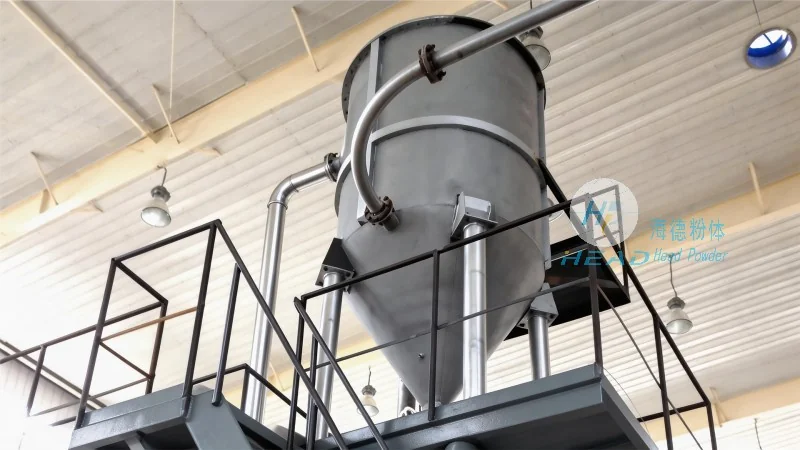
Pipeline conveying, often referred to as pneumatic or hydraulic transport, is a well-established method for moving anhydrous sodium sulfate. This technique involves transporting the material through a network of pipes using air or a liquid medium. For anhydrous sodium sulfate, pneumatic conveying is particularly common due to its ability to handle fine powders without excessive wear on equipment. The system typically consists of a hopper, a rotary airlock valve, a conveyor line, and a dust collector. The air velocity is carefully controlled to ensure the material is suspended and transported smoothly, minimizing blockages and maintaining consistent flow rates. One of the key advantages of pipeline conveying is its ability to integrate with existing plant infrastructure, allowing for long-distance transport with minimal space requirements. However, it may require higher energy consumption compared to other methods, and the system needs regular maintenance to prevent air leaks or material buildup. The method is ideal for applications where dust control is critical and where the material needs to be transported from a central storage to multiple processing points.
Screw Conveyors: Reliable and Versatile for Bulk Handling
Screw conveyors, also known as auger conveyors, are another popular choice for transporting anhydrous sodium sulfate. These systems use a rotating screw (auger) to move material along a U-shaped or straight trough. The screw's rotation creates a positive displacement, pushing the material forward. Screw conveyors are highly reliable and can handle a wide range of bulk materials, including fine powders like anhydrous sodium sulfate. They are particularly effective in vertical or inclined applications, where gravity might otherwise impede material flow. The design allows for easy integration with other equipment, such as hoppers and mixers, making it suitable for continuous production lines. A significant advantage of screw conveyors is their low maintenance requirements and the ability to operate in both horizontal and vertical orientations. However, they may experience issues with material bridging or clogging, especially if the powder is hygroscopic or has high moisture content. Proper material conditioning and regular cleaning are essential to maintain optimal performance. Screw conveyors are commonly used in applications where the material needs to be moved within a confined space or where the process requires precise control over the flow rate.
Vibrating Conveyors: Efficient for Free-Flowing Materials
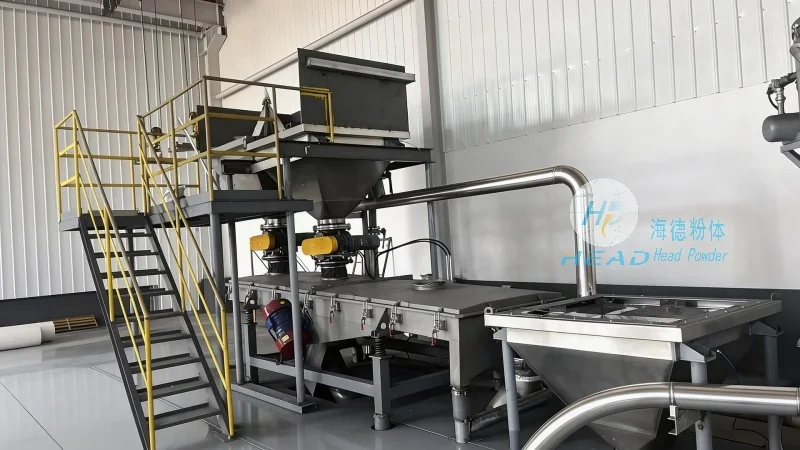
Vibrating conveyors utilize mechanical vibrations to move anhydrous sodium sulfate along a trough. The conveyor bed is equipped with an oscillating mechanism that causes the material to flow by a combination of gravity and vibration. This method is particularly effective for free-flowing materials, as the vibrations help break up any agglomerates and ensure consistent movement. Vibrating conveyors are known for their low energy consumption and minimal wear on components, making them a cost-effective option for many industrial applications. They are also easy to install and can be adapted to various plant layouts. However, they may not be suitable for very fine or cohesive powders, as the vibrations might not be sufficient to prevent clogging. The system requires regular inspection to ensure the vibration mechanism is functioning correctly and to prevent material buildup in the trough. Vibrating conveyors are ideal for applications where the material needs to be transported over moderate distances and where dust control is less critical than in pneumatic systems. They are commonly used in situations where the material is being transferred from a storage silo to a processing unit or between different stages of a production line.
Bucket Elevators: Vertical Transport with High Capacity
For vertical transport of anhydrous sodium sulfate, bucket elevators are a robust and efficient solution. These systems consist of a vertical or inclined conveyor with buckets attached to a chain or belt. As the buckets move up the conveyor, they scoop up the material and discharge it at the top. Bucket elevators are capable of handling large volumes of material at high speeds, making them suitable for high-throughput applications. They are particularly effective in environments where horizontal space is limited, as they can transport material vertically over significant heights. The design ensures minimal material spillage and dust generation, which is crucial for maintaining safety and compliance with environmental regulations. A key advantage of bucket elevators is their ability to handle abrasive materials without excessive wear, as the buckets are typically made of durable materials like steel or rubber. However, they require more maintenance than other methods, as the chains or belts need regular inspection and replacement. The system also has a higher initial cost compared to simpler conveyors, but the long-term operational efficiency often justifies the investment. Bucket elevators are commonly used in applications where the material needs to be lifted from a lower level to a higher processing area, such as in chemical plants or glass manufacturing facilities.
Comparison and Selection Criteria
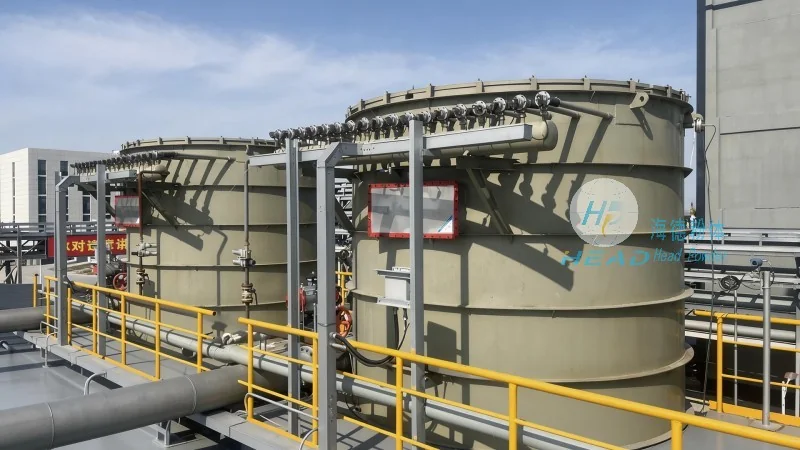
When choosing a conveying method for anhydrous sodium sulfate, several factors must be considered to ensure the best fit for the application. The primary criteria include material properties (e.g., particle size, moisture content, flowability), plant layout and space availability, required transport distance and height, production capacity, and budget constraints. Pipeline conveying excels in long-distance, dust-free transport but requires higher energy input. Screw conveyors offer reliability and versatility for bulk handling, especially in horizontal or vertical orientations. Vibrating conveyors are efficient for free-flowing materials with low energy consumption. Bucket elevators provide high-capacity vertical transport with robust performance. The choice often involves a trade-off between cost, efficiency, and operational complexity. For example, a small-scale operation with limited space might opt for a screw conveyor, while a large industrial plant with extensive horizontal and vertical transport needs might use a combination of pipeline and bucket elevators. Ultimately, the most suitable method is one that aligns with the specific requirements of the process, ensuring optimal performance, safety, and cost-effectiveness.
Conclusion
Transporting anhydrous sodium sulfate efficiently and safely requires careful consideration of the conveying method. Each technique has its strengths and limitations, and the optimal choice depends on the unique needs of the industrial application. Shandong HeadPowder Engineering Co., Ltd. specializes in providing tailored powder handling solutions, including the selection and installation of appropriate conveying systems. By understanding the characteristics of anhydrous sodium sulfate and the capabilities of different conveying methods, industries can enhance their operational efficiency, reduce costs, and maintain compliance with safety and environmental standards. Whether through pipeline, screw, vibrating, or bucket elevators, the right conveying system can significantly impact the overall performance and success of anhydrous sodium sulfate handling processes.

 Shandong Headpowder Engineering Co., Ltd.
 156-6277-7102(Quản lý Trương)
  0531-83386006
  Thành phố Tế Nam, Tỉnh Sơn Đông, Trung Quốc
Điện thoại
WeChatTư vấn
Lên đầu