Với hơn 10 năm kinh nghiệm về vận chuyển khí nén, Headpowder Sơn Đông cung cấp hệ thống, thiết bị và quạt gió toàn chuỗi, đảm nhận các dự án kỹ thuật bột trọn gói trên toàn quốc.
When it comes to the efficient and reliable transportation of glass raw materials, selecting the right conveying system is crucial for optimizing production processes in glass manufacturing facilities. Various methods are employed, each with distinct advantages and applications. This article provides an overview of common glass raw material conveying methods, highlighting their features, operational principles, and suitability for different production environments.
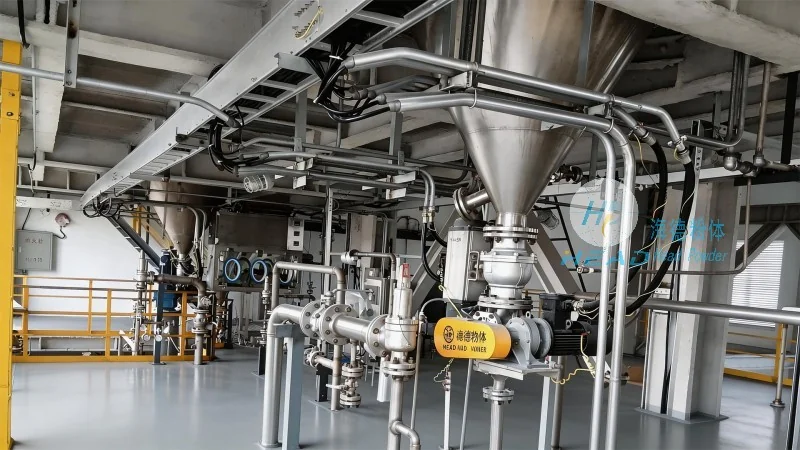
1. Belt Conveyors for Glass Raw Material Handling
Belt conveyors are among the most widely used systems for transporting bulk materials, including glass powders and cullet. These systems consist of a continuous loop of belt material supported by rollers or pulleys, which moves the material from the loading point to the discharge point. The design of belt conveyors can be customized to handle different material types, with options such as flat belts, troughed belts, and flexible belts to accommodate varying particle sizes and flow characteristics. One of the key advantages of belt conveyors is their ability to transport materials over long distances with minimal maintenance. They are particularly effective for horizontal or slightly inclined transport, making them suitable for raw material storage areas, batching systems, and preheating zones in glass production lines. The smooth operation of belt conveyors ensures consistent material flow, reducing the risk of material degradation or segregation. However, belt conveyors may require regular cleaning and inspection to prevent material buildup or belt wear, which can impact long-term efficiency. The choice of belt material, such as rubber or PVC, is critical to ensure compatibility with the glass raw materials and to maintain durability under high-temperature or abrasive conditions.
2. Bucket Elevators for Vertical Transport of Glass Materials
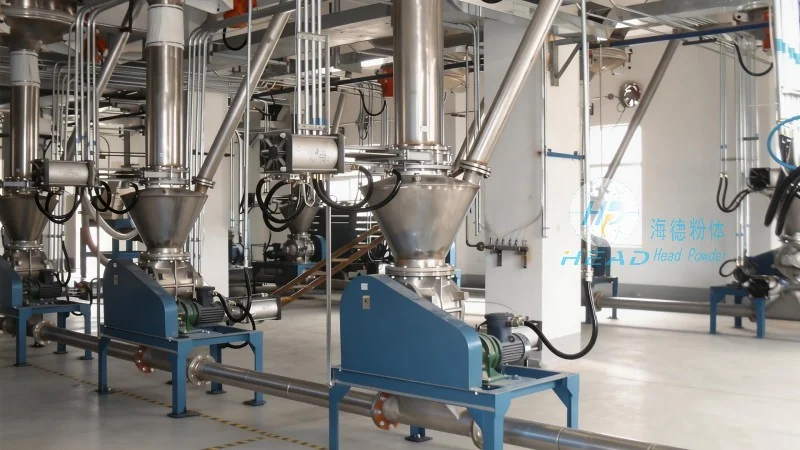
For vertical or inclined transport of glass raw materials, bucket elevators offer a robust and efficient solution. These systems utilize a series of buckets attached to a rotating chain or belt, which lifts the material from a lower to a higher level. Bucket elevators are particularly well-suited for transporting powders and granules, as the buckets can effectively scoop and carry the material without causing excessive vibration or spillage. The design of bucket elevators allows for high capacity and continuous operation, making them ideal for applications where vertical movement is necessary, such as feeding raw materials into furnaces or elevating materials from storage silos. The vertical transport capability of bucket elevators reduces the need for additional horizontal conveying equipment, simplifying the overall material handling system. However, bucket elevators require careful alignment and maintenance to prevent bucket damage or chain wear, which can lead to operational disruptions. The selection of bucket type, such as deep or shallow buckets, depends on the material's bulk density and flow characteristics, ensuring optimal performance and material handling efficiency.
3. Pneumatic Conveying Systems for Glass Raw Material Transport
Pneumatic conveying systems use air or other gases to transport glass raw materials, offering a dust-free and enclosed method of material handling. These systems can be categorized into pressure and vacuum types, each with specific applications. Pressure pneumatic conveyors operate by blowing air through a pipeline, pushing the material forward, while vacuum systems use suction to draw the material into the pipeline. Pneumatic conveying is particularly effective for transporting fine powders and granules, as it minimizes material degradation and prevents dust emissions, which is crucial for maintaining a clean and safe working environment. The enclosed nature of pneumatic systems also reduces the risk of material contamination, making them suitable for transporting materials that require high purity, such as those used in specialty glass production. Pneumatic conveyors can transport materials over moderate distances, with some systems capable of handling long horizontal or vertical runs. However, the efficiency of pneumatic systems depends on the material's flowability and the air pressure available, which may require adjustments for different raw material types. The design of the pipeline, including bends and fittings, is critical to ensure smooth material flow and to minimize pressure losses, which can affect the overall conveying capacity.
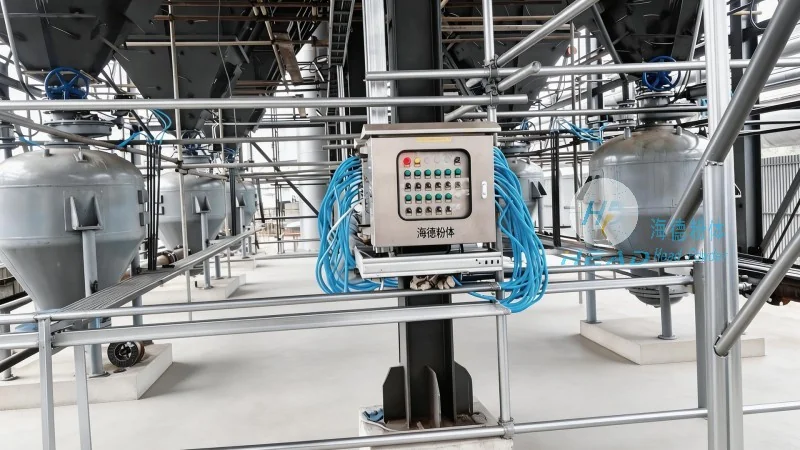
4. Screw Conveyors for Glass Raw Material Handling
Screw conveyors, also known as auger conveyors, are another common method for transporting glass raw materials, especially in applications where horizontal or slight incline transport is required. These systems consist of a rotating screw (auger) inside a trough or tube, which moves the material forward as the screw rotates. Screw conveyors are suitable for handling a wide range of materials, including powders, granules, and even bulkier materials like crushed glass. The design of screw conveyors allows for compact installation and can be integrated into existing production lines with minimal modifications. One of the key advantages of screw conveyors is their ability to handle materials with varying moisture content and flow characteristics, as the screw can be adjusted to accommodate different material properties. Screw conveyors are often used for feeding raw materials into mixers, batchers, or storage silos, providing a reliable and continuous material flow. However, screw conveyors may experience material bridging or clogging, especially with cohesive or sticky glass raw materials, which can reduce their efficiency. Regular maintenance, such as cleaning and lubrication, is necessary to prevent these issues and ensure smooth operation. The choice of screw material, such as stainless steel or carbon steel, depends on the material's corrosive properties and the operating conditions, ensuring durability and compatibility with the glass raw materials.
5. Vibrating Conveyors for Glass Raw Material Transport
Vibrating conveyors utilize vibration to move glass raw materials along a trough or conveyor bed, offering a low-friction and efficient method of material handling. These systems consist of a conveyor bed supported by vibration motors or springs, which cause the bed to oscillate at a specific frequency and amplitude. The vibration helps to move the material forward by reducing friction and allowing the material to flow more freely. Vibrating conveyors are particularly effective for transporting fine powders and granules, as well as bulkier materials like crushed glass, without causing excessive wear or degradation. The design of vibrating conveyors allows for gentle material handling, which is crucial for maintaining the quality of sensitive glass raw materials. They are often used in applications where material segregation or degradation must be minimized, such as in the transport of raw materials to preheating zones or furnaces. Vibrating conveyors can handle materials over moderate distances and can be customized with different trough sizes and vibration frequencies to suit specific material requirements. However, the maintenance of vibrating systems is important, as worn or misaligned components can affect the vibration frequency and material flow. Regular inspection and replacement of vibration components are necessary to ensure consistent performance and to prevent operational issues.
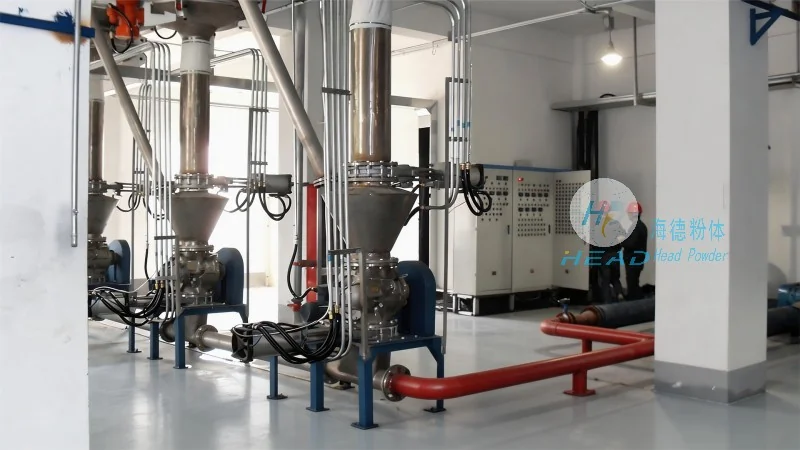
6. Comparison and Selection Considerations
When selecting a glass raw material conveying method, several factors must be considered to ensure optimal performance and efficiency. The primary factors include the material type (e.g., powder, granule, or bulk), the distance and elevation changes required, the desired material flow rate, and the environmental conditions (e.g., dust control, temperature, and space constraints). Belt conveyors are generally preferred for long horizontal transport and high-volume applications, while bucket elevators are ideal for vertical transport. Pneumatic systems offer a dust-free solution for fine powders and require less maintenance for horizontal transport. Screw and vibrating conveyors are suitable for moderate distances and can handle a variety of material types. The choice of system also depends on the specific production process and the need for integration with other equipment, such as mixers, furnaces, or storage silos. For example, in glass manufacturing, the selection of a conveying system may be influenced by the need to feed raw materials into a furnace at a controlled rate, or to transport materials from storage to processing areas. Additionally, the cost of installation, operation, and maintenance should be evaluated when comparing different conveying methods. While belt and bucket elevators may have higher initial costs, they offer long-term efficiency and reliability. Pneumatic systems may have lower maintenance costs but require higher energy consumption. The overall goal is to select a conveying method that aligns with the production requirements, ensures consistent material flow, and minimizes downtime or operational disruptions.
Conclusion
Efficient glass raw material conveying is essential for maintaining the productivity and quality of glass manufacturing processes. The selection of the appropriate conveying system depends on various factors, including material characteristics, transport distance, and operational requirements. Belt conveyors, bucket elevators, pneumatic systems, screw conveyors, and vibrating conveyors each offer unique advantages and are suitable for different applications. By understanding the operational principles and features of each system, manufacturers can make informed decisions to optimize their material handling processes. The use of advanced conveying technologies, such as automated control systems and material flow monitoring, can further enhance the efficiency and reliability of glass raw material transport. As the glass industry continues to evolve, the development of more efficient and sustainable conveying solutions will remain a key focus, ensuring that glass production remains competitive and environmentally responsible. Shandong HeadPowder Engineering Co., Ltd., a leading provider of glass raw material handling solutions, offers a range of conveying systems tailored to meet the specific needs of glass manufacturers, helping to improve operational efficiency and product quality.

 Shandong Headpowder Engineering Co., Ltd.
 156-6277-7102(Quản lý Trương)
  0531-83386006
  Thành phố Tế Nam, Tỉnh Sơn Đông, Trung Quốc
Điện thoại
WeChatTư vấn
Lên đầu