Với hơn 10 năm kinh nghiệm về vận chuyển khí nén, Headpowder Sơn Đông cung cấp hệ thống, thiết bị và quạt gió toàn chuỗi, đảm nhận các dự án kỹ thuật bột trọn gói trên toàn quốc.
When it comes to transporting dry powders in industrial settings, selecting the right conveying method is crucial for efficiency, cost-effectiveness, and material integrity. Various technologies are available, each with distinct advantages and limitations. This article provides a detailed comparison of common dry powder conveying methods, highlighting their applications, benefits, and considerations.
About HeadPowder: Your Trusted Partner in Dry Powder Conveying Solutions
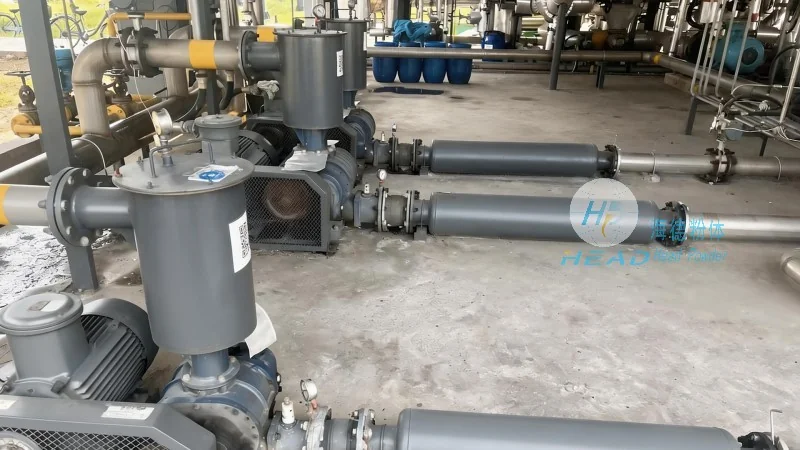
HeadPowder, a division of Shandong HeadPowder Engineering Co., Ltd., is a leading provider of specialized equipment and systems for dry powder handling. With a focus on innovation and reliability, HeadPowder offers tailored solutions to meet the diverse needs of industries such as pharmaceuticals, food processing, chemicals, and more. Based in Shandong, China, HeadPowder leverages decades of experience to deliver high-quality, efficient conveying systems that enhance operational performance and ensure product safety.
Air-Pneumatic Conveying Systems: The Most Common Method for Dry Powder Transport
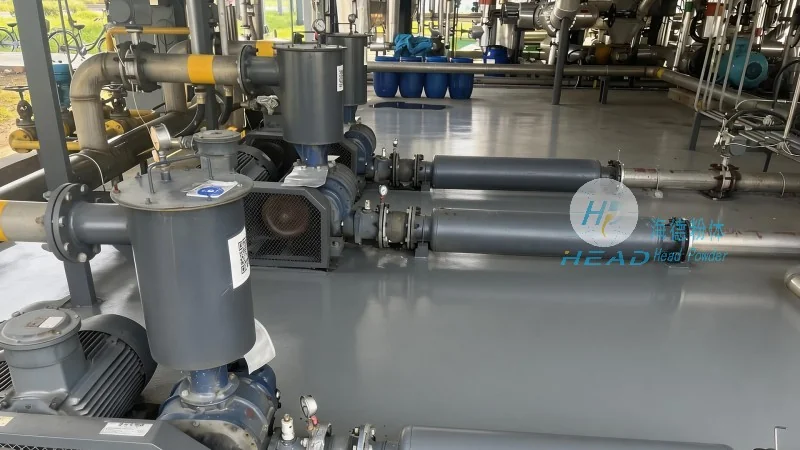
Air-pneumatic conveying, often referred to as pneumatic conveying, is one of the most widely used methods for transporting dry powders. This technology utilizes compressed air to move material through a pipeline. There are two primary types: pressure and vacuum systems. Pressure systems push material forward using positive pressure, while vacuum systems pull material using negative pressure. The choice between the two depends on the distance, material characteristics, and system layout. Air-pneumatic conveying is ideal for transporting fine powders, granules, and other dry materials over medium to long distances. It offers advantages such as low maintenance, minimal product contamination, and the ability to handle materials that are sensitive to moisture or temperature changes. However, it may require higher energy input compared to other methods and can be less efficient for very fine or cohesive powders.
Screw Conveyors: Ideal for Horizontal or Inclined Transport
Screw conveyors, also known as auger conveyors, are mechanical devices that use a rotating screw to move dry powders along a trough or tube. They are commonly used for horizontal or slightly inclined transport of bulk materials. Screw conveyors are particularly effective for materials that are free-flowing and non-abrasive. The design of the screw (e.g., pitch, diameter) can be customized to handle different particle sizes and flow rates. These systems are known for their simplicity, low cost, and ability to operate in a closed environment, which helps prevent dust emissions and product contamination. However, screw conveyors may not be suitable for very fine or cohesive powders, as they can cause material bridging or blockages. They also require regular maintenance to ensure smooth operation and prevent wear on the screw and trough.
Pneumatic Vacuum Conveying: Efficient for Short Distances and Light Materials
Pneumatic vacuum conveying is a specialized form of air-pneumatic conveying that uses negative pressure to draw material from a source and transport it to a destination. This method is particularly effective for short to medium distances and for handling light materials with low bulk density. Vacuum systems are often used in applications where the material needs to be transferred from a hopper or silo to a processing unit. They are known for their flexibility, as they can be easily reconfigured to handle different material types or transport routes. Pneumatic vacuum conveying is also suitable for materials that are sensitive to air exposure or that require gentle handling to avoid degradation. However, it may have lower capacity compared to pressure systems and can be less efficient for very large or heavy loads.
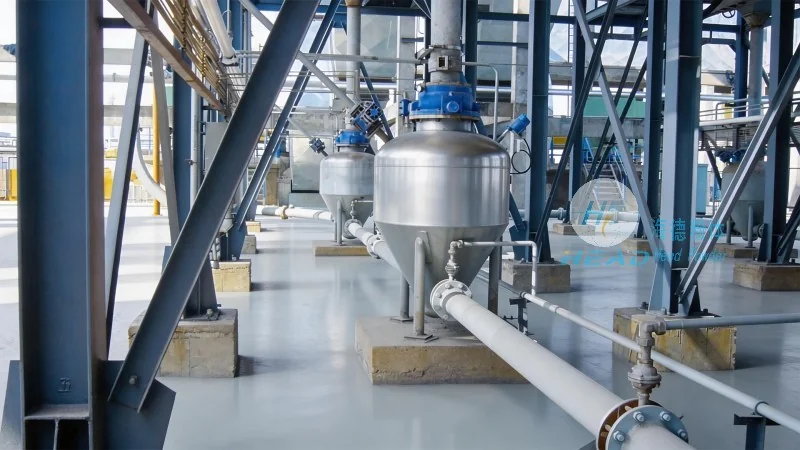
Baghouse Conveying: Used in Specific Industrial Applications
Baghouse conveying, also known as baghouse systems, is a method that combines material handling with dust collection. It is commonly used in industries where both conveying and filtration are required, such as in cement plants, power generation, and food processing. In a baghouse system, dry powders are transported through a series of filter bags that trap dust particles while allowing the clean air to be released. This dual function makes baghouse conveying an efficient solution for applications where dust control is a priority. The system typically includes a hopper, a conveyor mechanism, and a filtration unit. Baghouse conveying is particularly effective for handling powders that are prone to generating dust, as it ensures that the material is contained and processed without releasing harmful particles into the environment. However, baghouse systems are more complex and require regular maintenance of the filter bags to maintain efficiency and prevent clogging.
Choosing the Right Dry Powder Conveying Method: Factors to Consider
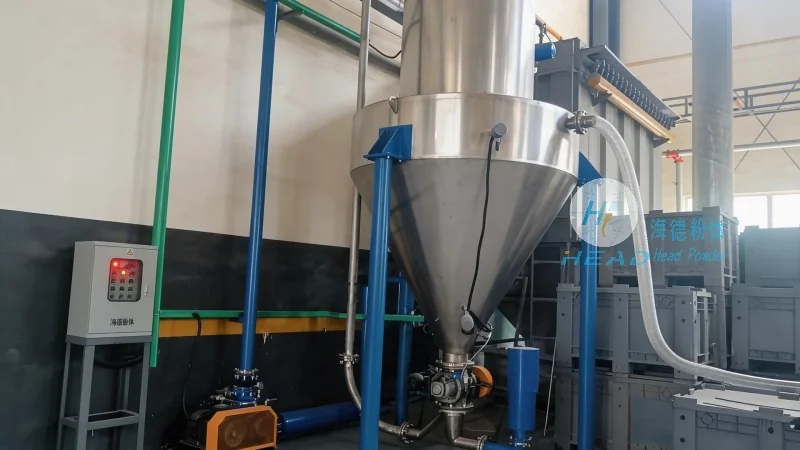
When selecting a dry powder conveying method, several factors must be considered to ensure optimal performance and cost-effectiveness. The first factor is the material characteristics, including particle size, bulk density, flowability, and moisture content. Fine powders or cohesive materials may require specialized systems like pneumatic conveying or vacuum systems to prevent blockages. The second factor is the distance and layout of the transport route. Short distances may be suitable for screw conveyors or vacuum systems, while long distances may require pressure pneumatic conveying. The third factor is the required capacity and flow rate, which will determine the size and type of the conveying system. Additionally, the need for dust control, product contamination prevention, and energy efficiency should be evaluated. HeadPowder offers a range of solutions tailored to these factors, ensuring that clients can choose the most appropriate method for their specific needs.
Conclusion: Partner with HeadPowder for Reliable Dry Powder Conveying
Choosing the right dry powder conveying method is essential for maintaining efficiency and product quality in industrial operations. Whether you need air-pneumatic, screw, vacuum, or baghouse systems, HeadPowder provides expert guidance and high-quality equipment to meet your conveying needs. With a focus on innovation, reliability, and customer satisfaction, HeadPowder is your trusted partner in achieving optimal performance and cost savings in dry powder handling. Based in Shandong, China, HeadPowder leverages its expertise to deliver solutions that enhance operational efficiency and ensure the integrity of your materials.

 Shandong Headpowder Engineering Co., Ltd.
 156-6277-7102(Quản lý Trương)
  0531-83386006
  Thành phố Tế Nam, Tỉnh Sơn Đông, Trung Quốc
Điện thoại
WeChatTư vấn
Lên đầu