Với hơn 10 năm kinh nghiệm về vận chuyển khí nén, Headpowder Sơn Đông cung cấp hệ thống, thiết bị và quạt gió toàn chuỗi, đảm nhận các dự án kỹ thuật bột trọn gói trên toàn quốc.
Desulfurization sodium bicarbonate, also known as sodium bicarbonate used in flue gas desulfurization processes, is a critical chemical in modern industrial applications. The efficient and reliable delivery of this substance is essential for maintaining optimal performance in desulfurization systems. This article explores the various methods employed for transporting desulfurization sodium bicarbonate, focusing on practical solutions that ensure safety, efficiency, and cost-effectiveness.
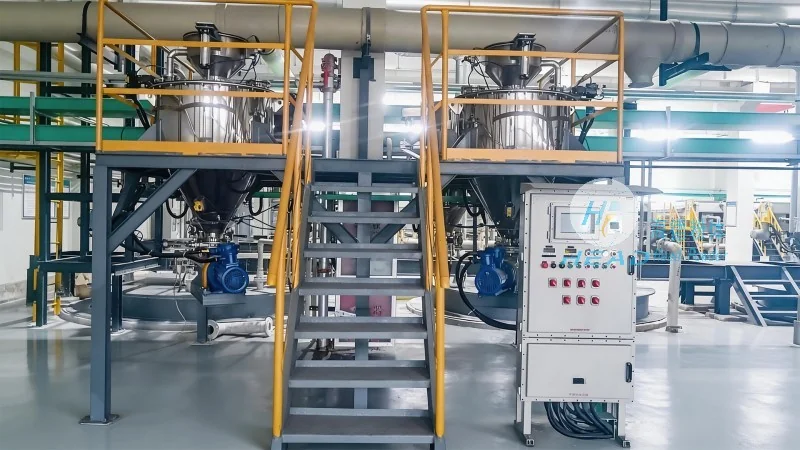
Key Considerations in Selecting a Delivery Method
When choosing a delivery method for desulfurization sodium bicarbonate, several factors must be considered. These include the scale of the operation, the distance over which the material needs to be transported, the required flow rate, and the environmental conditions. Additionally, the physical properties of the sodium bicarbonate, such as its bulk density and flowability, play a significant role in determining the most suitable method. Companies like Shandong HeadPowder Engineering Co., Ltd., based in China, specialize in providing tailored solutions that address these specific needs.
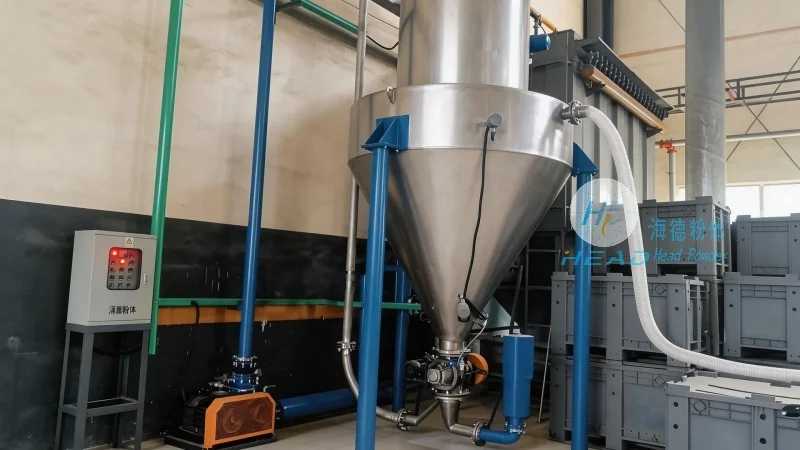
Common Delivery Methods for Desulfurization Sodium Bicarbonate
Several delivery methods are commonly used in the industry for transporting desulfurization sodium bicarbonate. Each method has its advantages and is suitable for different scenarios. The primary options include bulk handling systems, pneumatic conveying, and mechanical conveying equipment.
Bulk handling systems, such as silos and hoppers, are often used for storing and dispensing large quantities of sodium bicarbonate. These systems allow for controlled release of the material into conveyor belts or pneumatic lines, ensuring a steady flow to the desulfurization unit. Pneumatic conveying, on the other hand, uses air pressure to move the sodium bicarbonate through pipelines. This method is particularly effective for long-distance transport and can handle fine powders without the need for mechanical components that might cause clogging or wear.
Mechanical conveying, including screw conveyors and belt conveyors, is another popular choice. Screw conveyors are well-suited for vertical or inclined transport, while belt conveyors are ideal for horizontal or slightly inclined paths. These systems provide consistent and reliable movement of the material, making them suitable for continuous operation in industrial settings. The choice between these methods often depends on the specific layout of the facility and the operational requirements.
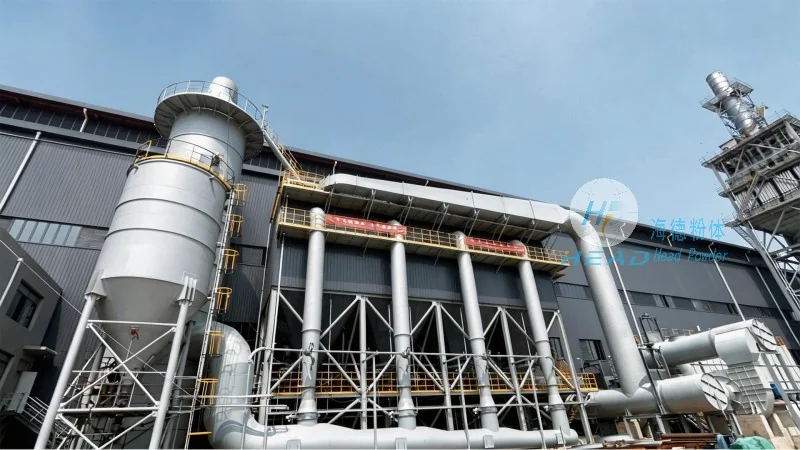
Advantages and Challenges of Each Method
Each delivery method has its own set of advantages and challenges. Bulk handling systems offer simplicity and ease of integration into existing storage facilities. However, they may require additional space and can be prone to material buildup if not properly maintained. Pneumatic conveying provides flexibility and can handle fine powders, but it may be less efficient for very large quantities and can be affected by air pressure variations. Mechanical conveying is generally reliable and cost-effective for horizontal transport, but it may experience wear and tear over time, especially with abrasive materials like sodium bicarbonate.
Companies specializing in industrial chemical handling, such as Shandong HeadPowder Engineering Co., Ltd., can provide expert guidance in selecting the most appropriate delivery method based on the client's operational parameters. Their experience in designing and implementing these systems ensures that the chosen method meets both performance and safety standards.
Custom Solutions for Specific Applications
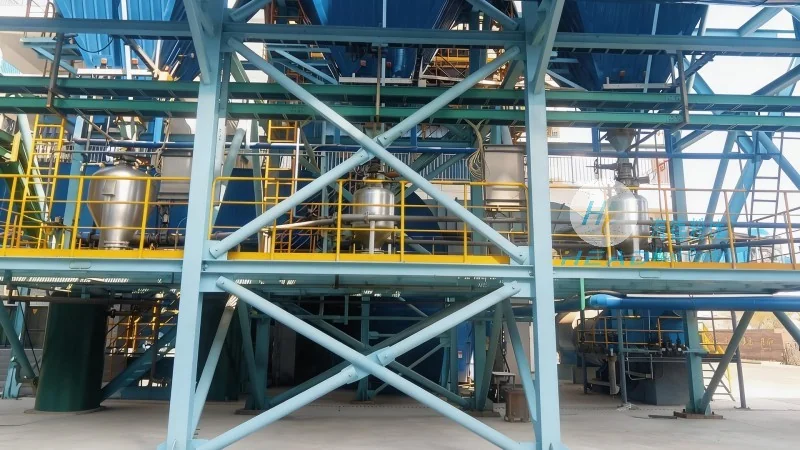
For many industrial applications, standard delivery methods may not fully meet the unique requirements of the process. In such cases, custom solutions are often necessary. Shandong HeadPowder Engineering Co., Ltd. offers customized delivery systems that integrate multiple components to optimize the transport of desulfurization sodium bicarbonate. These solutions may include hybrid systems combining pneumatic and mechanical conveying, or specialized equipment designed to handle specific bulk densities and flow characteristics.
Customization also allows for the incorporation of safety features, such as dust suppression systems and explosion-proof designs, which are critical in flue gas desulfurization environments. By tailoring the delivery system to the specific needs of the client, companies can enhance operational efficiency while minimizing risks associated with material handling.

 Shandong Headpowder Engineering Co., Ltd.
 156-6277-7102(Quản lý Trương)
  0531-83386006
  Thành phố Tế Nam, Tỉnh Sơn Đông, Trung Quốc
Điện thoại
WeChatTư vấn
Lên đầu