Với hơn 10 năm kinh nghiệm về vận chuyển khí nén, Headpowder Sơn Đông cung cấp hệ thống, thiết bị và quạt gió toàn chuỗi, đảm nhận các dự án kỹ thuật bột trọn gói trên toàn quốc.
When it comes to the efficient and reliable transport of gypsum gray powder, selecting the right conveying method is crucial for optimizing industrial processes. Gypsum gray powder, a common material in construction and manufacturing, requires specialized handling to ensure safety, productivity, and minimal material loss. This article explores the various methods available for gypsum gray powder conveying, highlighting the key considerations and applications for each approach.
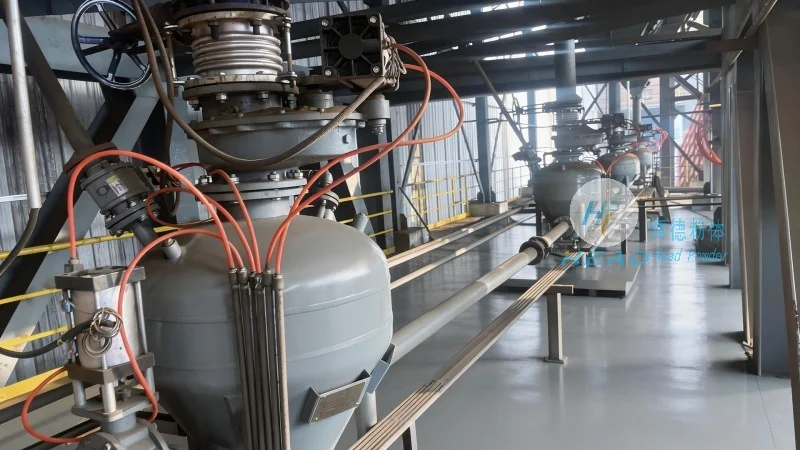
Overview of Gypsum Gray Powder Conveying Systems
Gypsum gray powder conveying systems are designed to move bulk materials like gypsum gray powder from one location to another within industrial facilities. These systems are essential for maintaining workflow efficiency, especially in applications such as gypsum board production, cement manufacturing, and mineral processing. The choice of conveying method depends on factors like material properties, distance, volume, and environmental constraints. Common methods include pneumatic conveying, mechanical conveying, and hybrid systems, each with its own advantages and limitations.
Pneumatic Conveying for Gypsum Gray Powder
Pneumatic conveying is a widely used method for gypsum gray powder transport due to its ability to handle fine powders and minimize material degradation. This technique involves using air or gas to move the powder through a pipeline. There are two main types of pneumatic conveying: pressure and vacuum systems. Pressure systems use compressed air to push the powder, while vacuum systems use suction to draw the material. For gypsum gray powder, pressure systems are often preferred as they can handle higher material loads and longer distances. The process typically involves a hopper to feed the powder into the pipeline, a conveyor line, and a receiver to collect the material at the destination. Pneumatic conveying offers advantages such as low maintenance, flexibility in layout, and the ability to transport materials over long distances without the need for multiple transfer points. However, it may require higher energy consumption and can be less efficient for very fine powders that tend to settle or clog the system.
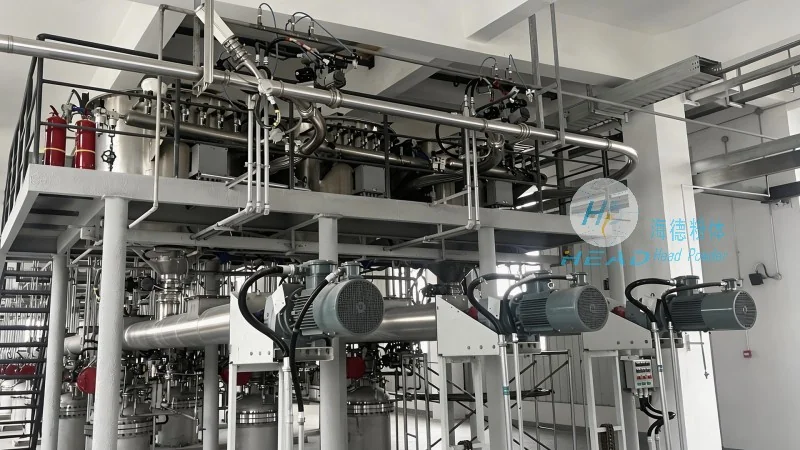
Mechanical Conveying Methods
Mechanical conveying methods are another effective approach for gypsum gray powder transport, particularly in applications where pneumatic systems are not suitable or cost-prohibitive. These systems rely on mechanical components like belts, screws, and buckets to move the material. The most common mechanical conveying equipment for gypsum gray powder includes belt conveyors, screw conveyors, and bucket elevators. Belt conveyors are ideal for horizontal or slight incline transport, providing a continuous and reliable flow of material. Screw conveyors, also known as augers, are suitable for vertical or inclined transport and can handle a wide range of powder types, including gypsum gray powder. They are compact and can be installed in tight spaces, making them a popular choice for industrial settings. Bucket elevators are used for vertical transport and can handle large volumes of material, but they require more maintenance and are generally more expensive than other mechanical options. Mechanical conveying systems are generally more energy-efficient than pneumatic systems and can handle larger particle sizes or sticky materials that might clog pneumatic lines. However, they may be less flexible in terms of layout changes and can be more prone to material buildup or wear on components.
Hybrid Conveying Systems
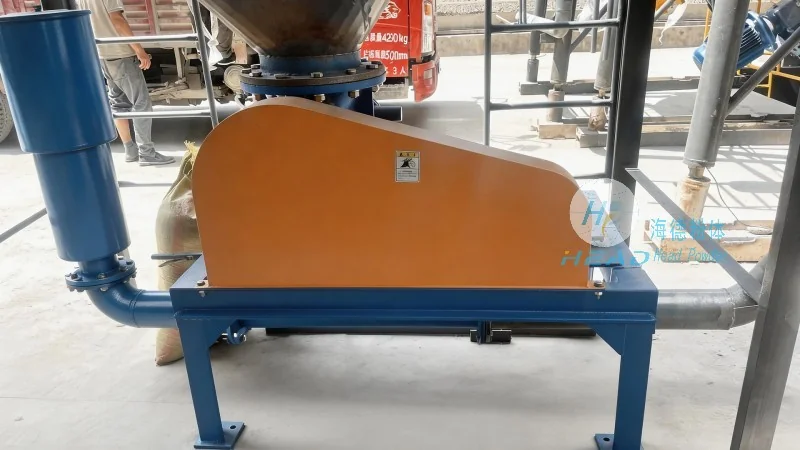
Hybrid conveying systems combine the benefits of pneumatic and mechanical methods to address the limitations of each approach. These systems often use pneumatic transport for the initial stage, such as moving the powder from a storage silo to a processing unit, and then switch to mechanical conveyors for the final delivery to the production line. This hybrid approach allows for efficient material handling while reducing energy consumption and maintenance costs. For example, a hybrid system might use a pressure pneumatic conveyor to transport gypsum gray powder from a silo to a hopper, and then use a screw conveyor to move the material into a mixer or processing machine. Hybrid systems are particularly useful in applications where the material needs to be transported over long distances but with varying elevation changes, as they can adapt to different transport requirements. They also provide greater flexibility in handling different material properties, such as varying moisture content or particle size distributions.
Key Considerations for Selecting a Conveying Method
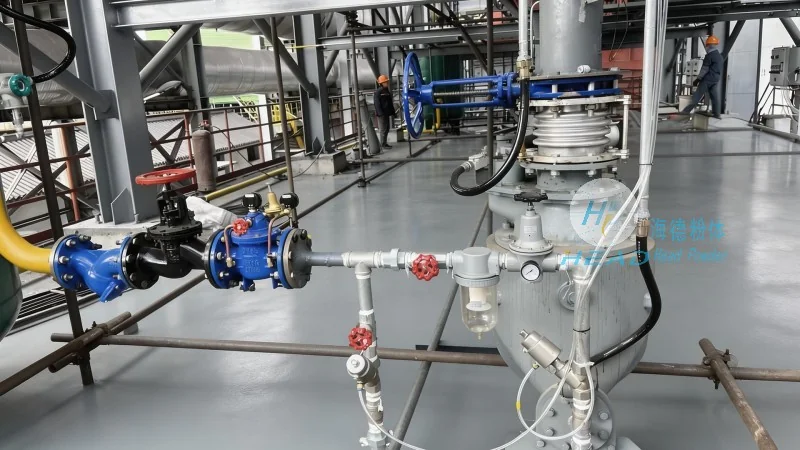
When choosing a conveying method for gypsum gray powder, several factors must be considered to ensure optimal performance and cost-effectiveness. The first consideration is the material properties of the gypsum gray powder, including its particle size, moisture content, and flowability. Fine powders with high moisture content may require special handling to prevent clogging or material degradation. The second factor is the distance and layout of the transport route, as different methods are better suited for short or long distances. For example, pneumatic systems are more suitable for long distances, while mechanical systems are better for short horizontal or vertical transport. The third consideration is the required material flow rate and capacity, as some systems can handle higher volumes than others. Additionally, the environmental and safety requirements of the facility must be taken into account, as some conveying methods may generate dust or require additional safety measures. Finally, the cost of installation, operation, and maintenance should be evaluated to determine the most economical option for the specific application.
Conclusion
In conclusion, gypsum gray powder conveying can be effectively achieved through various methods, each with its own advantages and limitations. Pneumatic conveying offers flexibility and long-distance transport capabilities, while mechanical conveying provides energy efficiency and reliability for shorter distances. Hybrid systems combine the benefits of both approaches to address specific industrial needs. The choice of conveying method depends on a range of factors, including material properties, transport distance, and operational requirements. By carefully evaluating these factors, industrial facilities can select the most suitable conveying system for their gypsum gray powder transport needs, ensuring efficient operation and minimal material loss. Shandong HeadPowder Engineering Co., Ltd., a leading provider of industrial conveying solutions, specializes in designing and implementing customized conveying systems tailored to the unique requirements of each client. With years of experience in the industry, the company offers expert guidance and high-quality equipment to optimize gypsum gray powder handling in various applications.

 Shandong Headpowder Engineering Co., Ltd.
 156-6277-7102(Quản lý Trương)
  0531-83386006
  Thành phố Tế Nam, Tỉnh Sơn Đông, Trung Quốc
Điện thoại
WeChatTư vấn
Lên đầu