Với hơn 10 năm kinh nghiệm về vận chuyển khí nén, Headpowder Sơn Đông cung cấp hệ thống, thiết bị và quạt gió toàn chuỗi, đảm nhận các dự án kỹ thuật bột trọn gói trên toàn quốc.
When it comes to transporting cement dry ash, selecting the right conveying method is crucial for efficiency, cost-effectiveness, and operational safety. Various technologies are available, each with its own advantages and applications. This article explores the primary methods used for cement dry ash conveying, highlighting the key factors that influence the choice of system.
Understanding Cement Dry Ash and Conveying Needs
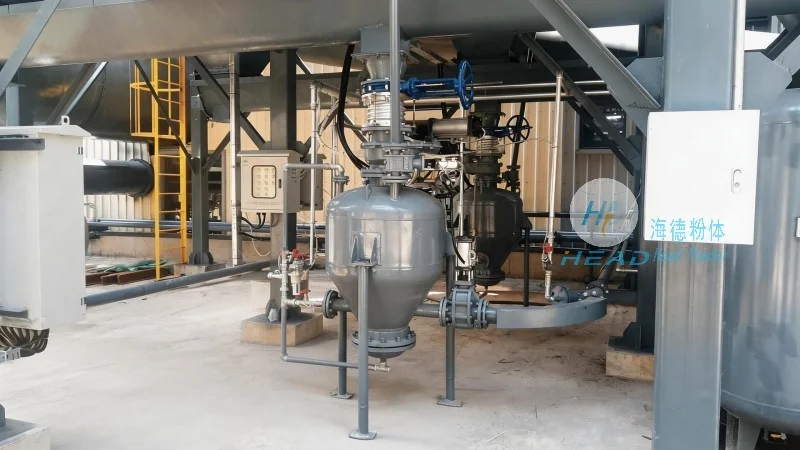
Cement dry ash, also known as fly ash or pulverized fuel ash, is a byproduct of coal combustion in power plants. It is a fine, powdery material that is often used as a supplementary cementitious material in concrete production. The challenge in conveying this material lies in its dustiness, light weight, and tendency to settle quickly, which can affect the performance of traditional conveying systems. Therefore, specialized equipment and methods are required to ensure reliable and efficient transport.
Common Conveying Methods for Cement Dry Ash
Several methods are widely used in the industry to handle cement dry ash, each tailored to specific operational requirements and material characteristics. The most common approaches include:
A. Air-Pneumatic Conveying Systems
Air-pneumatic conveying, or pneumatic conveying, is one of the most popular methods for transporting cement dry ash. This system uses a combination of air pressure and vacuum to move the material through a pipeline. There are two main types: pressure and vacuum systems. Pressure systems use compressed air to push the material forward, while vacuum systems use a vacuum to pull the material into the pipeline. Both types can be further classified as dilute-phase or dense-phase systems, depending on the air-to-material ratio.
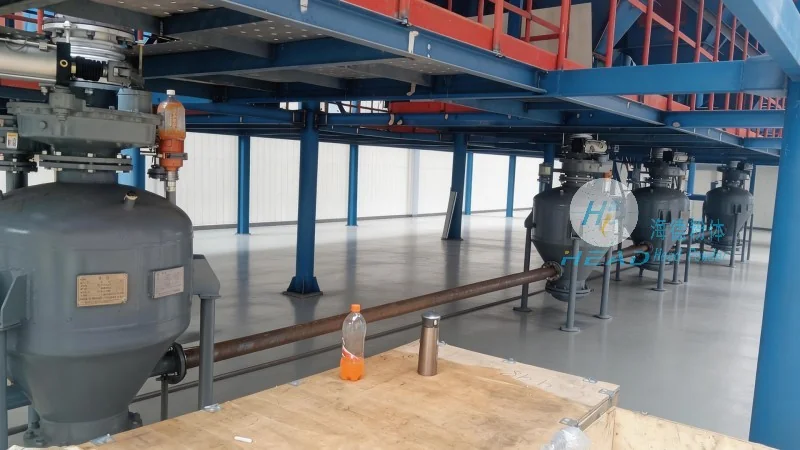
For cement dry ash, dilute-phase systems are often preferred due to their ability to handle high volumes of material over long distances with relatively low energy consumption. These systems typically operate at air velocities above the material's terminal velocity, ensuring that the material is suspended and transported efficiently. Dense-phase systems, on the other hand, use lower air velocities and higher material concentrations, which can be beneficial for handling abrasive or sticky materials but may require more energy.
B. Mechanical Conveying Systems
Mechanical conveying systems, such as belt conveyors, screw conveyors, and bucket elevators, are also used for cement dry ash transport. These systems rely on mechanical components to move the material. Belt conveyors are commonly used for horizontal or slightly inclined transport, while screw conveyors are suitable for vertical or inclined transport. Bucket elevators are ideal for vertical lifting of dry ash from lower to higher levels.
One of the key advantages of mechanical conveyors is their ability to handle a wide range of material sizes and moisture contents. They are also relatively simple to install and maintain, making them a cost-effective option for many applications. However, mechanical systems may be less efficient for long-distance transport and can generate more dust compared to pneumatic systems.
C. Hybrid Conveying Systems
Hybrid systems combine the benefits of both pneumatic and mechanical conveying. For example, a system might use a pneumatic conveyor to transport the material from a storage silo to a mechanical conveyor for final delivery to the concrete plant. This approach allows for the efficient handling of dry ash over long distances while utilizing the reliability of mechanical systems for the final stage of transport.
Factors Influencing the Choice of Conveying Method
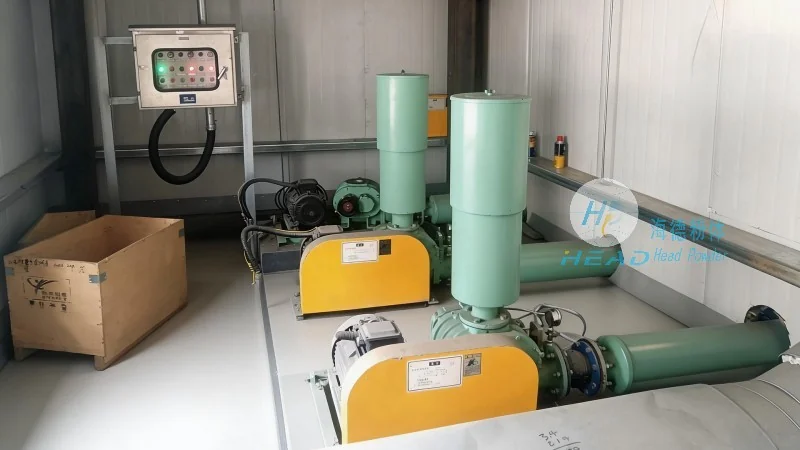
The selection of a conveying method for cement dry ash depends on several factors, including the distance to be covered, the volume of material to be transported, the required material handling speed, and the available space and budget. Other considerations include the material's characteristics, such as its dustiness, moisture content, and abrasiveness, as well as the need for dust control and environmental compliance.
Case Study: Application by Shandong HeadPowder Engineering Co., Ltd.
Shandong HeadPowder Engineering Co., Ltd., a leading provider of cement dry ash handling solutions, has extensive experience in implementing various conveying systems for clients across China. The company specializes in designing and manufacturing customized conveying systems that meet the specific needs of each project. For instance, a client in Shandong province required a system to transport dry ash from a power plant to a nearby concrete plant over a distance of 5 kilometers. HeadPowder engineers recommended a dilute-phase pneumatic conveying system, which was installed and commissioned successfully, achieving the required material flow rate while minimizing energy consumption and dust emissions.
Conclusion
In conclusion, the choice of cement dry ash conveying method depends on a combination of operational, technical, and economic factors. Air-pneumatic systems are often preferred for long-distance and high-volume transport due to their efficiency and ability to handle dusty materials. Mechanical systems offer a cost-effective alternative for shorter distances or when material characteristics require mechanical handling. Hybrid systems can provide the best of both worlds, combining the benefits of pneumatic and mechanical transport. By carefully evaluating the specific requirements of the project, companies can select the most suitable conveying method to ensure reliable and efficient transport of cement dry ash.

 Shandong Headpowder Engineering Co., Ltd.
 156-6277-7102(Quản lý Trương)
  0531-83386006
  Thành phố Tế Nam, Tỉnh Sơn Đông, Trung Quốc
Điện thoại
WeChatTư vấn
Lên đầu