Với hơn 10 năm kinh nghiệm về vận chuyển khí nén, Headpowder Sơn Đông cung cấp hệ thống, thiết bị và quạt gió toàn chuỗi, đảm nhận các dự án kỹ thuật bột trọn gói trên toàn quốc.
When it comes to the efficient and reliable movement of soybeans from production sites to processing facilities or distribution centers, selecting the right transportation method is crucial. The choice of transport depends on various factors including the volume of soybeans, distance, cost considerations, and the need for minimal damage to the product. Here, we explore the primary methods used for soybean transportation, highlighting their advantages and practical applications.
1. Bulk Truck Transportation
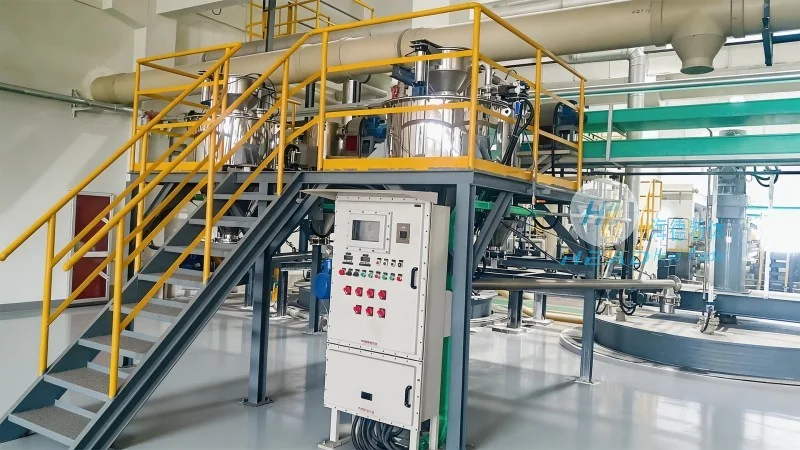
Bulk truck transportation is one of the most common and versatile methods for moving soybeans. This approach involves loading soybeans into specialized trucks designed to handle bulk commodities. The trucks are equipped with features such as airtight compartments and gentle agitation systems to prevent the soybeans from being crushed or damaged during transit. This method is particularly effective for short to medium distances, allowing for direct delivery to processing plants or storage facilities. The flexibility of truck transport also enables companies to adjust their shipping schedules based on demand fluctuations, making it a preferred choice for many soybean producers and processors.
2. Railway Car Transportation
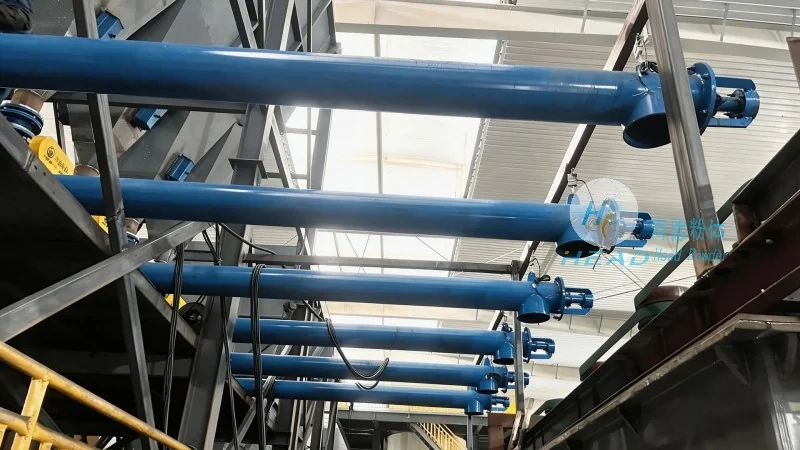
For long-distance transportation of soybeans, railway cars offer a cost-effective and environmentally friendly solution. Specialized railcars, often called hopper cars or covered wagons, are used to transport large quantities of soybeans. These railcars are designed to minimize spillage and maintain the quality of the cargo. The use of rail transport reduces the carbon footprint compared to road transport, as it is more energy-efficient and can carry significantly higher volumes. Companies like Shandong HeadPowder Engineering Co., Ltd. may utilize railway networks to move soybeans from major production regions in China, such as Shandong, to other parts of the country or even international markets. The reliability of rail transport, coupled with its ability to handle large volumes, makes it an attractive option for bulk soybean movement.
3. Barge and Waterway Transportation
Transporting soybeans via barges and waterways is another viable option, especially when moving large quantities over long distances along rivers or coastal routes. Barges are large, flat-bottomed vessels that can carry substantial loads of soybeans. This method is particularly advantageous for regions with extensive waterway networks, as it reduces road congestion and lowers transportation costs. The use of waterway transport also minimizes the environmental impact compared to road or rail transport, as it produces fewer emissions. However, the availability of suitable waterways and the need for port facilities can limit the applicability of this method in some areas. Companies operating in areas with access to major rivers or coastal ports may find barge transport to be a cost-effective solution for moving soybeans to domestic or international markets.
4. Containerized Sea Freight

For international trade, containerized sea freight is the most common method for transporting soybeans. Soybeans are loaded into standard shipping containers, which provide protection from moisture, pests, and physical damage during transit. This method allows for the consolidation of shipments from multiple producers, enabling efficient use of shipping capacity. Containerized transport is particularly suitable for long-distance international movements, as it offers high security and ease of handling at ports. Companies like Shandong HeadPowder Engineering Co., Ltd. may utilize containerized sea freight to export soybeans to global markets, ensuring that the product reaches its destination in optimal condition. The use of standardized containers also facilitates seamless integration with other modes of transport, such as trucks or rail, at the port of origin and destination.
5. Intermodal Transportation
Intermodal transportation combines two or more modes of transport to move soybeans from the production site to the final destination. This approach often involves using a combination of trucks, rail, and ships. For example, soybeans may be loaded onto trucks at the farm, transported to a rail terminal, and then moved by rail to a port, where they are loaded onto a ship for international delivery. Intermodal transport offers flexibility and can optimize costs by leveraging the strengths of each mode. It is particularly useful for complex supply chains that require multiple transportation stages. Companies may choose intermodal solutions to enhance efficiency and reduce overall transportation costs, especially when dealing with large volumes of soybeans over long distances.
6. Specialized Equipment and Handling
Regardless of the primary transportation method, specialized equipment and handling techniques are essential to ensure the quality of soybeans during transit. This includes the use of conveyor systems, loading and unloading equipment, and storage containers designed to maintain the integrity of the product. Proper handling practices, such as avoiding excessive vibration and maintaining appropriate temperature and humidity levels, are critical to prevent spoilage or damage. Companies like Shandong HeadPowder Engineering Co., Ltd. invest in advanced equipment and training to ensure that their soybean transportation processes meet industry standards and customer expectations. The use of technology, such as real-time tracking and monitoring systems, further enhances the efficiency and reliability of soybean transport operations.
7. Factors Influencing Transportation Method Selection

The choice of soybean transportation method is influenced by several key factors. These include the volume of soybeans to be transported, the distance between the production and destination points, the cost of each mode, and the need for speed or flexibility. For small volumes over short distances, truck transport may be the most practical option. For large volumes over long distances, rail or waterway transport may offer better cost efficiency. Companies must also consider the availability of infrastructure, such as ports or rail networks, and the regulatory requirements for transporting agricultural products. By carefully evaluating these factors, companies can select the most suitable transportation method to meet their specific needs and ensure the successful movement of soybeans from farm to market.
8. Conclusion
In conclusion, the transportation of soybeans involves a range of methods, each with its own advantages and limitations. Bulk truck transportation offers flexibility and direct delivery, while railway and waterway transport provide cost-effective solutions for large volumes over long distances. Containerized sea freight is essential for international trade, and intermodal transport combines the strengths of multiple modes. The selection of the optimal transportation method depends on various factors, including volume, distance, cost, and infrastructure availability. Companies like Shandong HeadPowder Engineering Co., Ltd. play a vital role in the soybean supply chain by implementing efficient transportation strategies that ensure the quality and timely delivery of soybeans. By leveraging the right transportation methods and specialized equipment, these companies contribute to the smooth operation of the global soybean market.

 Shandong Headpowder Engineering Co., Ltd.
 156-6277-7102(Quản lý Trương)
  0531-83386006
  Thành phố Tế Nam, Tỉnh Sơn Đông, Trung Quốc
Điện thoại
WeChatTư vấn
Lên đầu