Với hơn 10 năm kinh nghiệm về vận chuyển khí nén, Headpowder Sơn Đông cung cấp hệ thống, thiết bị và quạt gió toàn chuỗi, đảm nhận các dự án kỹ thuật bột trọn gói trên toàn quốc.
When it comes to the efficient handling and transportation of buckwheat hulls, selecting the right conveying method is crucial for optimizing production processes in agricultural and food processing industries. Buckwheat hulls, also known as buckwheat husks, are the outer protective coverings of the buckwheat seed and are often used as a byproduct in various applications such as animal feed, biofuel, and as a component in some food products. The effective conveyance of these hulls requires specialized equipment designed to handle their unique characteristics, including their lightweight nature and potential for dust generation. In this article, we explore the common methods employed for buckwheat hull conveying, focusing on the technical aspects and practical applications of each approach.
1. Screw Conveyors for Buckwheat Hulls
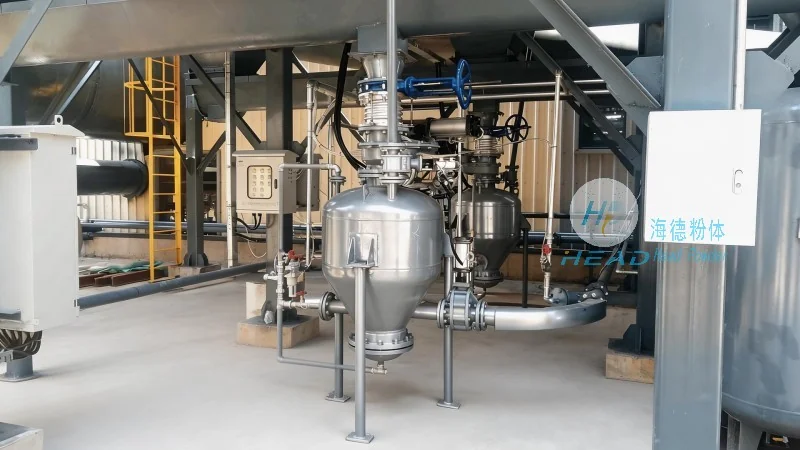
Screw conveyors, also known as auger conveyors, are among the most widely used equipment for transporting buckwheat hulls. These systems consist of a rotating helical screw blade mounted inside a U-shaped or cylindrical trough. The screw rotates, pushing the hulls forward along the trough. For buckwheat hulls, screw conveyors are particularly effective due to their ability to handle dry, free-flowing materials without the need for additional bulk handling aids. The design of the screw pitch and diameter can be adjusted to control the speed and capacity of the conveying process. In applications involving buckwheat hulls, screw conveyors are often used in combination with other equipment, such as hoppers and storage silos, to create a seamless material flow from collection to processing. The smooth operation of screw conveyors ensures minimal material degradation, which is essential for maintaining the quality of buckwheat hulls intended for specific uses like animal feed or biofuel production.
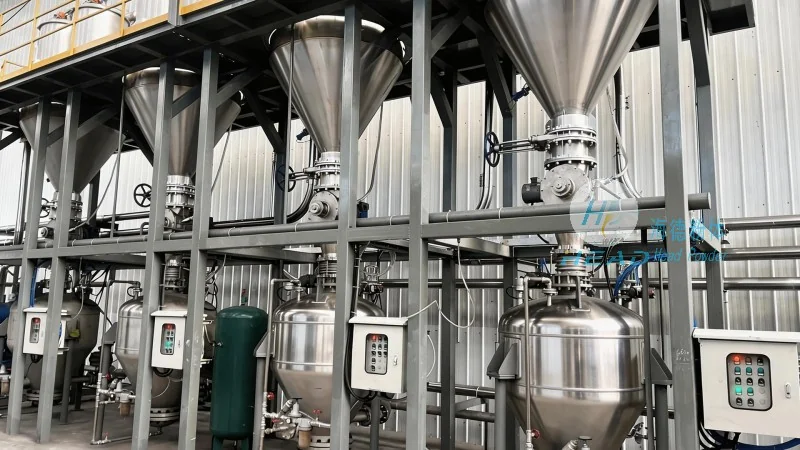
2. Belt Conveyors in Buckwheat Hull Handling
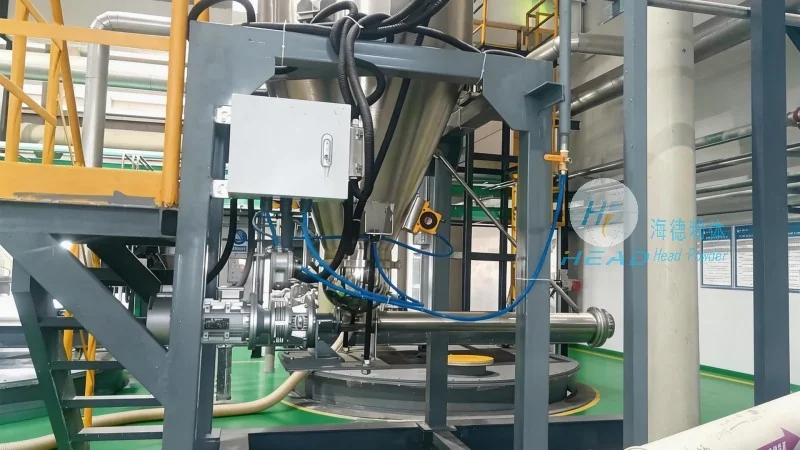
Belt conveyors represent another common method for conveying buckwheat hulls, especially in larger-scale operations where high throughput is required. These systems utilize a continuous belt, typically made of durable materials like rubber or PVC, that moves over rollers or pulleys. Buckwheat hulls are placed on the belt and transported to the desired location. Belt conveyors are particularly advantageous for transporting hulls over longer distances or at higher speeds compared to screw conveyors. They are also suitable for handling bulk quantities of hulls, making them ideal for processing facilities that process large volumes of buckwheat. The design of the belt conveyor, including the angle of inclination and the speed of the belt, can be optimized to match the specific characteristics of the buckwheat hulls being handled. Additionally, belt conveyors can be equipped with side walls or chutes to prevent material spillage and ensure a clean, efficient transfer process. This method is widely adopted in industries where the consistent and reliable movement of bulk materials is critical.
3. Pneumatic Conveying Systems for Buckwheat Hulls
Pneumatic conveying systems offer a different approach to transporting buckwheat hulls, utilizing air pressure to move the material through a pipeline. These systems consist of a series of pipes, air movers (such as blowers or fans), and control valves. Buckwheat hulls are introduced into the system and are carried by the moving air, which propels them through the pipeline to the destination. Pneumatic conveying is particularly effective for handling dusty or fine materials like buckwheat hulls, as it minimizes the risk of material degradation and contamination. The system can be designed as either a positive pressure or negative pressure system, depending on the specific requirements of the application. Positive pressure systems use blowers to force air and material through the pipeline, while negative pressure systems use suction to draw the material into the system. Pneumatic conveying is often used in applications where the hulls need to be transported over long distances or through complex layouts, such as in large processing plants or storage facilities. This method provides a flexible and efficient solution for conveying buckwheat hulls, especially when space constraints or the need for enclosed transport are a consideration.
4. Bucket Elevators for Vertical Buckwheat Hull Conveying
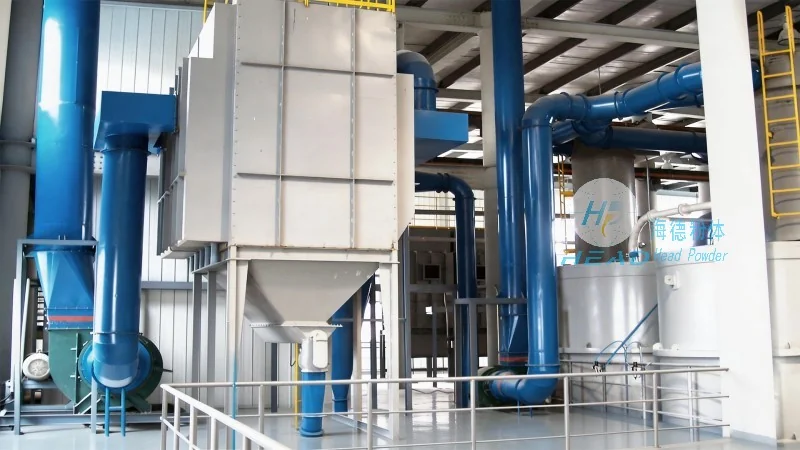
For applications requiring vertical movement of buckwheat hulls, bucket elevators are a common and effective solution. These systems consist of a vertical or inclined conveyor with buckets attached to a rotating chain or belt. The buckets are filled with buckwheat hulls as they move up the elevator, and then discharged at the top. Bucket elevators are particularly suitable for transporting hulls from lower to higher levels, such as from a storage bin to a processing machine or from a ground-level collection point to an elevated storage silo. The design of the bucket elevator, including the size of the buckets and the speed of the chain, can be customized to handle the specific volume and characteristics of the buckwheat hulls. This method ensures a continuous and reliable vertical transport of hulls, minimizing the risk of material spillage and loss. Bucket elevators are widely used in agricultural and food processing facilities where vertical space is available and the need to move hulls vertically is a key requirement. The efficiency of bucket elevators makes them a preferred choice for many operations handling buckwheat hulls.

 Shandong Headpowder Engineering Co., Ltd.
 156-6277-7102(Quản lý Trương)
  0531-83386006
  Thành phố Tế Nam, Tỉnh Sơn Đông, Trung Quốc
Điện thoại
WeChatTư vấn
Lên đầu