Với hơn 10 năm kinh nghiệm về vận chuyển khí nén, Headpowder Sơn Đông cung cấp hệ thống, thiết bị và quạt gió toàn chuỗi, đảm nhận các dự án kỹ thuật bột trọn gói trên toàn quốc.
When it comes to the transportation of zinc oxide, there are several common methods employed by industries to ensure safe and efficient delivery. Understanding these methods is crucial for businesses involved in the supply chain, as it directly impacts logistics, cost, and product integrity. This article will explore the primary approaches used for transporting zinc oxide, highlighting their applications and considerations.
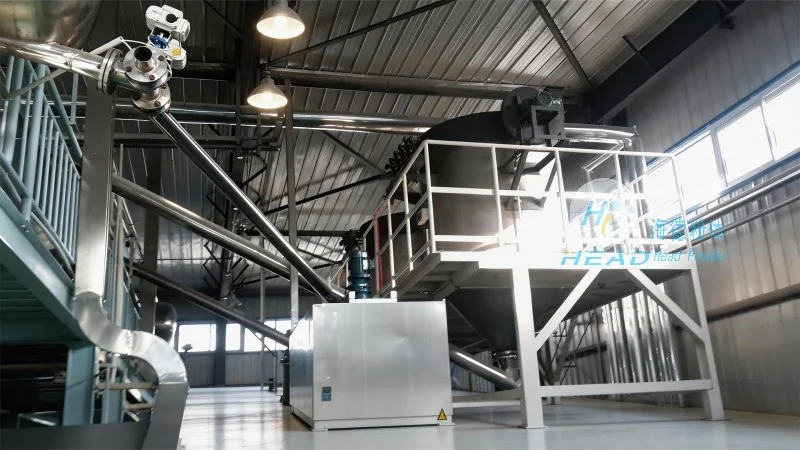
Overview of Zinc Oxide Transportation
Zinc oxide is a widely used chemical compound in various industries, including pharmaceuticals, rubber, and cosmetics. Its transportation requires careful handling due to its properties and the need to maintain purity. The methods used depend on factors such as the quantity of the material, destination, and regulatory requirements. Common transportation methods include bulk shipping, packaged shipping, and specialized transport solutions. Each method has its advantages and is chosen based on specific operational needs.
1. Bulk Transportation via Trucks and Railcars
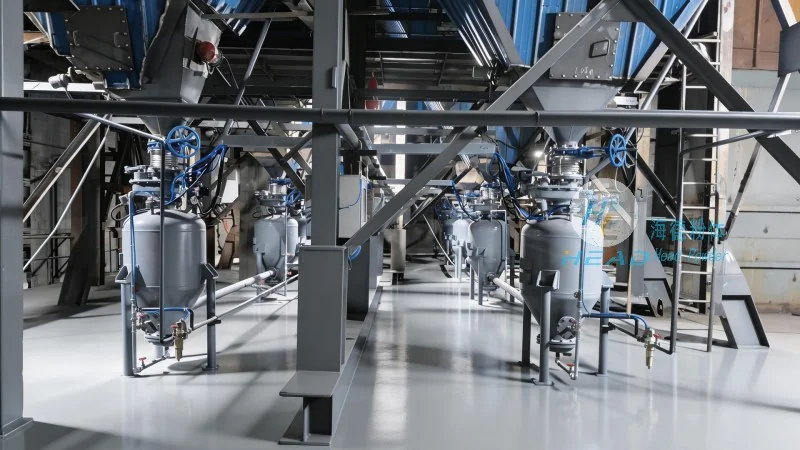
For large-scale transportation of zinc oxide, bulk methods are often preferred. Trucks and railcars are commonly used to move significant quantities of the material from manufacturing facilities to distribution centers or end-users. This approach is particularly effective for long-distance transport and can accommodate high volumes efficiently. The material is typically stored in bulk containers or silos at the origin, then transferred into transport vehicles. During transit, proper ventilation and temperature control are essential to prevent degradation or contamination. This method is cost-effective for high-volume shipments and is widely adopted in the chemical industry.
2. Packaged Shipping in Containers and Bags
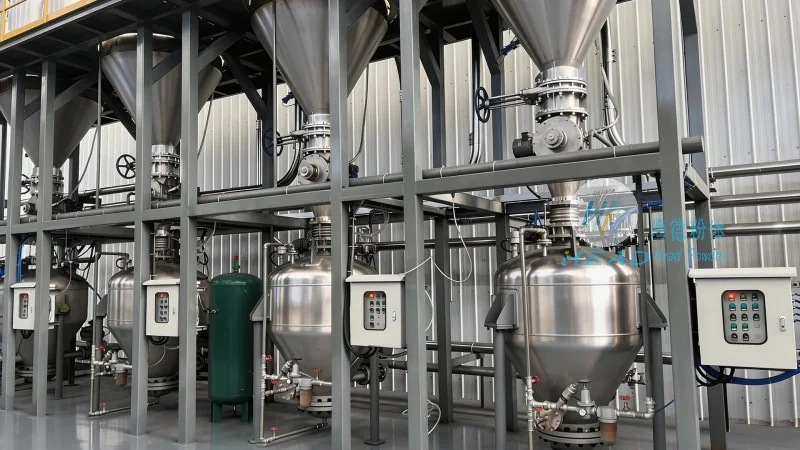
For smaller quantities or when specific handling requirements are needed, packaged shipping is a common alternative. Zinc oxide is often packaged in sturdy containers, such as fiber drums, plastic pails, or multi-wall paper bags. These containers are designed to protect the material from moisture, dust, and physical damage. The packaging also ensures compliance with safety regulations, as zinc oxide can be a respiratory irritant if not handled properly. This method is suitable for regional deliveries or when the material needs to be stored at the destination before use. The choice of packaging material depends on the intended application and the destination's storage conditions.
3. Specialized Transport Solutions for Hazardous Materials
Given that zinc oxide is classified as a hazardous material in some contexts, specialized transport solutions are sometimes required. These may include the use of temperature-controlled vehicles or specialized containers that meet specific safety standards. For example, in pharmaceutical applications, where the purity of zinc oxide is critical, transport may involve insulated containers to maintain a stable temperature. Additionally, some regions may have stricter regulations for transporting chemicals, necessitating the use of certified transport providers. This ensures that the material is handled in accordance with local laws and industry best practices, minimizing risks associated with handling hazardous substances.
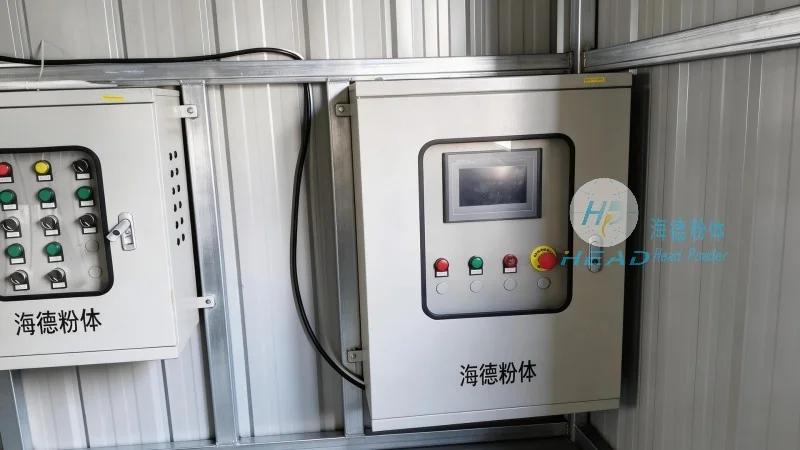
4. Intermodal Transportation for Extended Distances
Intermodal transportation, which combines multiple modes of transport (e.g., truck to rail to ship), is another common method for transporting zinc oxide over extended distances. This approach allows for flexibility in logistics and can reduce costs by leveraging the strengths of each transport mode. For instance, a shipment may start with a truck from the manufacturer to a rail terminal, then be transferred to a freight train for long-distance travel, and finally delivered by truck to the final destination. This method is particularly useful for international shipments, as it can optimize transit times and reduce the need for multiple handling steps. Intermodal transport also helps in managing inventory and ensuring timely delivery to global markets.
Conclusion and Recommendations
Choosing the appropriate method for zinc oxide transportation is essential for maintaining product quality and ensuring compliance with safety and regulatory standards. Businesses should consider factors such as volume, destination, and regulatory requirements when selecting a transport method. For bulk shipments, trucks and railcars are efficient and cost-effective. For smaller quantities or when specific handling is needed, packaged shipping is a reliable option. Specialized transport solutions may be necessary for hazardous applications, while intermodal transport offers flexibility for long-distance deliveries. By understanding these methods and their applications, companies can optimize their logistics and ensure the safe and efficient delivery of zinc oxide to their customers.

 Shandong Headpowder Engineering Co., Ltd.
 156-6277-7102(Quản lý Trương)
  0531-83386006
  Thành phố Tế Nam, Tỉnh Sơn Đông, Trung Quốc
Điện thoại
WeChatTư vấn
Lên đầu