Với hơn 10 năm kinh nghiệm về vận chuyển khí nén, Headpowder Sơn Đông cung cấp hệ thống, thiết bị và quạt gió toàn chuỗi, đảm nhận các dự án kỹ thuật bột trọn gói trên toàn quốc.
For industrial applications that require the efficient and safe handling of calcium oxide dry powder, selecting the appropriate transport method is crucial. The choice of transport system impacts operational efficiency, material integrity, and overall process safety. This article explores the primary methods used for transporting calcium oxide dry powder, highlighting the considerations that influence the selection process.
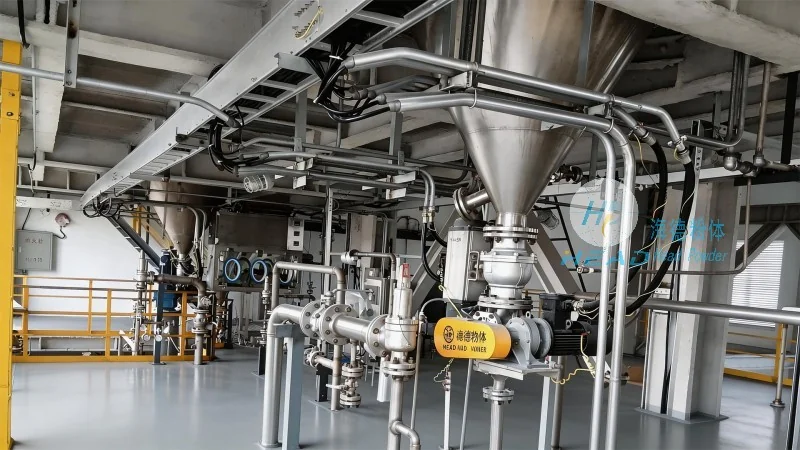
As a leading provider in the field, Shandong HeadPowder Engineering Co., Ltd., often referred to as HeadPowder, specializes in engineering solutions for bulk material handling. With a focus on reliability and innovation, the company has developed advanced systems tailored to the unique properties of calcium oxide, ensuring optimal performance in various industrial settings.
1. Pneumatic Conveying Systems
Pneumatic conveying, or air-based transport, is a widely used method for calcium oxide dry powder due to its ability to handle fine powders over long distances. This system operates by using compressed air to move the material through a pipeline. There are two main types: pressure and vacuum systems. Pressure systems are suitable for short to medium distances and can handle larger quantities, while vacuum systems are ideal for longer distances or when the material needs to be transported from multiple sources. The choice between these depends on factors such as the distance, the volume of material, and the required flow rate. Pneumatic conveying offers advantages like minimal product degradation, as the material is not in direct contact with mechanical components, and the ability to integrate with other process equipment. However, it requires careful design to prevent dust accumulation and ensure consistent air flow.
2. Mechanical Conveying Systems
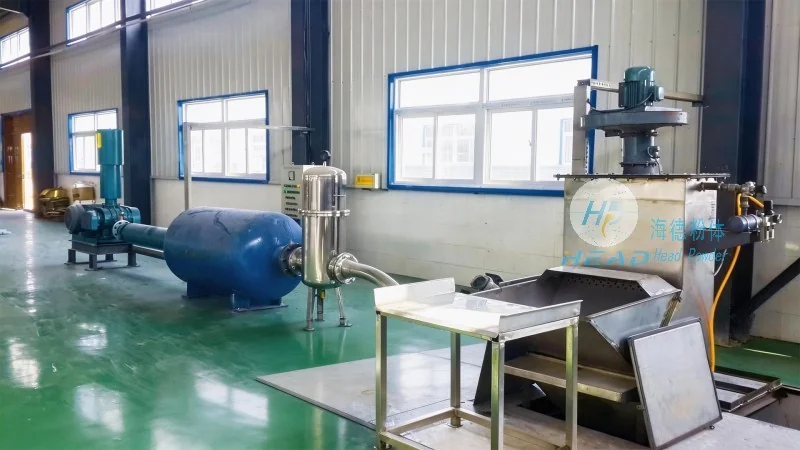
Mechanical conveying systems utilize physical components to move calcium oxide dry powder. The most common types include screw conveyors and belt conveyors. Screw conveyors, also known as auger conveyors, are ideal for vertical or inclined transport, as they can lift the material while moving it horizontally. These systems are particularly effective for handling free-flowing powders like calcium oxide, as they minimize the risk of clogging. Belt conveyors, on the other hand, are suitable for horizontal or slightly inclined transport and can handle larger volumes. They are often used in combination with other equipment, such as hoppers and feeders, to create a seamless material handling process. Mechanical conveyors are generally more cost-effective for shorter distances and lower flow rates compared to pneumatic systems. However, they may require more maintenance and can be less efficient for fine powders, as there is a higher risk of material degradation from friction and abrasion.
3. Hydraulic Conveying Systems
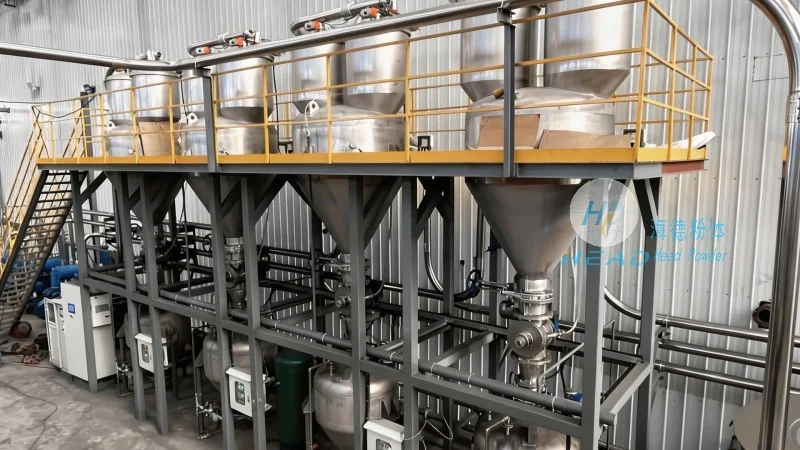
Hydraulic conveying systems use water or other liquids to transport calcium oxide dry powder. This method is particularly useful for materials that are difficult to handle with air or mechanical systems, such as those with high moisture content or sticky properties. The system operates by mixing the powder with water to form a slurry, which is then pumped through a pipeline. The slurry is later separated, and the water is recycled. Hydraulic conveying offers the advantage of being able to transport materials over long distances with minimal pressure loss. It is also effective for handling abrasive materials, as the liquid acts as a lubricant. However, this method requires additional equipment for slurry preparation and separation, increasing the overall cost and complexity of the system. Additionally, the presence of water can lead to material degradation if the powder is not properly dried before or after transport.
4. Factors Influencing the Choice of Transport Method
The selection of the most appropriate transport method for calcium oxide dry powder depends on several key factors. The first is the distance over which the material needs to be transported. For short distances, mechanical conveyors may be sufficient, while pneumatic systems are better for longer distances. The second factor is the volume of material to be handled. Large volumes may require high-capacity systems like pressure pneumatic or belt conveyors. The third factor is the physical properties of the calcium oxide, such as particle size, moisture content, and flowability. Fine powders may require more careful handling to prevent dust generation and clogging, while cohesive powders may need additional equipment like vibrators or air knives to maintain flow. Finally, the overall cost and maintenance requirements must be considered. Mechanical systems are generally lower in cost but may require more frequent maintenance, while pneumatic systems have higher initial costs but lower long-term maintenance.
5. HeadPowder's Expertise in Calcium Oxide Transport
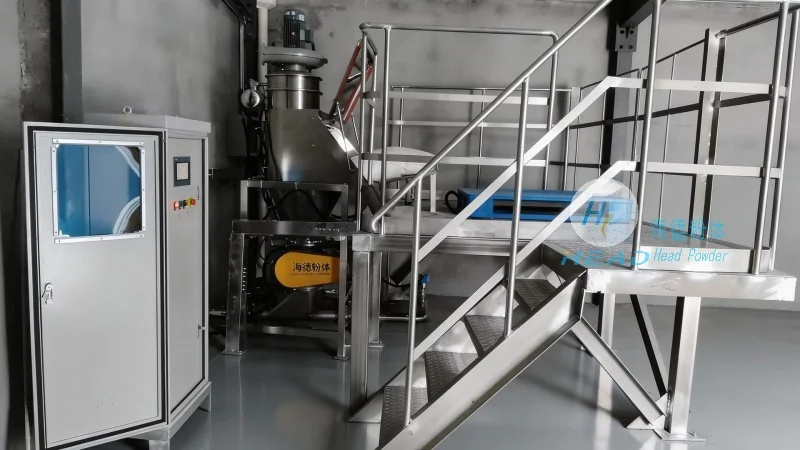
Shandong HeadPowder Engineering Co., Ltd. leverages its expertise in bulk material handling to provide customized transport solutions for calcium oxide. The company's engineers work closely with clients to assess their specific needs, including the scale of operation, the distance of transport, and the desired flow rate. By analyzing these factors, HeadPowder can recommend the most suitable system, whether it is a pneumatic conveyor, a mechanical conveyor, or a hybrid system. The company also offers installation, commissioning, and maintenance services to ensure that the transport system operates efficiently and safely. With a focus on quality and reliability, HeadPowder has built a reputation for delivering solutions that meet the unique requirements of its clients, helping them optimize their calcium oxide handling processes and improve overall productivity.

 Shandong Headpowder Engineering Co., Ltd.
 156-6277-7102(Quản lý Trương)
  0531-83386006
  Thành phố Tế Nam, Tỉnh Sơn Đông, Trung Quốc
Điện thoại
WeChatTư vấn
Lên đầu