Với hơn 10 năm kinh nghiệm về vận chuyển khí nén, Headpowder Sơn Đông cung cấp hệ thống, thiết bị và quạt gió toàn chuỗi, đảm nhận các dự án kỹ thuật bột trọn gói trên toàn quốc.
When it comes to material handling and transportation, the choice of conveying system is critical for efficiency, durability, and cost-effectiveness. Polyurethane, known for its excellent abrasion resistance, flexibility, and chemical resistance, has become a preferred material in the manufacturing of conveyor belts and components. Understanding the various methods of polyurethane conveying is essential for selecting the right solution for specific industrial applications. This article explores the primary methods of polyurethane conveying, highlighting their applications and advantages, with a focus on the expertise of Shandong HeadPowder Engineering Co., Ltd., a leading manufacturer based in Shandong, China.
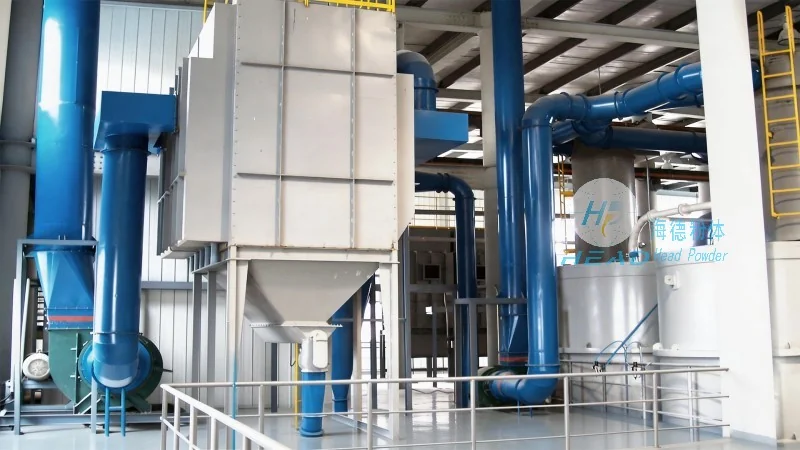
1. Belt Conveying Systems
Belt conveying is one of the most common methods of polyurethane conveying, widely used in industries such as mining, agriculture, and manufacturing. The core component of this system is the polyurethane conveyor belt, which is designed to transport bulk materials over long distances with minimal maintenance. The belt is typically supported by rollers or idlers, ensuring smooth movement and reducing friction. Polyurethane belts are preferred over traditional rubber belts due to their superior resistance to abrasion and chemicals, making them ideal for handling abrasive or corrosive materials. The design of the belt, including its thickness, width, and reinforcement, can be customized to meet the specific requirements of the application, such as high load capacity or low noise operation. For instance, in the mining industry, polyurethane conveyor belts are used to transport coal, ore, and other minerals, where their durability and resistance to wear are crucial. In agricultural settings, they are used to convey grains, seeds, and other bulk agricultural products, ensuring efficient processing and minimal material loss.
2. Screw Conveyors
Screw conveyors, also known as auger conveyors, are another effective method of polyurethane conveying, particularly for handling dry, free-flowing materials. These systems consist of a rotating helical screw inside a trough or tube, which moves material from one end to the other. The screw is typically made of polyurethane, which provides excellent resistance to abrasion and corrosion, making it suitable for materials that would otherwise damage metal or plastic components. Screw conveyors are ideal for vertical or inclined transport, as well as horizontal movement, and can be designed to handle a wide range of materials, from powders to small granules. The speed and direction of the screw can be adjusted to control the flow rate and prevent material buildup. In the chemical industry, screw conveyors with polyurethane components are used to transport powders and granules, where their chemical resistance is essential. In food processing, they are used to convey ingredients like flour, sugar, and spices, ensuring hygiene and preventing contamination. The compact design of screw conveyors also makes them suitable for applications with limited space, such as in small-scale manufacturing or laboratory settings.
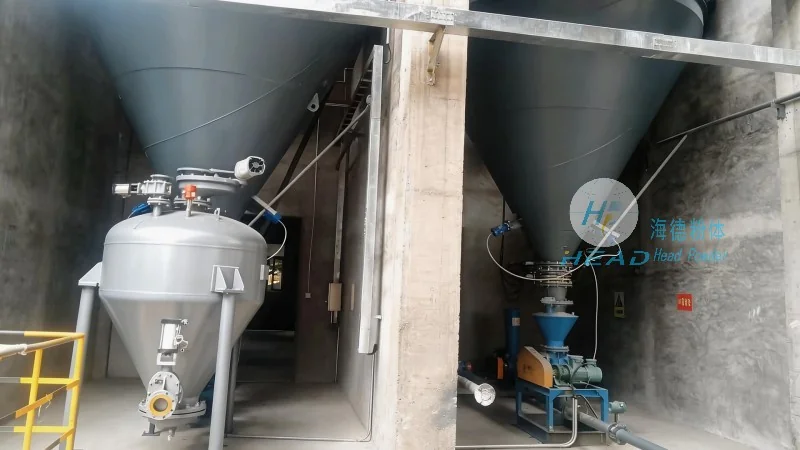
3. Pneumatic Conveying Systems
Pneumatic conveying, or air conveyor systems, use air or gas to transport materials through a pipeline. This method is particularly effective for handling fine powders, granules, and other materials that are difficult to convey using traditional methods. The system typically consists of a hopper, a blower, and a pipeline, with the material being drawn or pushed through the pipeline by the air flow. Polyurethane components, such as hoses, pipes, and valves, are used in pneumatic conveying systems due to their flexibility and resistance to abrasion and chemicals. These components are designed to withstand the pressure and flow rates required for efficient material transport, ensuring long service life and minimal maintenance. Pneumatic conveying is ideal for applications where dust control is a priority, as the material is contained within the pipeline, reducing airborne dust and improving safety. In the pharmaceutical industry, pneumatic conveying systems with polyurethane components are used to transport powders and granules, where hygiene and contamination control are critical. In the chemical industry, they are used to convey abrasive powders and granules, where the durability of polyurethane is essential. The flexibility of pneumatic conveying systems also allows for easy integration with existing equipment, making them a versatile solution for various industrial applications.
4. Vibrating Conveyors
Vibrating conveyors use vibration to move materials along a trough or conveyor. This method is particularly effective for handling bulk materials that are sticky, cohesive, or have a high moisture content. The conveyor consists of a trough that is mounted on a vibrating mechanism, which causes the material to move forward due to the vibration. Polyurethane components, such as the trough lining and the vibrating mechanism, are used in vibrating conveyors due to their flexibility and resistance to abrasion and chemicals. These components are designed to withstand the high vibration and load, ensuring smooth operation and minimal wear. Vibrating conveyors are ideal for applications where material flow is difficult due to stickiness or cohesion, as the vibration helps to break up clumps and ensure consistent flow. In the food industry, vibrating conveyors with polyurethane components are used to transport sticky ingredients like chocolate, sugar, and cereals, ensuring efficient processing and minimal material loss. In the chemical industry, they are used to convey wet or sticky powders, where their resistance to corrosion and abrasion is crucial. The low maintenance requirements of vibrating conveyors also make them a cost-effective solution for industrial applications.
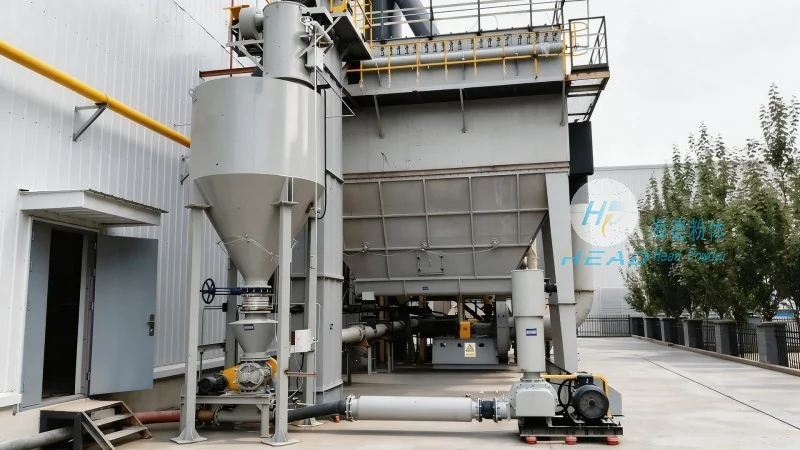
5. Bucket Elevators
Bucket elevators are vertical or inclined conveyors that use buckets attached to a chain or belt to transport materials. This method is particularly effective for handling bulk materials over vertical or steep inclines, where other methods may not be suitable. The buckets are typically made of polyurethane, which provides excellent resistance to abrasion and chemicals, making them ideal for handling abrasive or corrosive materials. The elevator consists of a vertical or inclined trough, with the buckets moving up and down, carrying the material from the bottom to the top. Polyurethane buckets are preferred over metal or plastic buckets due to their durability and flexibility, which helps to prevent material spillage and ensure efficient transport. Bucket elevators are commonly used in industries such as mining, agriculture, and manufacturing, where vertical transport is required. In the mining industry, they are used to transport ore and minerals from the mine to the processing plant, where their resistance to wear and abrasion is essential. In agricultural settings, they are used to transport grains and other bulk agricultural products from storage to processing facilities, ensuring efficient handling and minimal material loss. The high load capacity and vertical transport capability of bucket elevators make them a reliable solution for various industrial applications.
6. Flexible Conveying Systems
Flexible conveying systems use flexible polyurethane hoses or tubes to transport materials. This method is particularly effective for handling materials that are difficult to convey using rigid systems, such as powders, granules, and liquids. The system consists of a flexible hose or tube connected to a pump or blower, which moves the material through the hose. Polyurethane hoses are preferred over metal or plastic hoses due to their flexibility, resistance to abrasion, and chemical resistance, making them suitable for a wide range of materials. Flexible conveying systems are ideal for applications where the conveying path is irregular or changes frequently, as the hose can be easily bent and adjusted. In the chemical industry, flexible polyurethane hoses are used to transport corrosive liquids and powders, where their chemical resistance is essential. In the food industry, they are used to convey liquids and semi-liquids like sauces, juices, and dairy products, ensuring hygiene and preventing contamination. The lightweight and flexible nature of polyurethane hoses also makes them easy to install and maintain, reducing downtime and maintenance costs. Flexible conveying systems are a versatile solution for various industrial applications, particularly where the conveying path is not fixed or requires frequent adjustments.

 Shandong Headpowder Engineering Co., Ltd.
 156-6277-7102(Quản lý Trương)
  0531-83386006
  Thành phố Tế Nam, Tỉnh Sơn Đông, Trung Quốc
Điện thoại
WeChatTư vấn
Lên đầu