Với hơn 10 năm kinh nghiệm về vận chuyển khí nén, Headpowder Sơn Đông cung cấp hệ thống, thiết bị và quạt gió toàn chuỗi, đảm nhận các dự án kỹ thuật bột trọn gói trên toàn quốc.
Hydrogen sulfide (H₂S) is a highly toxic and corrosive gas that poses significant challenges in terms of safe and efficient transportation. The proper selection of transport methods is crucial to ensure the safety of personnel, equipment, and the environment. This article explores the various methods used for hydrogen sulfide transportation, highlighting the importance of adhering to industry standards and best practices.
Common Methods for Hydrogen Sulfide Transportation
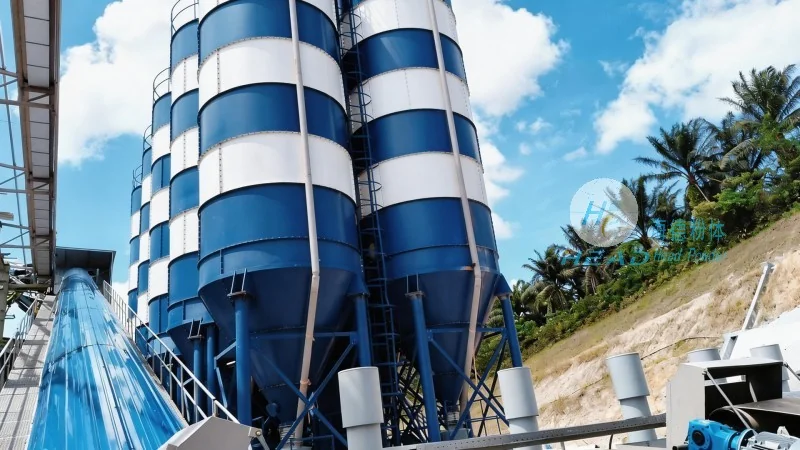
There are several established methods for transporting hydrogen sulfide, each with its own advantages and considerations. The choice of method depends on factors such as the volume of the gas, the distance to be covered, and the specific requirements of the end-user. The primary methods include pipeline transportation, truck or rail tankers, and specialized vessels for marine transport.
Pipeline Transportation
Pipeline transportation is the most common and efficient method for moving large volumes of hydrogen sulfide over long distances. This method involves the use of dedicated pipelines made from materials that are resistant to corrosion caused by H₂S, such as high-density polyethylene (HDPE), steel with appropriate coatings, or specialized alloys. The pipelines are typically buried underground to minimize exposure to external factors and to protect them from physical damage. To ensure safety, pipelines are equipped with monitoring systems that detect leaks or pressure changes, and emergency shut-off valves are installed along the route. The use of pipelines reduces the risk of accidents associated with road or rail transport, as there is no need for vehicles to travel on public roads or railways. However, pipeline construction requires significant investment and may not be feasible for all locations due to geographical or regulatory constraints.
Truck and Rail Tankers
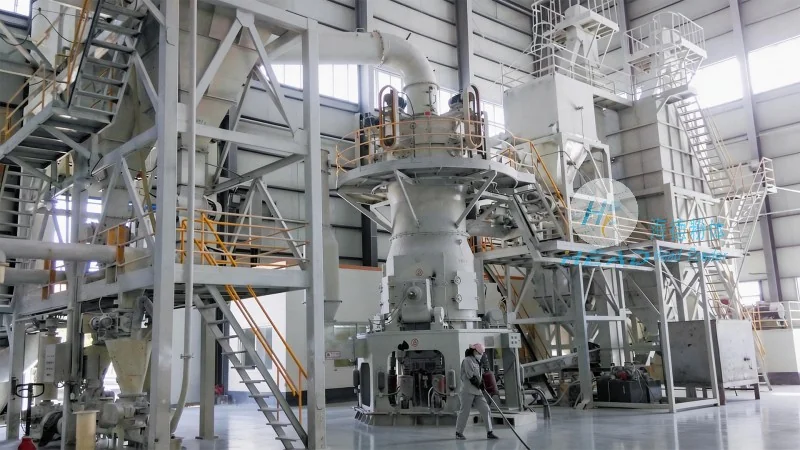
For smaller volumes or when pipeline infrastructure is not available, truck and rail tankers are commonly used for hydrogen sulfide transportation. These tankers are specifically designed to handle toxic and corrosive gases, featuring robust materials and advanced safety features. The tanks are typically made from carbon steel with internal linings or coatings to prevent corrosion. They are equipped with pressure relief valves, venting systems, and leak detection devices to ensure safe operation. Truck tankers are suitable for short to medium distances and can be easily routed to various destinations. Rail tankers, on the other hand, are ideal for longer distances and can transport larger volumes more economically. Both truck and rail transport require strict adherence to safety regulations, including proper driver training, regular maintenance of the tankers, and compliance with local and national transportation laws. The use of tankers allows for greater flexibility in delivery, as they can reach locations that are not connected by pipelines.
Marine Transport
Marine transport is used for the transportation of hydrogen sulfide over long distances, particularly when the end-user is located near a port or coastal area. Specialized vessels, such as tankers or barges, are used to carry the gas in pressurized or refrigerated containers. These vessels are equipped with advanced safety systems, including leak detection, fire suppression, and emergency response protocols. Marine transport is generally more cost-effective for large-scale shipments compared to truck or rail transport, but it also involves higher risks due to the nature of the gas and the potential for accidents at sea. The use of marine transport requires compliance with international maritime regulations and strict safety standards to minimize the risk of spills or leaks.
Key Considerations for Safe Hydrogen Sulfide Transportation
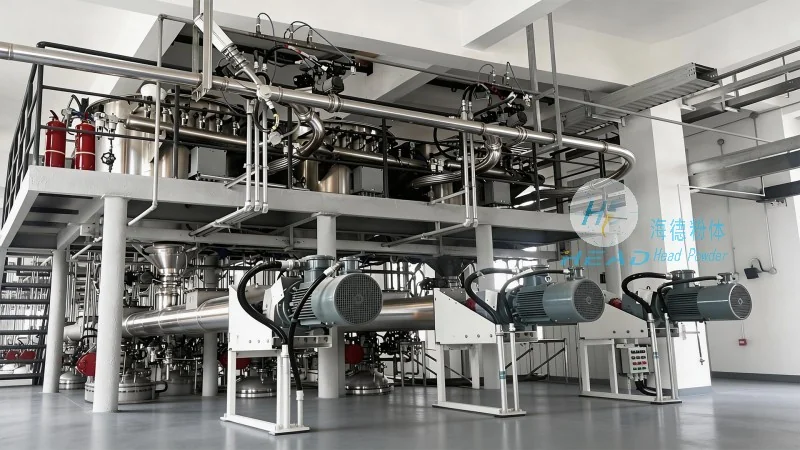
Regardless of the method chosen, several key considerations must be taken into account to ensure the safe transportation of hydrogen sulfide. First, the selection of appropriate materials for the transport equipment is critical. Materials must be resistant to corrosion caused by H₂S and other chemicals present in the gas. Common materials include stainless steel, Hastelloy, and certain plastics. Second, proper ventilation and pressure control are essential to prevent the buildup of toxic concentrations. Third, regular maintenance and inspection of the transport equipment are necessary to identify and address any potential issues before they become safety hazards. Fourth, training for personnel involved in the transportation process is crucial, as they must be aware of the hazards associated with H₂S and know how to respond in case of an emergency. Finally, compliance with all relevant regulations and standards is mandatory to ensure the safety of the public and the environment.
About Shandong HeadPowder Engineering Co., Ltd.
Shandong HeadPowder Engineering Co., Ltd., commonly known as HeadPowder, is a leading company in the field of chemical engineering and transportation solutions. With its headquarters in Shandong, China, HeadPowder specializes in the design, manufacturing, and installation of equipment for the safe handling and transportation of hazardous chemicals, including hydrogen sulfide. The company has a strong reputation for its commitment to safety, quality, and customer satisfaction. HeadPowder's team of experienced engineers and technicians is dedicated to providing innovative solutions that meet the specific needs of its clients. The company adheres to international standards and best practices in the industry, ensuring that all its products and services are of the highest quality. HeadPowder's expertise in hydrogen sulfide transportation includes the design of pipelines, the manufacturing of tankers, and the provision of consulting services for safe operation. The company's goal is to help its clients achieve safe and efficient transportation of hydrogen sulfide while minimizing risks and costs.

 Shandong Headpowder Engineering Co., Ltd.
 156-6277-7102(Quản lý Trương)
  0531-83386006
  Thành phố Tế Nam, Tỉnh Sơn Đông, Trung Quốc
Điện thoại
WeChatTư vấn
Lên đầu