Với hơn 10 năm kinh nghiệm về vận chuyển khí nén, Headpowder Sơn Đông cung cấp hệ thống, thiết bị và quạt gió toàn chuỗi, đảm nhận các dự án kỹ thuật bột trọn gói trên toàn quốc.
Furfural ash slag, a byproduct of industrial processes, requires efficient and reliable transportation methods to ensure safe and effective handling. As a key component in various industrial applications, understanding the appropriate methods for moving this material is crucial for operational efficiency and compliance with safety standards. This article explores the primary transportation options available for furfural ash slag, providing insights into the technologies and considerations that companies like Shandong HeadPowder Engineering Co., Ltd. employ in their operations.
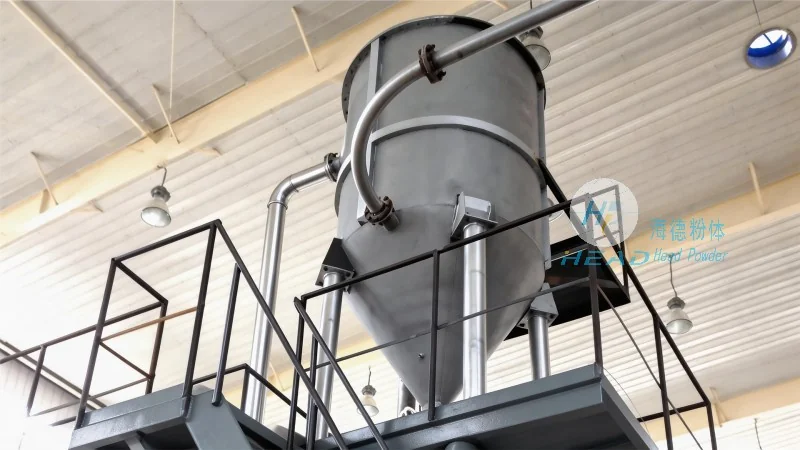
Key Characteristics of Furfural Ash Slag Affecting Transportation
Before delving into specific transportation methods, it is essential to understand the physical and chemical properties of furfural ash slag. This material typically consists of fine particles, often with varying moisture content and abrasive characteristics. These properties influence the choice of equipment and systems used for transportation, as different methods may be better suited to handle the material's specific traits. For instance, the abrasive nature of the slag can impact the lifespan of conveyor components, while moisture content may affect the material's flowability and the risk of clogging in pipelines or chutes.
Common Transportation Methods for Furfural Ash Slag
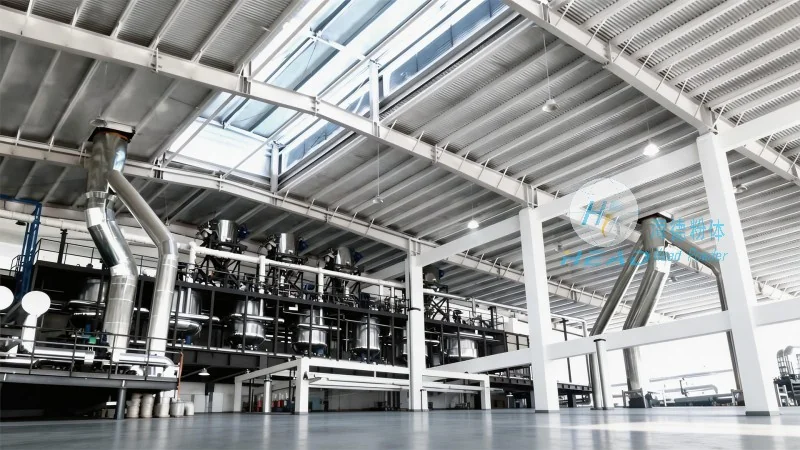
Several methods are commonly employed for transporting furfural ash slag, each with its own advantages and applications. The selection of a method depends on factors such as the distance to be covered, the volume of material, the site layout, and the specific characteristics of the slag. Below are some of the most widely used approaches:
1. Belt Conveyors: The Workhorse of Bulk Material Handling
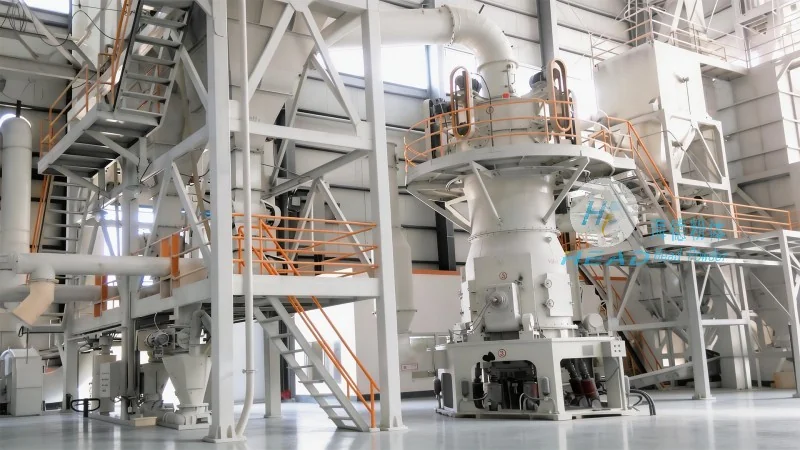
Belt conveyors are among the most common and versatile methods for transporting furfural ash slag. These systems consist of a continuous belt that moves over rollers or pulleys, carrying the material from one location to another. They are particularly effective for horizontal or slightly inclined transport over long distances. Belt conveyors can handle large volumes of material with relatively low maintenance requirements, making them a cost-effective solution for many industrial settings. Additionally, they can be equipped with various accessories, such as feeders, chutes, and idlers, to adapt to different operational needs. For example, a company like Shandong HeadPowder Engineering Co., Ltd. may utilize belt conveyors to transport furfural ash slag from processing units to storage facilities or for further processing steps.
2. Screw Conveyors: Ideal for Vertical and Horizontal Transport
Screw conveyors, also known as auger conveyors, use a rotating screw to move material along a trough. This method is suitable for both horizontal and vertical transport, making it versatile for applications where the material needs to be elevated or moved at an angle. Screw conveyors are particularly effective for handling fine or powdery materials like furfural ash slag, as they can maintain a consistent flow and minimize material spillage. They are also relatively compact and can be installed in confined spaces, which is beneficial for industrial sites with limited room for large equipment. The design of the screw and the speed of rotation can be adjusted to control the material's movement and prevent clogging, ensuring efficient operation.

 Shandong Headpowder Engineering Co., Ltd.
 156-6277-7102(Quản lý Trương)
  0531-83386006
  Thành phố Tế Nam, Tỉnh Sơn Đông, Trung Quốc
Điện thoại
WeChatTư vấn
Lên đầu