Với hơn 10 năm kinh nghiệm về vận chuyển khí nén, Headpowder Sơn Đông cung cấp hệ thống, thiết bị và quạt gió toàn chuỗi, đảm nhận các dự án kỹ thuật bột trọn gói trên toàn quốc.
In the metallurgical industry, the efficient and reliable transportation of metallurgical coke is crucial for the smooth operation of coke plants and steel mills. The choice of conveying method directly impacts production efficiency, operational costs, and environmental compliance. Among the various options available, pneumatic conveying stands out as a modern solution that addresses many of the challenges associated with traditional methods. This article explores common metallurgical coke conveying methods and highlights the advantages and features of HeadPowder's pneumatic conveying system, a leading solution in the industry.
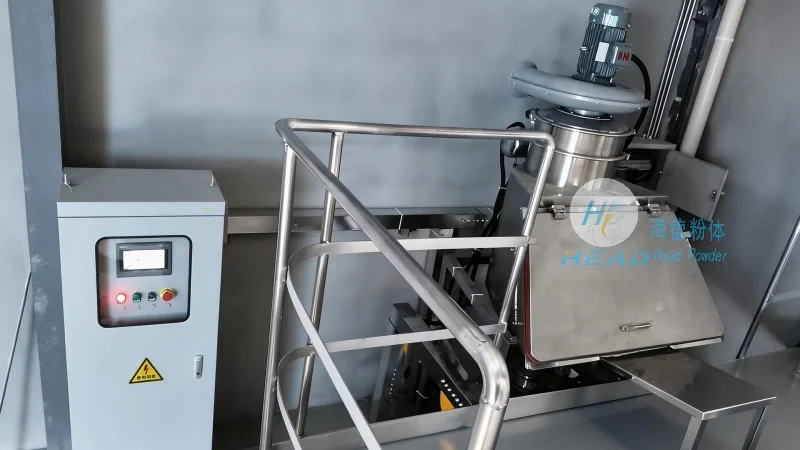
Understanding Metallurgical Coke and Conveying Challenges
Metallurgical coke is a critical raw material used in the production of steel, where it serves as a fuel and a reducing agent in blast furnaces. Its transportation requires systems that can handle the material's bulk, density, and potential dust generation. Traditional conveying methods, such as belt conveyors and screw conveyors, have been widely used but often face limitations. Belt conveyors, for instance, are effective for long-distance horizontal transport but struggle with vertical lifts and require extensive space. Screw conveyors, while suitable for smaller volumes, can experience blockages and wear due to the abrasive nature of coke. These challenges have driven the development of more advanced solutions, with pneumatic conveying emerging as a preferred choice for many industrial applications.
Common Metallurgical Coke Conveying Methods
Several methods are commonly employed for metallurgical coke transportation, each with its own set of advantages and drawbacks. The most prevalent include:
Belt Conveyors
Belt conveyors are one of the most traditional and widely used methods for bulk material handling. They consist of a continuous belt that moves over rollers or pulleys, transporting coke from one location to another. Belt conveyors are particularly effective for long-distance, horizontal transport and can handle large volumes with high efficiency. However, they have limitations when it comes to vertical lifting, as the material tends to slip or fall off the belt at steep angles. Additionally, they require significant space for installation and maintenance, and the risk of dust generation during loading and unloading can be a concern for environmental compliance.
Screw Conveyors
Screw conveyors, also known as auger conveyors, use a rotating screw to move coke through a tube or trough. This method is suitable for short to medium distances and is often used in enclosed systems to minimize dust. Screw conveyors are relatively simple in design and can be installed in tight spaces. However, they are less efficient for vertical transport and can experience blockages if the coke is too large or has high moisture content. The abrasive nature of coke can also lead to increased wear on the screw and housing, requiring more frequent maintenance.
Pneumatic Conveying Systems
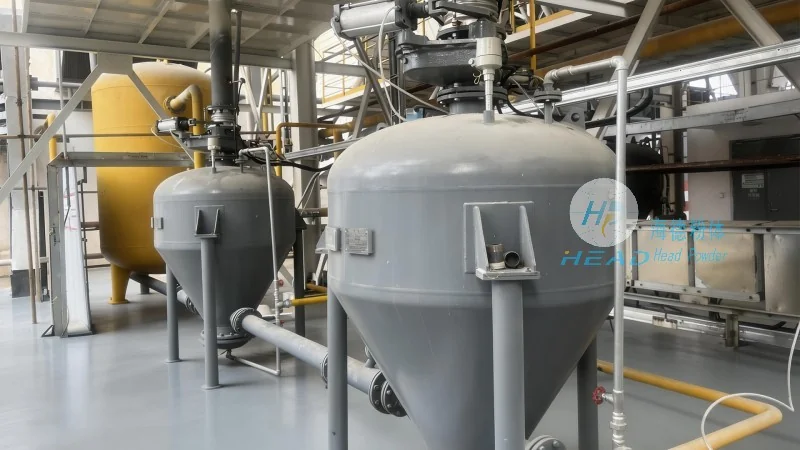
Pneumatic conveying, or air-based transport, uses compressed air to move coke through a pipeline. This method offers several advantages over traditional systems, including the ability to transport materials vertically and horizontally with minimal space requirements. Pneumatic systems are also highly effective at controlling dust, as the material is enclosed within the pipeline, reducing emissions and improving workplace safety. However, they require a more complex setup, including air compressors and filtration systems, and can be less efficient for very long distances or high-volume applications.
HeadPowder's Pneumatic Conveying System: Advantages and Features
HeadPowder, a leading manufacturer of material handling equipment, specializes in developing advanced pneumatic conveying systems tailored to the needs of the metallurgical industry. The company's solution combines cutting-edge technology with robust engineering to provide a reliable and efficient way to transport metallurgical coke. Key advantages of HeadPowder's system include:
High Efficiency and Versatility
HeadPowder's pneumatic conveying system is designed to handle a wide range of coke types and particle sizes, making it versatile for various industrial applications. The system can transport coke over both horizontal and vertical distances with minimal energy consumption. The use of positive and negative pressure modes allows for flexibility in the layout of the plant, enabling the system to adapt to existing infrastructure without major modifications.
Environmental and Safety Benefits
One of the most significant advantages of HeadPowder's pneumatic conveying system is its ability to minimize dust and emissions. By enclosing the material within the pipeline, the system reduces the risk of airborne dust, which is a major concern in metallurgical operations. This not only improves workplace safety but also helps companies meet stringent environmental regulations. The system also features advanced filtration and air purification components, ensuring that the air released back into the environment is clean and compliant with standards.
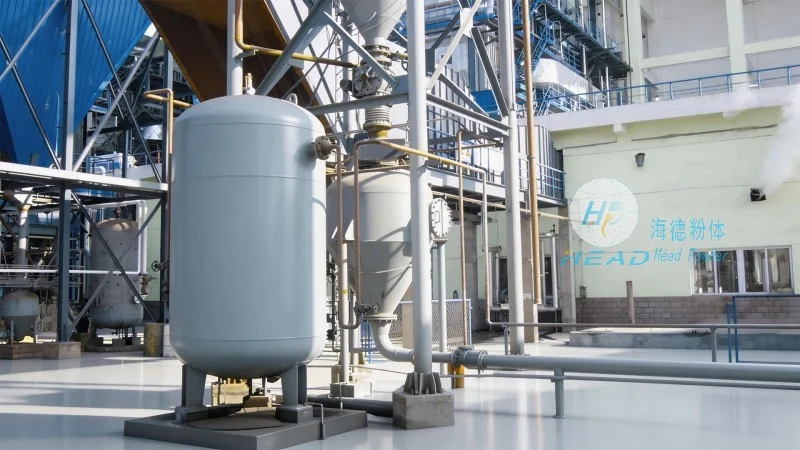
Reduced Maintenance and Operational Costs
HeadPowder's pneumatic conveying system is engineered for durability and low maintenance. The use of high-quality materials and robust components minimizes wear and tear, reducing the need for frequent repairs and replacements. The system's design also includes features such as self-cleaning mechanisms and easy access for maintenance, further reducing operational downtime. By improving efficiency and reducing maintenance costs, the system offers a significant return on investment for companies in the metallurgical industry.
Customization and Scalability
HeadPowder understands that each metallurgical plant has unique requirements. The company offers customized solutions that can be tailored to specific production volumes, distances, and layout constraints. Whether a plant needs a small-scale system for a new facility or an upgrade to an existing conveyor line, HeadPowder can provide a solution that meets its needs. The system is also scalable, allowing companies to expand their operations without replacing the entire conveying infrastructure.
Application Examples and Case Studies
HeadPowder's pneumatic conveying system has been successfully implemented in numerous metallurgical plants across China and other regions. For example, a major coke plant in Shandong Province, China, upgraded its traditional belt conveyor system to HeadPowder's pneumatic solution. The plant reported a 30% increase in production efficiency and a significant reduction in dust emissions. Another case involved a steel mill that needed to transport coke from the storage yard to the blast furnace. HeadPowder's system was installed to handle the vertical lift and long horizontal distance, resulting in improved safety and reduced operational costs.
Conclusion
Metallurgical coke conveying is a critical aspect of industrial operations, and the choice of conveying method can have a significant impact on efficiency, cost, and environmental performance. While traditional methods like belt and screw conveyors have their place, pneumatic conveying offers a modern, efficient, and environmentally friendly solution. HeadPowder's pneumatic conveying system stands out as a leading option in the market, offering high efficiency, safety, and cost-effectiveness. For companies in the metallurgical industry looking to upgrade their material handling systems, HeadPowder's solution provides a reliable and sustainable way to meet their needs and stay competitive in the market.

 Shandong Headpowder Engineering Co., Ltd.
 156-6277-7102(Quản lý Trương)
  0531-83386006
  Thành phố Tế Nam, Tỉnh Sơn Đông, Trung Quốc
Điện thoại
WeChatTư vấn
Lên đầu