Với hơn 10 năm kinh nghiệm về vận chuyển khí nén, Headpowder Sơn Đông cung cấp hệ thống, thiết bị và quạt gió toàn chuỗi, đảm nhận các dự án kỹ thuật bột trọn gói trên toàn quốc.
When it comes to transporting coated sand in foundries and casting operations, selecting the right conveying method is crucial for efficiency, cost-effectiveness, and material integrity. Coated sand, often used in the production of high-quality castings, requires specialized handling to prevent degradation and maintain its performance characteristics. The choice of conveying system can significantly impact production throughput, operational costs, and the overall quality of the final casting. In this article, we explore the various types of coated sand conveying methods, with a focus on the advanced pneumatic conveying solutions offered by Shandong HeadPowder Engineering Co., Ltd., commonly known as HeadPowder.
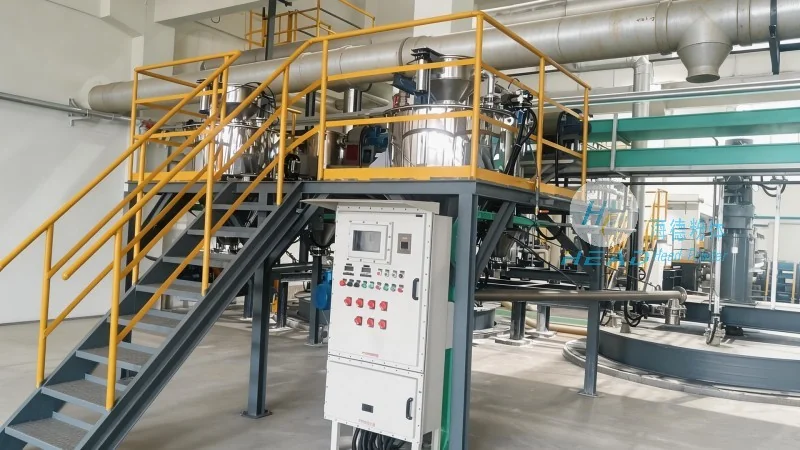
Common Coated Sand Conveying Techniques and Their Limitations
Several conventional methods are employed for coated sand transport, each with its own set of advantages and drawbacks. Gravity conveyors, for instance, rely on the natural slope of the material to move it from one point to another. While simple and low-cost, gravity systems are limited by the need for a suitable incline and are often unsuitable for long distances or vertical lifts. Mechanical conveyors, such as belt or screw conveyors, use mechanical components to transport the sand. These systems can handle larger volumes and are more versatile in terms of layout, but they may introduce friction and wear on the coated sand particles, potentially compromising their surface properties. Additionally, mechanical systems require regular maintenance and can be prone to clogging, especially with fine or abrasive materials like coated sand.
HeadPowder's Pneumatic Conveying System: Advantages and Technical Features
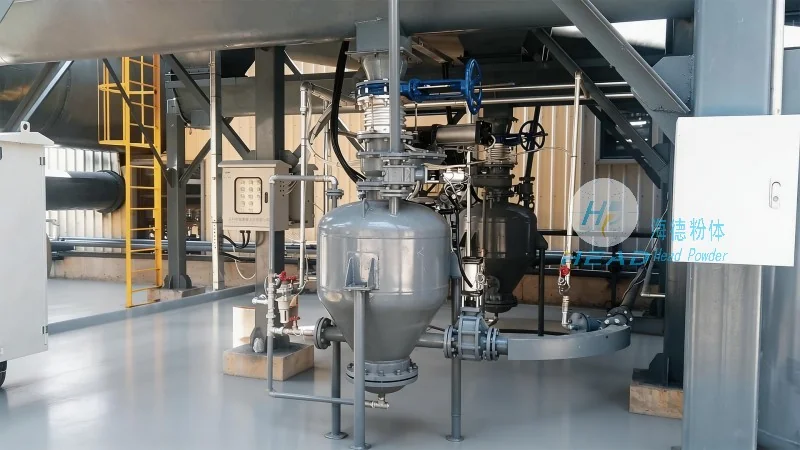
HeadPowder, a leading manufacturer of coated sand processing equipment, has developed a sophisticated pneumatic conveying system tailored to the unique demands of coated sand transport. This system leverages compressed air to move the sand through a network of pipes, offering several key advantages over traditional methods. One of the primary benefits is the ability to transport coated sand over long distances and even vertical heights without the need for complex mechanical components. The pneumatic system minimizes friction and abrasion, preserving the integrity of the coated sand particles and ensuring consistent casting quality. Additionally, the system is highly flexible, allowing for easy integration into existing production lines and the ability to adapt to varying production volumes. HeadPowder's pneumatic conveying equipment is designed with high-quality materials and advanced control systems, ensuring reliable operation and minimal downtime. The company's expertise in coated sand technology, combined with its commitment to innovation, has resulted in a solution that addresses the challenges associated with traditional conveying methods.
Key Components and Operational Principles of the Pneumatic Conveying System
The pneumatic conveying system by HeadPowder consists of several critical components that work in tandem to ensure efficient and reliable transport. The system typically includes a hopper for material storage, a rotary airlock valve to control the flow of sand into the pipeline, and a series of pipes with appropriate diameter and slope to facilitate air and sand movement. Compressed air is introduced into the system, creating a flow that carries the coated sand particles through the pipes. The air velocity is carefully controlled to maintain a stable flow, preventing material settling or clogging. The system may also include cyclone separators or filters to separate the sand from the air at the receiving end, ensuring clean and dry material is delivered to the next stage of the casting process. HeadPowder's engineers have optimized the design of these components to maximize efficiency and minimize energy consumption, making the system both effective and cost-efficient for foundries.
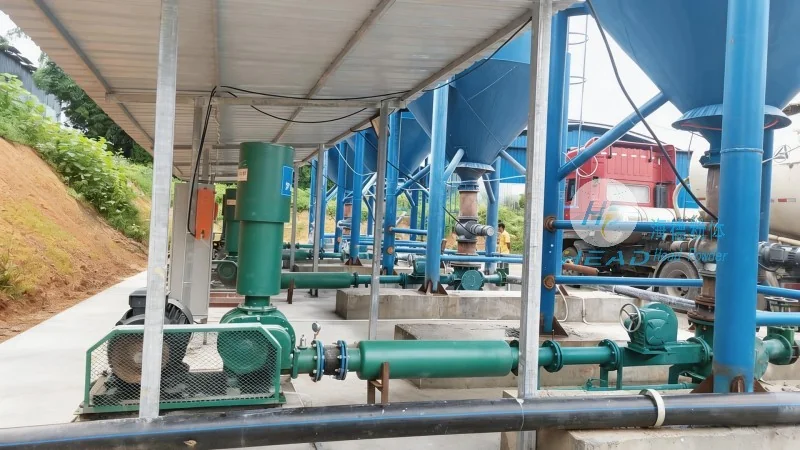
Applications and Benefits in Foundry Operations
The pneumatic conveying system from HeadPowder is widely used in various foundry applications, including the transport of coated sand from storage silos to molding machines, the return of sand from the molding line to the reclamation system, and the transfer of sand between different production stages. The system's ability to handle both dry and slightly moist coated sand makes it suitable for a range of casting processes, from small batch production to large-scale industrial operations. The benefits of using HeadPowder's pneumatic conveying system extend beyond just efficient transport. By reducing material handling time and labor costs, the system improves overall production throughput. Additionally, the preservation of coated sand properties ensures consistent casting quality, reducing defects and rework. The system's compact design and low maintenance requirements also contribute to lower operational costs and increased reliability in foundry operations.
Conclusion: Choosing the Right Conveying Solution for Coated Sand
In conclusion, the choice of coated sand conveying method is a critical decision for foundries seeking to optimize their production processes. While traditional methods like gravity and mechanical conveyors have their place, modern pneumatic systems offer significant advantages in terms of efficiency, material integrity, and flexibility. HeadPowder's pneumatic conveying system represents a cutting-edge solution that addresses the unique challenges of coated sand transport, providing foundries with a reliable and effective method for moving their material. By leveraging advanced technology and a deep understanding of coated sand properties, HeadPowder has developed a system that enhances productivity, reduces costs, and maintains the quality of the final casting. For foundries looking to improve their coated sand handling processes, HeadPowder's pneumatic conveying system is a compelling option that delivers long-term benefits.

 Shandong Headpowder Engineering Co., Ltd.
 156-6277-7102(Quản lý Trương)
  0531-83386006
  Thành phố Tế Nam, Tỉnh Sơn Đông, Trung Quốc
Điện thoại
WeChatTư vấn
Lên đầu