Với hơn 10 năm kinh nghiệm về vận chuyển khí nén, Headpowder Sơn Đông cung cấp hệ thống, thiết bị và quạt gió toàn chuỗi, đảm nhận các dự án kỹ thuật bột trọn gói trên toàn quốc.
When it comes to efficiently transporting concrete materials from one location to another in construction projects, selecting the appropriate pneumatic conveying system is crucial. The right system ensures smooth operation, minimal material loss, and compliance with industry standards. This guide aims to help you understand the key factors to consider when choosing a pneumatic conveying system tailored to your concrete delivery process.
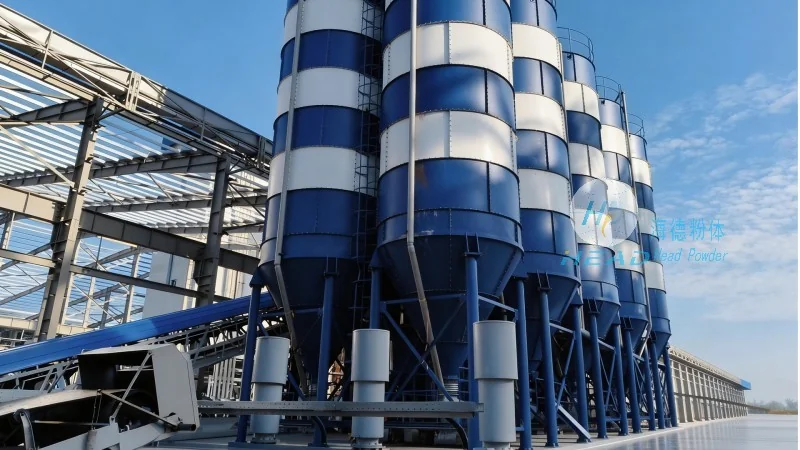
Understanding Pneumatic Conveying Technology
Pneumatic conveying systems use air or gas to transport bulk materials like concrete through a pipeline. These systems can be categorized into different types based on the pressure used: dilute phase, dense phase, and pressure/venturi systems. Each type offers distinct advantages depending on the material characteristics, distance, and throughput requirements. For concrete applications, factors such as moisture content, particle size, and flowability are critical in determining the most suitable system design.
Key Considerations for Concrete Delivery Processes
Before selecting a pneumatic conveying system, several factors must be evaluated to ensure optimal performance. First, assess the distance between the concrete source and the destination. Short distances may be suitable for low-pressure systems, while longer distances often require high-pressure or dense phase systems to maintain material integrity. Second, consider the volume of concrete to be transported per hour. High throughput demands systems with larger capacity and robust components to handle continuous operation without bottlenecks. Third, evaluate the environmental conditions at the worksite. Outdoor applications may require weather-resistant components and dust control measures to prevent material degradation or environmental issues.
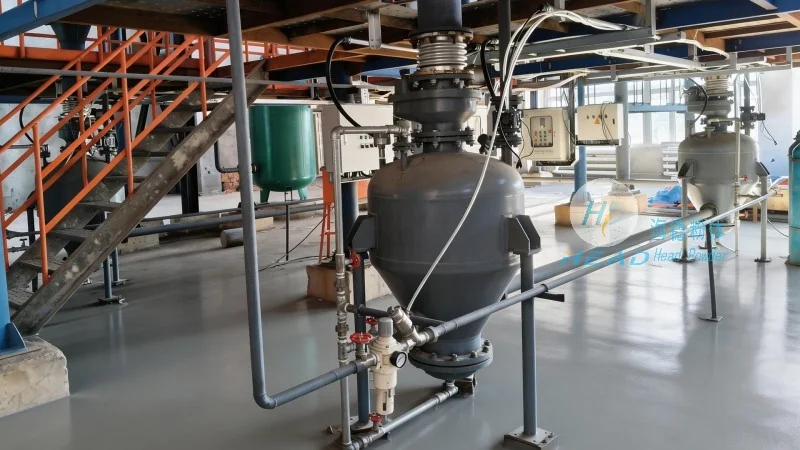
System Components and Their Impact on Performance
A pneumatic conveying system consists of several key components, each playing a vital role in the overall operation. The hopper or feeder is responsible for feeding the concrete material into the system, ensuring a consistent flow. The pipeline network connects the source to the destination, with proper sizing to accommodate the material's velocity and pressure requirements. The air compressor or blower provides the necessary air pressure to move the material through the system. For concrete applications, the choice of compressor type—such as rotary lobe or centrifugal—can impact energy efficiency and noise levels. Additionally, the system may include filters and cyclones to separate the material from the air, preventing clogging and maintaining system cleanliness.
Choosing the Right System Type for Concrete
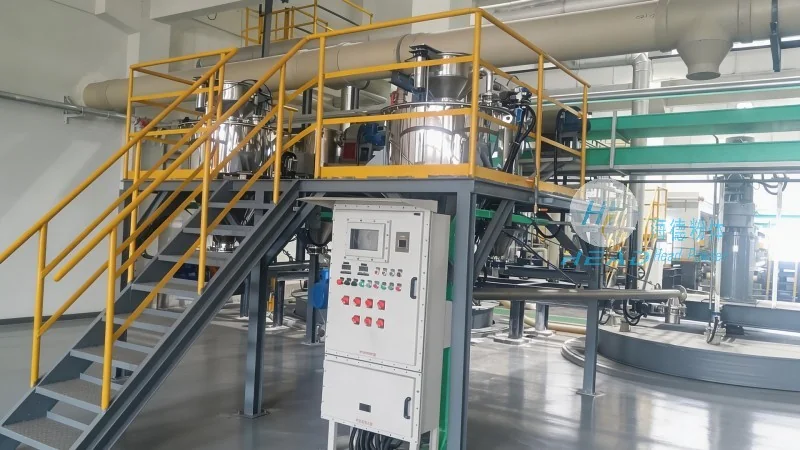
For concrete delivery, the most common pneumatic conveying systems include pressure systems, venturi systems, and dense phase systems. Pressure systems use positive pressure to push the material through the pipeline, making them ideal for long-distance transport with high throughput. Venturi systems, on the other hand, use a high-velocity air stream to draw the material into the pipeline, suitable for shorter distances and lower volumes. Dense phase systems operate at lower velocities, ensuring the material remains in a dense state, which is beneficial for delicate or abrasive materials like concrete, as it minimizes wear on components and reduces the risk of material degradation.
Case Study: Successful Implementation by Shandong HeadPowder Engineering Co., Ltd.
Shandong HeadPowder Engineering Co., Ltd., a leading provider of pneumatic conveying solutions, has successfully implemented customized systems for concrete delivery in various construction projects. For instance, in a large-scale residential development, the company designed a pressure pneumatic conveying system that transported concrete from a central batching plant to multiple construction sites over a distance of 5 kilometers. The system was engineered to handle a throughput of 50 cubic meters per hour, ensuring timely delivery of concrete while maintaining material quality. The system's robust design, including high-quality pipelines and efficient air compressors, minimized downtime and operational costs for the client. This case study highlights the importance of tailored solutions that consider specific project requirements and operational constraints.
Maintenance and Long-Term Performance
Proper maintenance is essential to ensure the longevity and efficiency of a pneumatic conveying system for concrete delivery. Regular inspection of components such as hoppers, pipelines, and air compressors helps identify potential issues before they escalate into major problems. Cleaning the system, particularly the filters and cyclones, is crucial to prevent clogging and maintain air flow. Additionally, monitoring pressure and flow rates can help detect anomalies and adjust system settings as needed. By implementing a proactive maintenance schedule, users can extend the lifespan of their equipment and reduce operational costs over time.

 Shandong Headpowder Engineering Co., Ltd.
 156-6277-7102(Quản lý Trương)
  0531-83386006
  Thành phố Tế Nam, Tỉnh Sơn Đông, Trung Quốc
Điện thoại
WeChatTư vấn
Lên đầu