Với hơn 10 năm kinh nghiệm về vận chuyển khí nén, Headpowder Sơn Đông cung cấp hệ thống, thiết bị và quạt gió toàn chuỗi, đảm nhận các dự án kỹ thuật bột trọn gói trên toàn quốc.
For businesses operating in the powdered yeast industry, selecting the appropriate pneumatic conveying system is a critical decision that impacts operational efficiency, product quality, and overall process reliability. The right system ensures that your yeast handling process runs smoothly, minimizing downtime and maximizing productivity. This guide will walk you through the key considerations and factors to evaluate when choosing a pneumatic conveying system tailored to your specific needs.
Understanding the Core Requirements of Powdered Yeast Handling
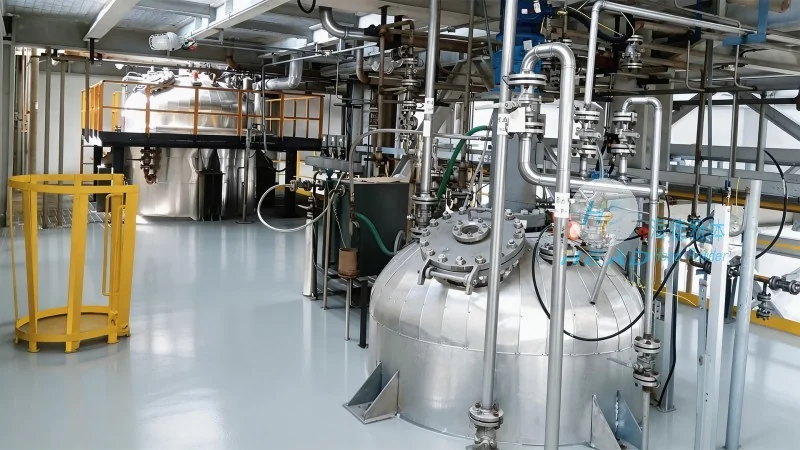
Before diving into system selection, it's essential to understand the unique characteristics of powdered yeast and the operational demands of your facility. Powdered yeast is a fine, dry powder that requires careful handling to prevent agglomeration, contamination, and loss of product quality. Factors such as particle size, moisture content, and bulk density play a significant role in determining the most suitable conveying method. Additionally, the scale of your operation—whether it's a small-scale production or a large industrial facility—will influence the capacity and complexity of the system required.
Key Factors to Consider When Selecting a Pneumatic Conveying System
When evaluating pneumatic conveying systems for your powdered yeast handling process, several key factors must be considered to ensure optimal performance and compatibility with your existing infrastructure. These factors include:
1. Conveying Capacity and Throughput Requirements
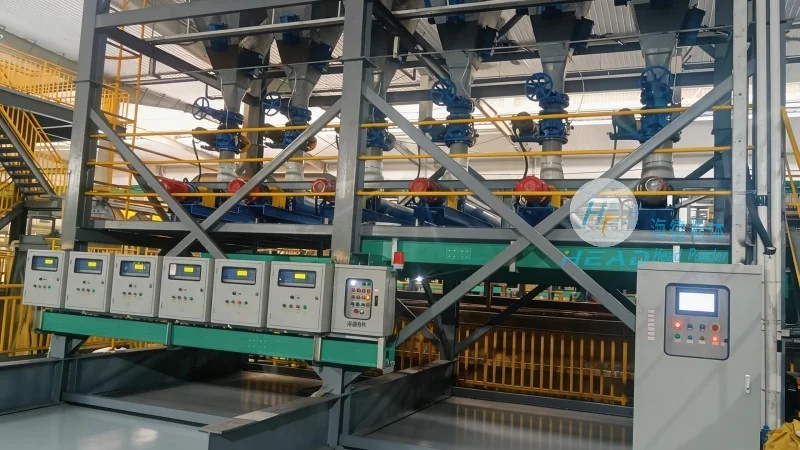
The first step is to determine the required conveying capacity, measured in terms of volume or weight per hour. This depends on your production volume, batch sizes, and the speed at which yeast needs to be moved between processing stages. A system that can handle the desired throughput without bottlenecks is crucial for maintaining a steady workflow. For instance, if your facility processes large batches of yeast for baking or brewing, a high-capacity system with multiple inlets or a continuous feed mechanism may be necessary.
2. Material Characteristics and Handling Challenges
Powdered yeast has specific properties that affect how it behaves during conveying. Fine particles can create challenges such as dust generation, caking, and blockages in the system. The system must be designed to minimize these issues, often through features like air filtration, anti-static measures, and appropriate pipe sizing. Additionally, the moisture content of the yeast can impact its flowability; systems that can handle varying moisture levels without compromising performance are preferable.
3. System Type and Conveying Principle
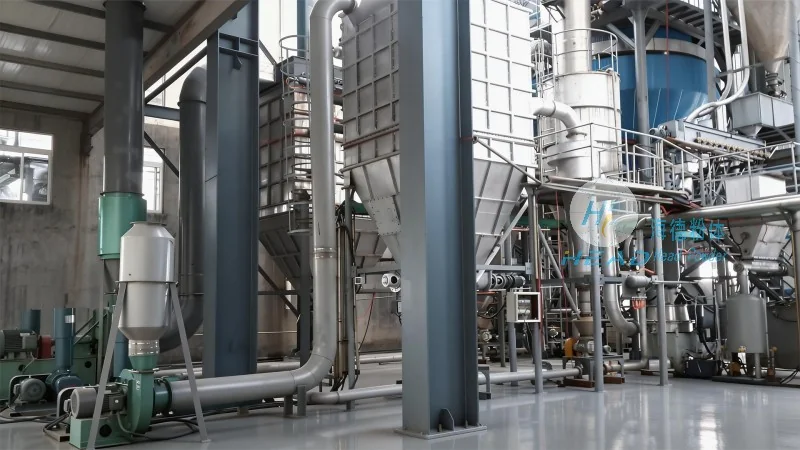
Pneumatic conveying systems can be broadly categorized into two main types: pressure and vacuum. Pressure systems use compressed air to push the material through the pipeline, while vacuum systems use a vacuum to pull the material. The choice between these depends on the distance, elevation changes, and material characteristics. For short distances and relatively low elevations, pressure systems are often more efficient. For longer distances or when moving material to higher elevations, vacuum systems may be more suitable. Understanding the conveying principle helps in selecting the right system for your specific layout and operational needs.
4. Infrastructure Compatibility and Space Constraints
The existing infrastructure of your facility, including available space, existing piping, and electrical connections, will influence the system design. A well-integrated system that fits within the available footprint and connects seamlessly to existing equipment reduces installation time and costs. For example, if your facility has limited vertical space, a horizontal or low-profile system might be more appropriate than a vertical one. Additionally, the material of construction—such as stainless steel for hygiene and corrosion resistance—must align with your facility's standards and the nature of the yeast product.
Integrating HeadPowder's Expertise in Pneumatic Conveying Solutions
Shandong HeadPowder Engineering Co., Ltd., a leading provider of pneumatic conveying systems, offers tailored solutions that address the unique challenges of powdered yeast handling. With years of experience in the industry, HeadPowder understands the importance of selecting a system that not only meets current operational needs but also supports future growth. Their team of engineers works closely with clients to assess their specific requirements, from material characteristics to production scale, and designs systems that optimize efficiency and reliability.
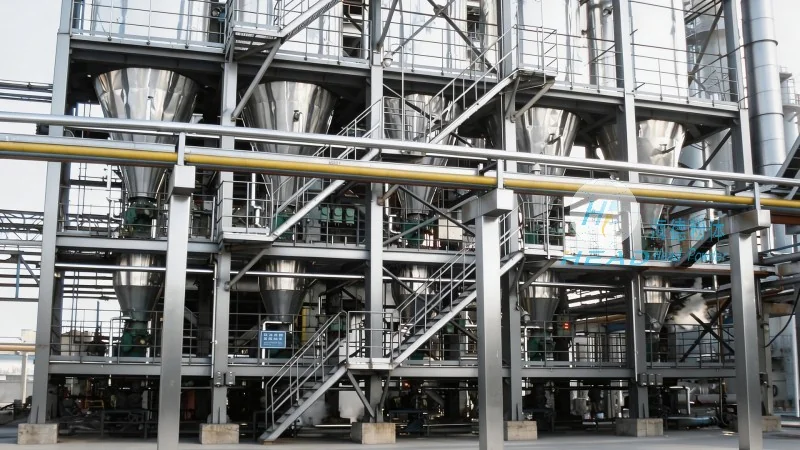
Customized Solutions for Optimal Performance
HeadPowder's approach to system design emphasizes customization. Each project is treated as unique, with engineers considering factors such as the type of yeast (e.g., active dry yeast, instant yeast), the processing environment (e.g., bakery, brewery), and the specific conveying tasks (e.g., raw material transport, finished product transfer). By tailoring the system to these variables, HeadPowder ensures that the final solution delivers consistent performance, reduces maintenance requirements, and minimizes downtime. For instance, a system designed for transporting active dry yeast in a bakery might include features like air filtration to prevent contamination and a gentle conveying method to preserve the yeast's activity.
Ensuring Reliability and Longevity
Reliability is a top priority for any pneumatic conveying system used in the food industry, where product quality and safety are paramount. HeadPowder's systems are built with high-quality components, including durable materials like stainless steel, which resist corrosion and maintain hygiene standards. Regular maintenance and service plans are also available to ensure the system operates at peak performance over its lifespan. This focus on reliability helps businesses in the powdered yeast industry avoid costly breakdowns and maintain consistent product quality.
Conclusion: Making the Right Choice for Your Yeast Handling Process
Selecting the right pneumatic conveying system for your powdered yeast handling process is a decision that requires careful consideration of operational needs, material characteristics, and system compatibility. By evaluating factors such as capacity, material handling challenges, system type, and infrastructure constraints, you can identify a solution that enhances efficiency and supports long-term success. With the expertise and customized solutions offered by Shandong HeadPowder Engineering Co., Ltd., businesses can confidently choose a system that meets their current and future requirements, ensuring smooth and reliable yeast handling operations.

 Shandong Headpowder Engineering Co., Ltd.
 156-6277-7102(Quản lý Trương)
  0531-83386006
  Thành phố Tế Nam, Tỉnh Sơn Đông, Trung Quốc
Điện thoại
WeChatTư vấn
Lên đầu