Với hơn 10 năm kinh nghiệm về vận chuyển khí nén, Headpowder Sơn Đông cung cấp hệ thống, thiết bị và quạt gió toàn chuỗi, đảm nhận các dự án kỹ thuật bột trọn gói trên toàn quốc.
Rice husk ash, a byproduct of biomass combustion processes, presents unique challenges when it comes to material handling and transportation. As industries increasingly rely on efficient and reliable systems to manage these materials, selecting the appropriate pneumatic conveying system becomes crucial. This article, presented by Shandong HeadPowder Engineering Co., Ltd., a leading provider in the field, aims to guide you through the key considerations and factors that influence the selection of the right pneumatic conveying system for your rice husk ash handling process. With a focus on practical application and technical expertise, we will explore how to ensure optimal performance, efficiency, and cost-effectiveness in your material handling operations.
Understanding the Core Requirements of Rice Husk Ash Handling
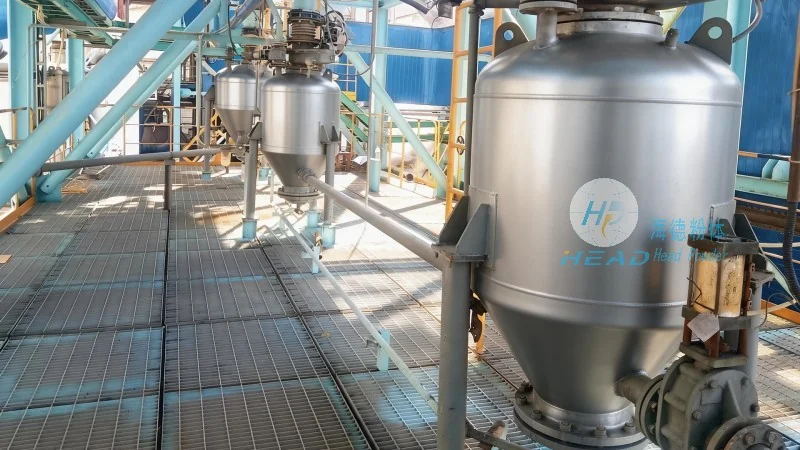
Before diving into system selection, it is essential to understand the fundamental characteristics of rice husk ash and the specific requirements of your handling process. Rice husk ash is typically a lightweight, fine-grained material that can be prone to dust generation and air resistance during transport. The moisture content, particle size distribution, and bulk density of the ash will all impact the choice of conveying method. For instance, if the ash is highly abrasive or contains moisture, certain system designs may be more suitable to prevent equipment wear and ensure consistent flow. Additionally, the distance and layout of the conveying route, including vertical and horizontal components, will dictate the system's capacity and energy requirements. By thoroughly analyzing these factors, you can establish a clear set of criteria to evaluate potential pneumatic conveying solutions.
Types of Pneumatic Conveying Systems and Their Suitability for Rice Husk Ash
There are primarily two types of pneumatic conveying systems: positive pressure and negative pressure. Each has distinct advantages and is better suited for different applications. Positive pressure systems, which use a blower or compressor to generate air pressure and push material through the system, are often preferred for handling light, fine materials like rice husk ash. They offer better control over material flow and can handle longer distances and multiple transfer points. Negative pressure systems, on the other hand, use a vacuum to draw material into the system and are typically used for short-distance or low-volume applications. For rice husk ash, positive pressure systems are generally more effective due to the material's low bulk density and tendency to create dust. However, the specific design of the system—such as the use of cyclone separators, filters, and material feeders—will vary based on the process requirements. For example, a system with a rotary valve feeder and a cyclone separator can effectively handle the material's fine particles and prevent clogging, ensuring smooth operation.
Key Factors to Consider When Selecting a Pneumatic Conveying System
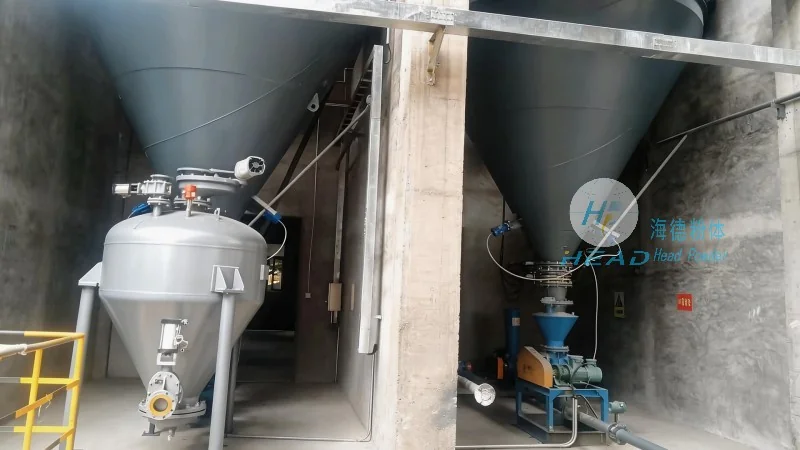
When evaluating pneumatic conveying systems for rice husk ash, several critical factors must be considered to ensure the best fit for your operation. First, the system's capacity and flow rate are paramount. The conveying system must be able to handle the expected throughput of rice husk ash, which may vary based on production rates and batch sizes. HeadPowder's engineering team can help calculate the required flow rate by analyzing the material's bulk density and the desired transfer speed. Second, the system's energy efficiency is a significant consideration. Modern pneumatic conveying systems, such as those utilizing high-efficiency blowers and optimized ductwork, can reduce energy consumption and operating costs. For instance, a system with variable frequency drives (VFDs) can adjust the air pressure and flow to match the material's demand, minimizing waste. Third, the durability and maintenance requirements of the equipment are important. Rice husk ash can be abrasive, so selecting materials like stainless steel or special coatings for the ducts and components can extend the system's lifespan. Regular maintenance, including filter cleaning and component inspections, is also essential to maintain system performance and prevent downtime.
Integration with Existing Infrastructure and Process Flow
Another critical aspect of selecting a pneumatic conveying system is its compatibility with existing infrastructure and process flow. Many facilities have pre-existing equipment, such as silos, hoppers, or storage tanks, that need to be integrated with the new conveying system. HeadPowder provides comprehensive engineering services to ensure seamless integration, including custom-designed feeders, transition pieces, and ductwork that connect to existing components. The layout of the conveying route, including vertical lifts and horizontal runs, must be carefully planned to minimize material spillage and air leakage. For example, using flexible hoses or adjustable elbows can help accommodate minor layout changes and reduce the risk of material blockages. Additionally, the system's control system should be compatible with existing automation and monitoring equipment, allowing for centralized control and data tracking. This integration ensures that the new pneumatic conveying system not only meets the material handling needs but also enhances overall operational efficiency.
Long-Term Performance and Cost-Effectiveness
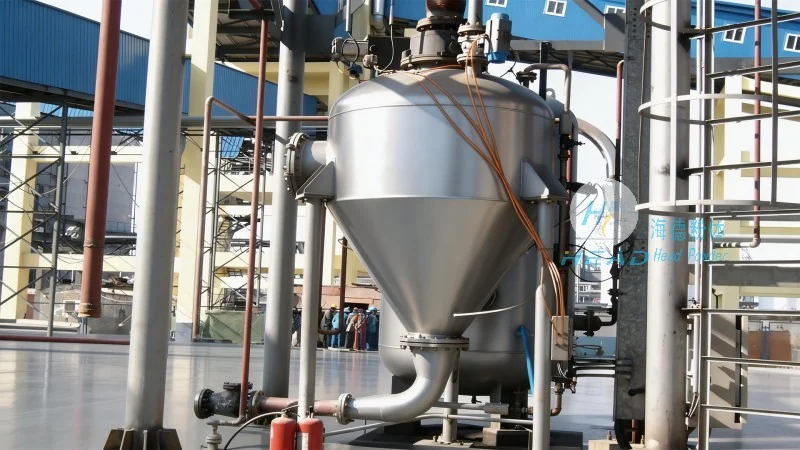
When investing in a pneumatic conveying system for rice husk ash handling, it is essential to consider the long-term performance and cost-effectiveness of the solution. A well-designed system should provide consistent and reliable operation over an extended period, minimizing downtime and maintenance costs. HeadPowder's systems are built with high-quality components and rigorous testing to ensure durability and performance. The initial investment in a robust system may be higher, but the long-term savings from reduced maintenance, lower energy consumption, and increased productivity can outweigh the upfront costs. Furthermore, the system's adaptability to future changes in production volume or material characteristics is an important factor. A flexible system design allows for easy modifications or upgrades without major disruptions to the operation. By focusing on long-term performance and cost-effectiveness, you can ensure that your pneumatic conveying system provides a reliable and sustainable solution for your rice husk ash handling process.
Conclusion: Partnering with HeadPowder for Your Pneumatic Conveying Needs
Choosing the right pneumatic conveying system for your rice husk ash handling process is a critical decision that impacts operational efficiency, cost, and sustainability. By understanding the material's characteristics, evaluating system types, and considering key factors such as capacity, energy efficiency, and integration, you can select a system that meets your specific needs. Shandong HeadPowder Engineering Co., Ltd. offers expert guidance and tailored solutions to help you navigate this process. With our focus on quality, performance, and customer satisfaction, we are committed to providing the most suitable pneumatic conveying systems for your rice husk ash handling operations. Whether you are setting up a new facility or upgrading an existing one, HeadPowder's engineering team can assist you in selecting and implementing a system that ensures optimal performance and long-term success. Contact us today to learn more about how we can support your material handling needs.

 Shandong Headpowder Engineering Co., Ltd.
 156-6277-7102(Quản lý Trương)
  0531-83386006
  Thành phố Tế Nam, Tỉnh Sơn Đông, Trung Quốc
Điện thoại
WeChatTư vấn
Lên đầu