Với hơn 10 năm kinh nghiệm về vận chuyển khí nén, Headpowder Sơn Đông cung cấp hệ thống, thiết bị và quạt gió toàn chuỗi, đảm nhận các dự án kỹ thuật bột trọn gói trên toàn quốc.
When it comes to managing dust and bulk materials in industrial processes, selecting the appropriate pneumatic conveying system is crucial for efficiency, safety, and operational reliability. The right system can significantly enhance productivity while minimizing downtime and maintenance costs. This guide will walk you through the key considerations and factors to evaluate when choosing a pneumatic conveying system for your dust handling applications, with insights from industry experts at Shandong HeadPowder Engineering Co., Ltd., a leading provider of dust handling solutions.
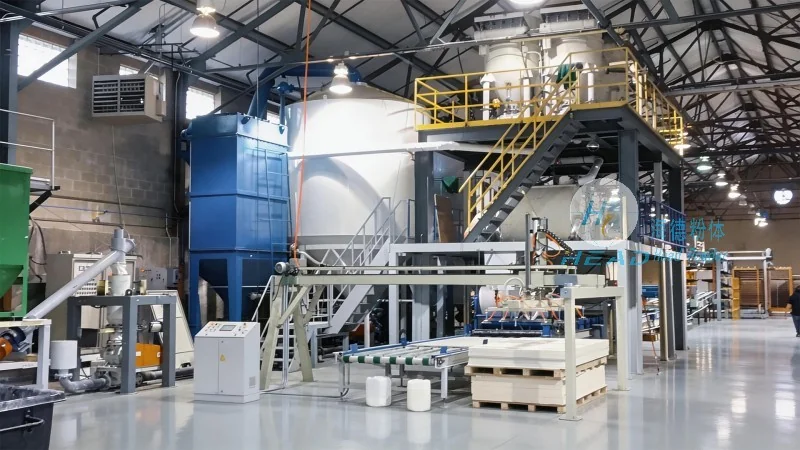
Understanding the Core Requirements of Your Dust Handling Process
Before diving into specific system types, it's essential to understand the unique demands of your dust handling operation. Key factors include the type and properties of the material being conveyed—such as particle size, moisture content, and abrasiveness—and the distance and layout of the conveying route. Additionally, the volume of material to be transported per hour and the required speed of material transfer will influence system design. For instance, fine powders with high moisture content may require specialized equipment to prevent caking or blockages, while abrasive materials demand robust components to withstand wear and tear.
Evaluating Pneumatic Conveying System Types
There are primarily two types of pneumatic conveying systems: positive pressure and negative pressure. Positive pressure systems use a blower or compressor to force air and material through the pipeline, making them suitable for long-distance or high-volume applications. They are often preferred for abrasive or corrosive materials due to their ability to handle higher pressures. Negative pressure systems, on the other hand, use a vacuum to draw material into the system, which is ideal for short-distance conveying or applications where dust containment is critical. The choice between these systems depends on factors like material properties, conveying distance, and environmental regulations.
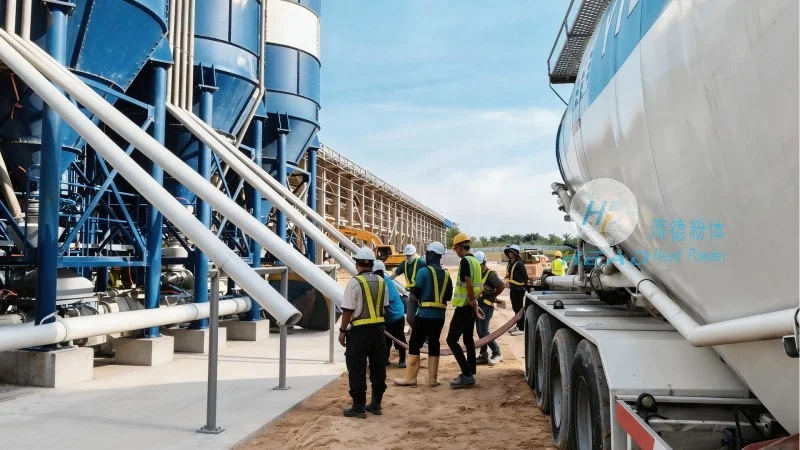
Key Considerations for System Design and Components
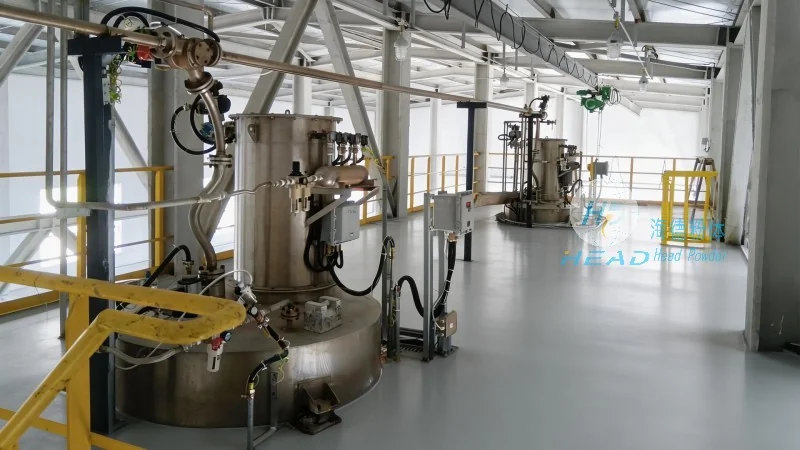
Once the system type is determined, several critical design elements must be considered. The pipeline layout, including bends, valves, and filters, plays a vital role in ensuring smooth material flow and preventing system blockages. For example, the use of flexible hoses or rigid pipes may vary based on the material's flow characteristics and the need for flexibility in the conveying route. Additionally, the selection of components such as airlocks, cyclones, and dust collectors is essential for maintaining system efficiency and safety. High-quality components from reputable manufacturers, like those offered by Shandong HeadPowder Engineering Co., Ltd., can significantly impact the longevity and performance of the system.
Assessing Material Handling Challenges and Solutions
Different dust handling processes present unique challenges that require tailored solutions. For example, in pharmaceutical or food processing industries, where material purity is paramount, systems must be designed to prevent cross-contamination and ensure compliance with regulatory standards. In contrast, industrial applications like mining or construction may prioritize durability and the ability to handle heavy loads. Shandong HeadPowder Engineering Co., Ltd. specializes in customizing pneumatic conveying systems to address these specific challenges, ensuring that the chosen solution aligns with both operational needs and industry standards.
Collaborating with Experts for Optimal System Selection
Choosing the right pneumatic conveying system is a complex decision that benefits from expert guidance. At Shandong HeadPowder Engineering Co., Ltd., our team of engineers and technicians works closely with clients to assess their specific requirements and recommend the most suitable system. By leveraging our extensive experience in dust handling solutions, we help clients avoid common pitfalls and select systems that deliver long-term value. Our approach includes detailed site assessments, material testing, and system simulations to ensure that the final solution meets all operational and safety criteria.
Conclusion: Partnering with HeadPowder for Reliable Dust Handling Solutions
Ultimately, selecting the right pneumatic conveying system for your dust handling process requires a thorough understanding of your operational needs, material properties, and industry requirements. By considering factors such as system type, component quality, and material handling challenges, and by collaborating with experienced providers like Shandong HeadPowder Engineering Co., Ltd., you can ensure that your system delivers optimal performance and reliability. With a focus on custom solutions and industry expertise, HeadPowder is committed to helping businesses enhance their dust handling operations and achieve their productivity goals.

 Shandong Headpowder Engineering Co., Ltd.
 156-6277-7102(Quản lý Trương)
  0531-83386006
  Thành phố Tế Nam, Tỉnh Sơn Đông, Trung Quốc
Điện thoại
WeChatTư vấn
Lên đầu