Với hơn 10 năm kinh nghiệm về vận chuyển khí nén, Headpowder Sơn Đông cung cấp hệ thống, thiết bị và quạt gió toàn chuỗi, đảm nhận các dự án kỹ thuật bột trọn gói trên toàn quốc.
Styrene, a key chemical intermediate widely used in the production of polystyrene and other polymers, presents unique handling challenges due to its volatility and potential health hazards. Traditional bulk material handling methods, such as belt conveyors or manual loading, often struggle with dust control, material degradation, and operational inefficiencies. Pneumatic conveying systems offer a superior alternative, providing a clean, enclosed, and energy-efficient solution for transporting styrene and similar powders. This article explores the benefits of styrene pneumatic conveying, highlighting its efficiency, environmental advantages, and the expertise of Shandong HeadPowder Engineering Co., Ltd. in delivering tailored solutions for industrial applications.
Understanding Pneumatic Conveying for Styrene
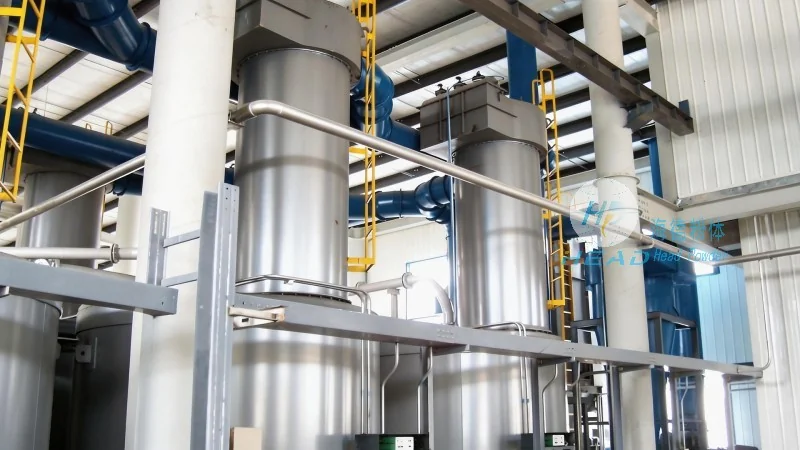
At its core, pneumatic conveying uses compressed air or other gases to transport bulk materials through a pipeline system. For styrene, which is a low-density, fine powder, this method ensures minimal product degradation and maintains product integrity throughout the process. Unlike mechanical conveyors that can generate high levels of dust and require frequent maintenance, pneumatic systems operate in a sealed environment, reducing the risk of contamination and improving workplace safety. The flexibility of pneumatic conveying also allows for complex routing, enabling materials to be moved from multiple sources to various destinations within a facility without the need for extensive infrastructure modifications.
The Environmental and Operational Advantages
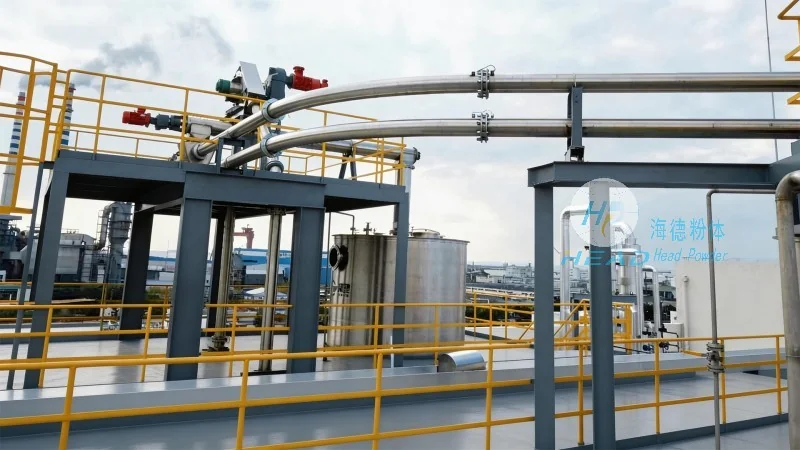
One of the most significant benefits of styrene pneumatic conveying is its environmental impact. By eliminating the need for open-air handling, the system reduces dust emissions, minimizing air pollution and the risk of inhalation by workers. This aligns with modern industrial standards for sustainability and regulatory compliance. Additionally, the enclosed nature of the system prevents product loss and spillage, contributing to cost savings and reduced waste. From an operational perspective, pneumatic conveying systems are highly efficient, with lower energy consumption compared to traditional methods. The ability to control flow rates and pressure allows for precise material delivery, optimizing production processes and reducing downtime. Shandong HeadPowder Engineering Co., Ltd. specializes in designing and implementing such systems that maximize these advantages while meeting the specific requirements of each client.
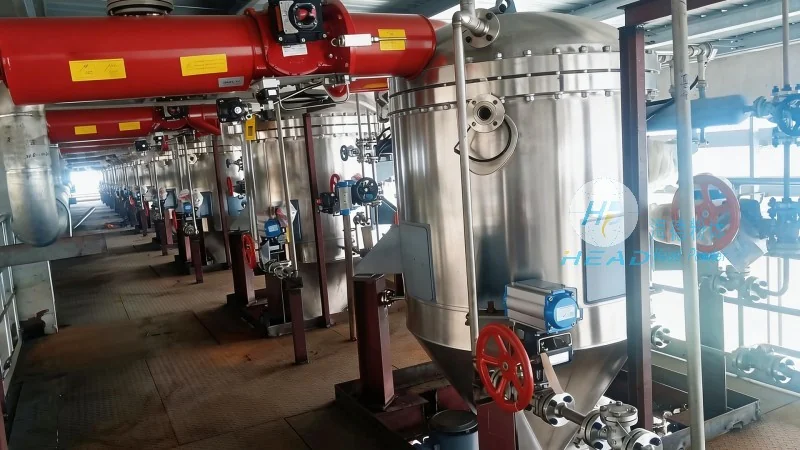
Customized Solutions by HeadPowder
Shandong HeadPowder Engineering Co., Ltd. is a leading provider of pneumatic conveying solutions, with extensive experience in the chemical and polymer industries. The company's approach is centered on understanding the unique needs of each project, whether it involves handling large volumes of styrene or integrating the system with existing production lines. HeadPowder's engineers work closely with clients to assess material properties, process requirements, and site constraints, ensuring that the final solution is both effective and cost-efficient. The company offers a range of system configurations, including dilute-phase and dense-phase conveying, to accommodate different material characteristics and application scenarios. For styrene, which is sensitive to moisture and temperature, the company designs systems with appropriate filtration and temperature control measures to maintain product quality. This level of customization ensures that the final system not only meets but exceeds industry standards for performance and reliability.
Key Features and Technical Specifications
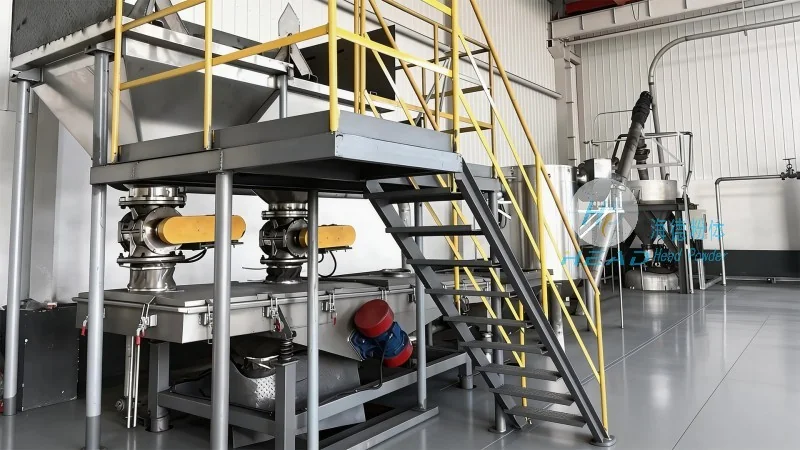
Styrene pneumatic conveying systems from HeadPowder typically include several key components that work together to ensure smooth operation. The system begins with a material feed hopper, which stores the styrene and feeds it into the conveying line. A rotary valve or feeder then controls the flow rate, ensuring consistent material delivery. The conveying line itself is made of materials resistant to styrene's chemical properties, such as stainless steel or specialized plastics, to prevent corrosion and product contamination. Compressed air is supplied by a high-efficiency blower or compressor, providing the necessary pressure to move the material through the pipeline. At the discharge end, a receiver or silo collects the material, with options for further processing or storage. The system may also include filtration and dust collection equipment to maintain air quality and comply with environmental regulations. HeadPowder's systems are designed with these components in mind, ensuring durability, ease of maintenance, and long-term performance.
Conclusion and Contact Information
Styrene pneumatic conveying represents a significant advancement in bulk material handling, offering a combination of efficiency, safety, and environmental responsibility. By leveraging the expertise of Shandong HeadPowder Engineering Co., Ltd., industries can implement systems that not only meet their current needs but also support future growth and compliance with evolving standards. The company's commitment to customized solutions, technical excellence, and customer satisfaction makes it a trusted partner for businesses seeking to optimize their styrene handling processes. For more information on how HeadPowder can assist with your pneumatic conveying needs, please contact the company at its headquarters in Shandong, China.

 Shandong Headpowder Engineering Co., Ltd.
 156-6277-7102(Quản lý Trương)
  0531-83386006
  Thành phố Tế Nam, Tỉnh Sơn Đông, Trung Quốc
Điện thoại
WeChatTư vấn
Lên đầu