Với hơn 10 năm kinh nghiệm về vận chuyển khí nén, Headpowder Sơn Đông cung cấp hệ thống, thiết bị và quạt gió toàn chuỗi, đảm nhận các dự án kỹ thuật bột trọn gói trên toàn quốc.
When designing a pneumatic conveying system for barite powder, it is crucial to consider several key factors to ensure efficiency, reliability, and cost-effectiveness. Barite, a heavy mineral used in various industrial applications such as oil drilling and paint manufacturing, requires specialized handling due to its particle characteristics and density. A well-designed system can optimize material transport while minimizing operational issues like blockages or degradation of the powder.
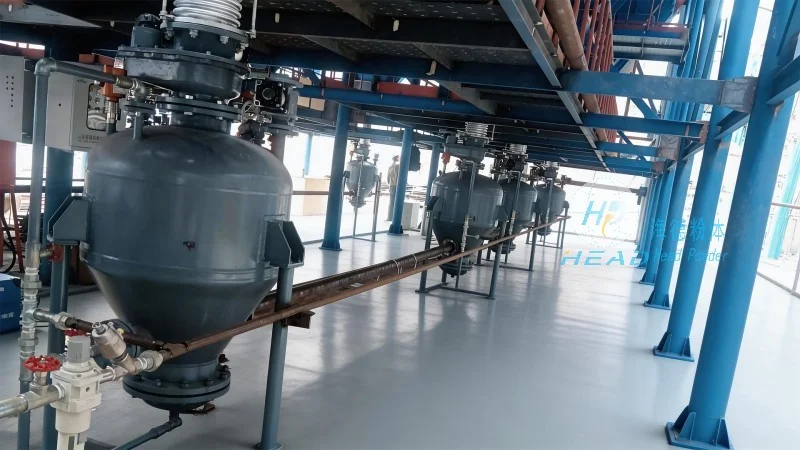
Key Design Considerations for Pneumatic Conveying
The first step in designing a barite powder pneumatic conveying system is to determine the appropriate conveying method. There are two main types: dilute-phase and dense-phase. Dilute-phase systems use high velocities to move particles in a dispersed state, while dense-phase systems operate at lower velocities with higher particle concentrations. For barite powder, which has a relatively high density and can be prone to abrasion, a dense-phase system may be more suitable to reduce wear on equipment and maintain particle integrity. The choice of system type depends on the distance to be covered, the required flow rate, and the specific handling requirements of the application.
System Components and Their Role
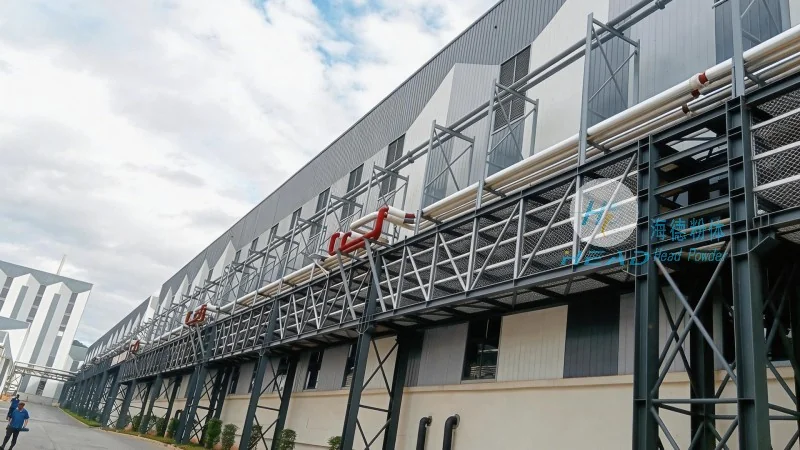
A pneumatic conveying system typically consists of several components, each playing a critical role in the overall operation. The key components include the material feed hopper, which stores and feeds the barite powder into the system; the air compressor or blower, which provides the necessary air pressure to move the material; the conveying pipeline, which transports the powder; and the control system, which regulates the flow and pressure. The feed hopper must be designed to prevent bridging and ensure a consistent flow of material. The air compressor must be capable of delivering sufficient pressure and volume to achieve the desired flow rate without causing excessive energy consumption. The pipeline design is critical, as it must be sized and routed to minimize pressure drop and prevent particle accumulation. The control system ensures that the system operates within safe and efficient parameters, adjusting air pressure and flow as needed.
Material Handling and Equipment Selection
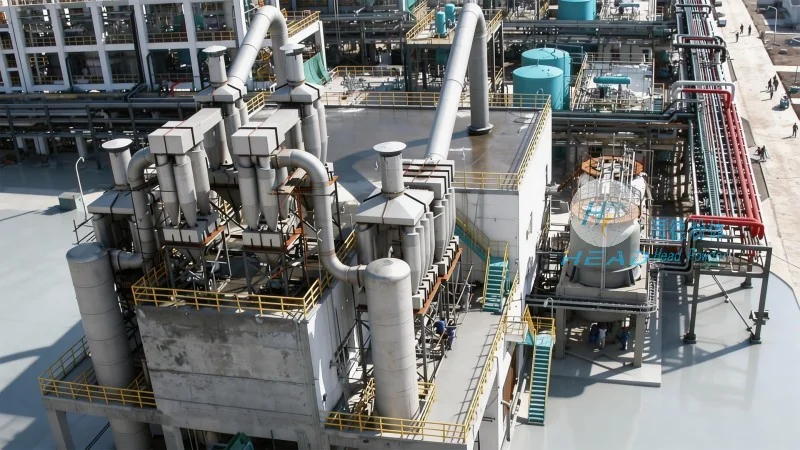
For barite powder, which is abrasive and can cause wear on equipment, selecting appropriate materials for the system components is essential. The feed hopper and associated equipment should be made of materials resistant to abrasion, such as stainless steel or high-chrome alloys. The conveying pipeline may require special coatings or liners to protect against wear from the powder. The air compressor and blower should be chosen based on the specific characteristics of the barite powder, including its particle size distribution, moisture content, and density. The use of a positive displacement blower or a centrifugal compressor may be more suitable depending on the system requirements. Additionally, the system should include features such as filters and cyclones to separate the powder from the air and prevent contamination of downstream equipment.
System Integration and Maintenance
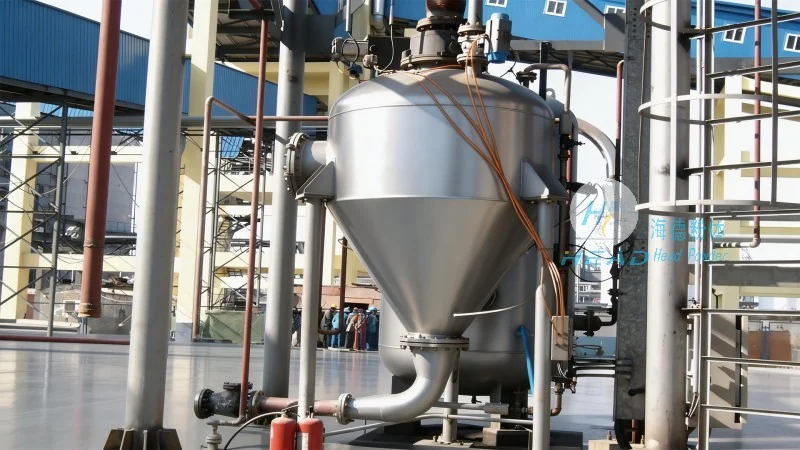
Integrating the pneumatic conveying system with other processes in the facility is important to ensure smooth operation. The system should be designed to interface with existing storage and processing equipment, allowing for seamless material transfer. Regular maintenance is crucial to ensure the system operates efficiently and reliably. This includes checking for wear on components, cleaning filters and cyclones, and monitoring air pressure and flow rates. Proper maintenance can extend the life of the equipment and reduce downtime, leading to lower operational costs over time.
Case Study: A Successful Barite Powder Pneumatic Conveying System
Shandong HeadPowder Engineering Co., Ltd., a leading provider of engineering solutions for material handling, has successfully designed and implemented a pneumatic conveying system for a barite powder application. The system was installed in a facility in China, where the company provided comprehensive design, manufacturing, and installation services. The system uses a dense-phase conveying method to transport barite powder from a storage silo to a processing plant, covering a distance of approximately 500 meters. The system has been in operation for over two years and has demonstrated high efficiency and reliability, with minimal downtime and low maintenance costs. The success of this project highlights the importance of proper system design and the expertise of experienced engineers in ensuring optimal performance.

 Shandong Headpowder Engineering Co., Ltd.
 156-6277-7102(Quản lý Trương)
  0531-83386006
  Thành phố Tế Nam, Tỉnh Sơn Đông, Trung Quốc
Điện thoại
WeChatTư vấn
Lên đầu