Với hơn 10 năm kinh nghiệm về vận chuyển khí nén, Headpowder Sơn Đông cung cấp hệ thống, thiết bị và quạt gió toàn chuỗi, đảm nhận các dự án kỹ thuật bột trọn gói trên toàn quốc.
When it comes to efficiently handling iron fines in industrial settings, the design of a pneumatic conveying system is a critical factor that can significantly impact operational efficiency and cost-effectiveness. A well-designed system ensures smooth material transport, reduces downtime, and enhances overall productivity. This article provides a comprehensive guide on how to design a reasonable iron fines pneumatic conveying system plan, incorporating key considerations and best practices.
Understanding the Core Components of an Iron Fines Pneumatic Conveying System
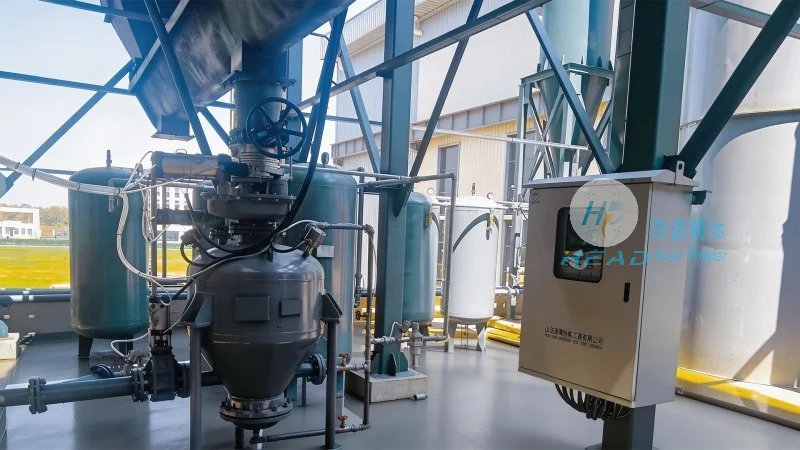
An iron fines pneumatic conveying system typically consists of several essential components that work in tandem to achieve effective material transport. The primary elements include a material feed hopper, a conveying pipeline, a pressure or vacuum source, and a collection bin. Each component plays a vital role in the overall system performance. The feed hopper is responsible for storing and feeding the iron fines into the system, ensuring a consistent flow rate. The conveying pipeline, often made of stainless steel or other corrosion-resistant materials, transports the material from the feed point to the collection point. The pressure or vacuum source, such as a blower or vacuum pump, provides the necessary force to move the material through the pipeline. Finally, the collection bin receives the iron fines at the end of the conveying process, allowing for easy discharge and further processing.
Key Design Considerations for Iron Fines Pneumatic Conveying
Designing an effective iron fines pneumatic conveying system requires careful consideration of several factors to ensure optimal performance and longevity. One of the most important considerations is the particle size and density of the iron fines. Smaller particles may require higher air velocities to maintain flow, while larger particles might need a different approach to avoid blockages. The system's capacity and the required conveying distance are also critical factors that influence the selection of equipment and pipeline dimensions. Additionally, the system's operating pressure or vacuum level must be determined based on the material's properties and the distance to be covered. Proper sizing of the blower or vacuum pump is essential to provide sufficient air volume and pressure to move the material efficiently. The choice of pipeline diameter and material is another key consideration, as it affects the system's efficiency and resistance to wear and corrosion. Stainless steel is commonly used due to its durability and resistance to iron fines, which can be abrasive and corrosive.
System Sizing and Calculations for Iron Fines Pneumatic Conveying
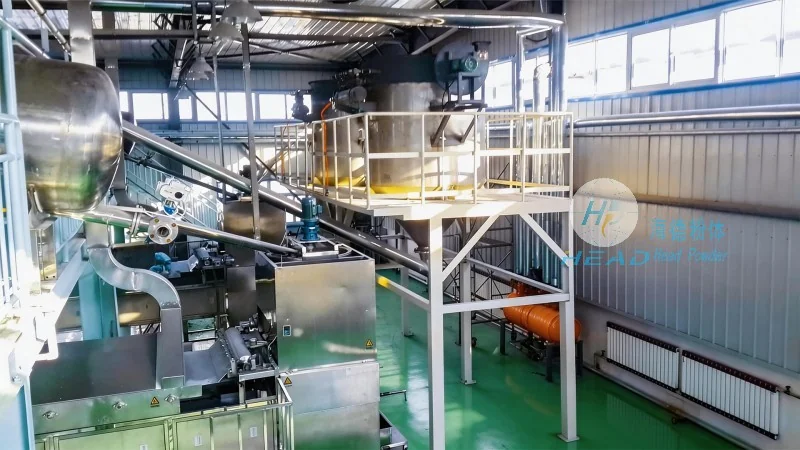
Accurate system sizing is crucial for the successful operation of an iron fines pneumatic conveying system. Several calculations are necessary to determine the appropriate equipment and pipeline dimensions. The first step is to calculate the required air velocity, which depends on the particle size and density of the iron fines. Higher air velocities are needed for smaller particles to prevent settling and blockages. The air volume required is then determined based on the conveying distance and the material flow rate. The blower or vacuum pump must be sized to provide the necessary air volume and pressure to achieve the desired conveying velocity. The pipeline diameter is calculated based on the air velocity and the material flow rate, ensuring that the system operates within the optimal range to minimize energy consumption and wear. Additionally, the system's pressure drop must be considered, as it affects the overall energy efficiency and the need for additional booster fans or vacuum pumps if necessary.
Material Handling Challenges and Solutions in Iron Fines Pneumatic Conveying
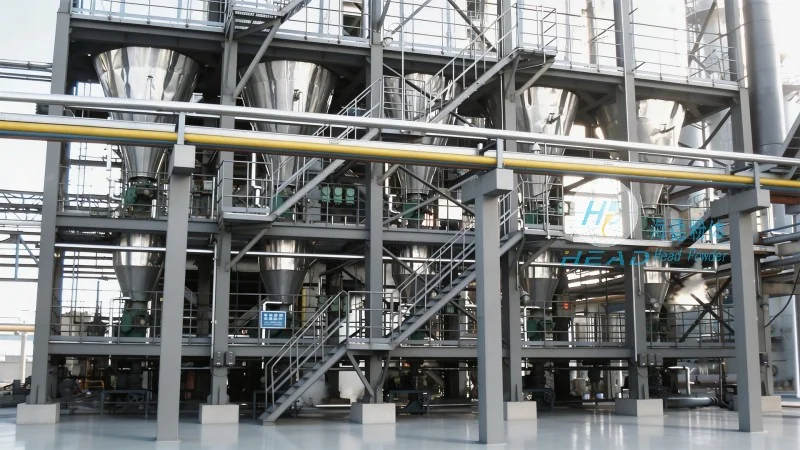
Handling iron fines can present several challenges in pneumatic conveying systems, including abrasion, corrosion, and blockages. The abrasive nature of iron fines can cause wear on the pipeline and equipment components, leading to increased maintenance costs and potential system failures. To mitigate this, the use of corrosion-resistant materials, such as stainless steel, is recommended. Additionally, regular maintenance and inspection of the system are essential to detect and address any wear or damage early. Blockages can occur due to the accumulation of material in the pipeline, especially if the air velocity is too low or the system is not properly sized. To prevent blockages, it is important to maintain the correct air velocity and flow rate, and to use appropriate cleaning methods if necessary. Another challenge is the potential for material segregation, where larger or heavier particles may settle and cause uneven flow. This can be addressed by using appropriate hopper designs and flow aids to ensure consistent material feed.
Installation and Maintenance Best Practices for Iron Fines Pneumatic Conveying Systems
Proper installation and regular maintenance are critical to the long-term performance and reliability of an iron fines pneumatic conveying system. During installation, it is important to ensure that all components are properly aligned and connected to avoid leaks or pressure losses. The pipeline should be installed with appropriate slopes to facilitate material flow and prevent blockages. Regular maintenance is essential to keep the system operating efficiently. This includes checking and replacing worn components, such as seals and filters, and cleaning the system to remove any accumulated material. The frequency of maintenance depends on the system's usage and the material's properties, but regular inspections and preventive maintenance can help extend the system's lifespan and reduce downtime. Additionally, training operators on proper system operation and maintenance can help prevent issues and ensure optimal performance.
Case Study: Successful Implementation of an Iron Fines Pneumatic Conveying System by Shandong HeadPowder Engineering Co., Ltd.
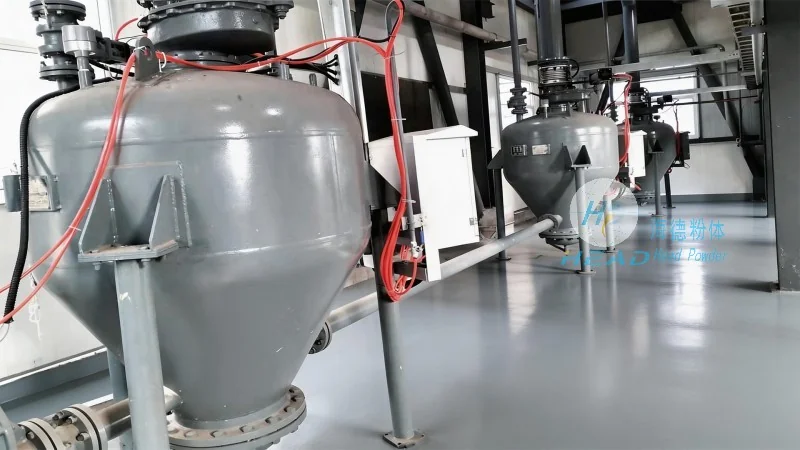
Shandong HeadPowder Engineering Co., Ltd., a leading provider of industrial engineering solutions, has successfully implemented an iron fines pneumatic conveying system for a client in the metal processing industry. The system was designed to transport iron fines from a storage hopper to a processing facility over a distance of 150 meters. The system was sized based on the client's material flow rate and the required conveying distance, with a stainless steel pipeline and a high-efficiency blower. The system has been in operation for over two years, achieving high efficiency and low maintenance costs. The client reported significant improvements in operational efficiency, with reduced downtime and increased productivity. The success of this project highlights the importance of proper system design and implementation, and the expertise of Shandong HeadPowder Engineering Co., Ltd. in providing tailored solutions for industrial material handling needs.
Conclusion: Designing a Reliable Iron Fines Pneumatic Conveying System
Designing a reasonable iron fines pneumatic conveying system requires a comprehensive approach that considers the material properties, system requirements, and operational constraints. By carefully selecting the appropriate components, sizing the system accurately, and implementing proper maintenance practices, industrial facilities can achieve efficient and reliable material transport. The expertise of companies like Shandong HeadPowder Engineering Co., Ltd. is invaluable in ensuring that these systems are designed and implemented to meet the specific needs of industrial applications, leading to improved productivity and cost savings. With the right design and implementation, iron fines pneumatic conveying systems can provide a reliable and efficient solution for industrial material handling challenges.

 Shandong Headpowder Engineering Co., Ltd.
 156-6277-7102(Quản lý Trương)
  0531-83386006
  Thành phố Tế Nam, Tỉnh Sơn Đông, Trung Quốc
Điện thoại
WeChatTư vấn
Lên đầu