Với hơn 10 năm kinh nghiệm về vận chuyển khí nén, Headpowder Sơn Đông cung cấp hệ thống, thiết bị và quạt gió toàn chuỗi, đảm nhận các dự án kỹ thuật bột trọn gói trên toàn quốc.
When it comes to handling and transporting dry soybeans, selecting the right conveying method is crucial for efficiency, cost-effectiveness, and product integrity. Various technologies are available, each with its own advantages and applications. This article provides an overview of common dry soybean conveying methods, with a focus on the benefits and operational aspects of pneumatic conveying systems.
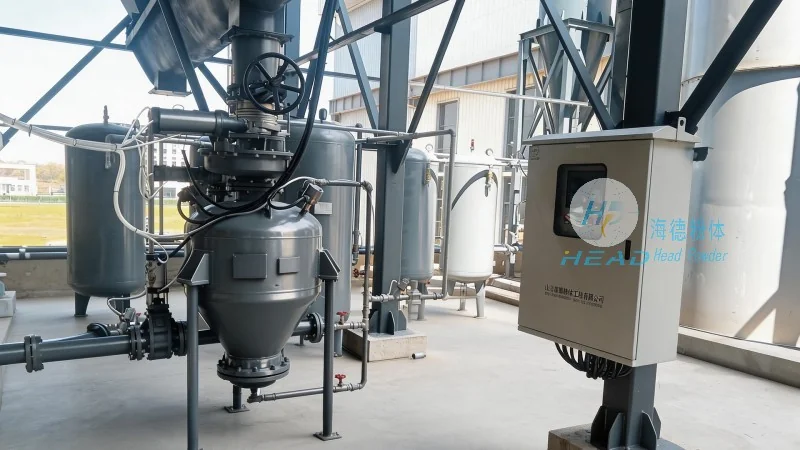
Pneumatic Conveying for Dry Soybeans: A Detailed Overview
HeadPowder, a leading provider of material handling solutions, specializes in pneumatic conveying systems tailored for dry soybean processing. Pneumatic conveying uses air to transport dry materials through a pipeline system, offering several key advantages. These include high capacity, minimal product degradation, and the ability to handle materials over long distances without the need for multiple transfer points. The system typically consists of a hopper, a rotary airlock, a conveying line, and a receiver. The dry soybeans are fed into the hopper, then drawn into the conveying line by the air flow, which transports them to the destination. This method is particularly effective for preventing contamination and maintaining the quality of the soybeans during transport.
Key Components of a Dry Soybean Pneumatic Conveying System
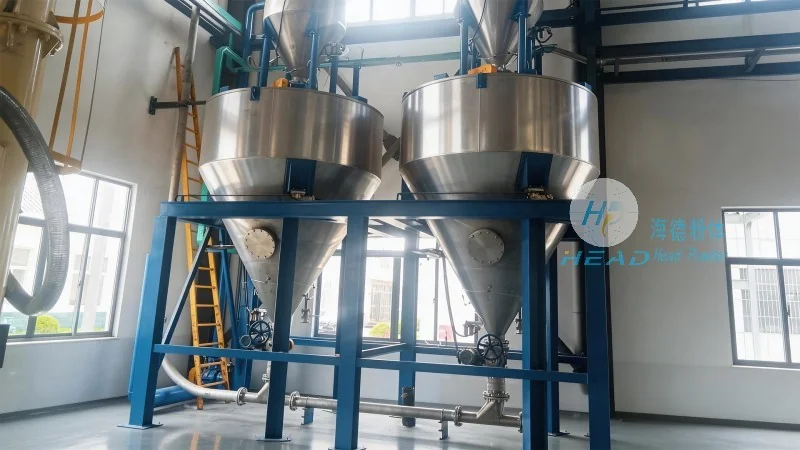
Understanding the core components of a pneumatic conveying system is essential for optimizing performance. The primary components include: 1. **Hopper**: A storage vessel that holds the dry soybeans before they are fed into the system. It is designed to maintain a consistent flow of material. 2. **Rotary Airlock**: This device regulates the flow of dry soybeans from the hopper into the conveying line, preventing backflow and ensuring a steady feed rate. 3. **Conveying Line**: The pipeline through which the air and dry soybeans travel. The material is suspended in the air stream and carried to the receiver. 4. **Receiver**: The final storage or processing container where the dry soybeans are deposited. The receiver is typically equipped with a discharge valve to control the release of the material. Each component plays a critical role in the efficient operation of the system, ensuring that dry soybeans are transported safely and effectively.
Advantages of Pneumatic Conveying for Dry Soybeans
Compared to other conveying methods, pneumatic conveying offers several distinct advantages for dry soybean handling. These benefits include: - **High Capacity and Efficiency**: Pneumatic systems can handle large volumes of dry soybeans at high speeds, reducing overall processing time. - **Product Protection**: The enclosed system minimizes exposure to dust, moisture, and contaminants, preserving the quality and integrity of the soybeans. - **Space Efficiency**: The pipeline design allows for flexible layout options, making it suitable for facilities with limited space. - **Low Maintenance**: With fewer moving parts compared to mechanical systems, pneumatic conveyors require less maintenance and have lower operational costs. - **Versatility**: Pneumatic conveying can be adapted for various applications, from short-distance transport to long-distance transfer, making it a versatile solution for different production needs. These advantages make pneumatic conveying an ideal choice for industries that prioritize efficiency and product quality.
Application Scenarios for Dry Soybean Pneumatic Conveying
HeadPowder's pneumatic conveying systems are widely used in various applications within the soybean processing industry. Some common scenarios include: - **From Storage to Processing**: Transporting dry soybeans from bulk storage silos to processing equipment such as hullers or extractors. - **Between Processing Stages**: Moving soybeans between different processing stages, such as from cleaning to hulling or from hulling to crushing. - **To Packaging Lines**: Conveying dry soybeans to packaging machines for final product packaging. - **Long-Distance Transport**: Transferring dry soybeans between different facilities or locations, even over considerable distances. These applications demonstrate the flexibility and reliability of pneumatic conveying systems in supporting the entire soybean processing workflow. By integrating these systems, companies can streamline their operations and improve overall productivity.
Conclusion and Company Information
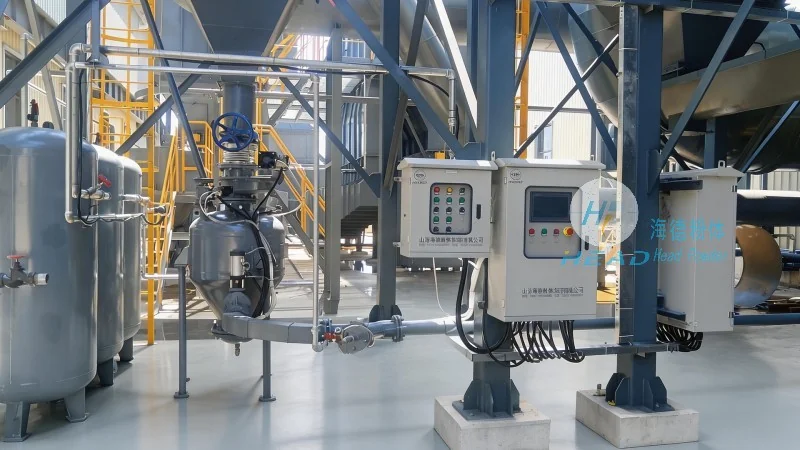
Choosing the right conveying method for dry soybeans is essential for optimizing processing efficiency and maintaining product quality. Pneumatic conveying, as highlighted in this overview, offers a reliable and efficient solution for transporting dry soybeans. HeadPowder, with its expertise in material handling, provides high-quality pneumatic conveying systems tailored to the specific needs of soybean processing facilities. Based in Shandong, China, HeadPowder Engineering Co., Ltd. leverages advanced technology and engineering expertise to deliver solutions that enhance the performance and productivity of soybean processing operations. Whether for short or long-distance transport, HeadPowder's pneumatic conveying systems are designed to meet the demands of modern soybean processing, ensuring consistent and reliable material handling throughout the production process.

 Shandong Headpowder Engineering Co., Ltd.
 156-6277-7102(Quản lý Trương)
  0531-83386006
  Thành phố Tế Nam, Tỉnh Sơn Đông, Trung Quốc
Điện thoại
WeChatTư vấn
Lên đầu