Với hơn 10 năm kinh nghiệm về vận chuyển khí nén, Headpowder Sơn Đông cung cấp hệ thống, thiết bị và quạt gió toàn chuỗi, đảm nhận các dự án kỹ thuật bột trọn gói trên toàn quốc.
Wheat starch is a crucial ingredient in various industries, including food processing, pharmaceuticals, and cosmetics. The efficient and safe transportation of wheat starch from production sites to processing facilities is essential for maintaining product quality and operational efficiency. Different conveying methods are employed in the industry, each with its own set of advantages and limitations. This article explores the various wheat starch conveying methods and highlights the benefits of pneumatic conveying as a leading solution.
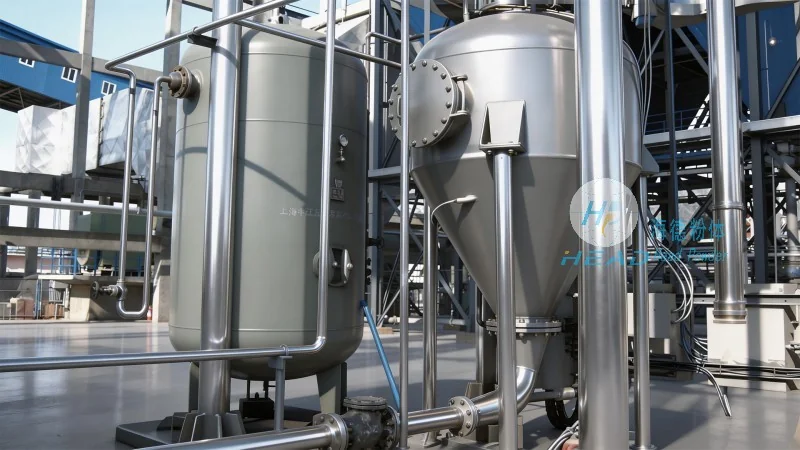
Common Wheat Starch Conveying Methods
Traditional methods for transporting wheat starch include mechanical conveyors such as belt conveyors, screw conveyors, and bucket elevators. These systems are widely used due to their simplicity and cost-effectiveness. Belt conveyors are particularly suitable for transporting bulk materials over short to medium distances, while screw conveyors are ideal for handling powders with moderate flow rates. Bucket elevators, on the other hand, are effective for vertical transport but may cause product degradation due to friction and impact.
Pneumatic Conveying: A Superior Solution for Wheat Starch Transport
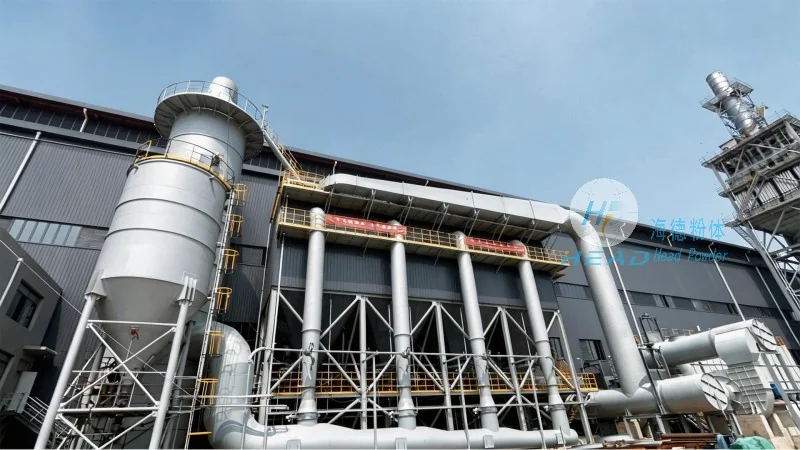
Pneumatic conveying, also known as air conveying, has emerged as a preferred method for transporting wheat starch due to its numerous advantages. Unlike mechanical systems, pneumatic conveyors use air pressure to move materials, reducing the risk of product contamination and degradation. The system consists of a series of pipes, air movers, and control valves that work together to transport the starch efficiently. The key components include a hopper for material storage, a blower or compressor to generate airflow, and a receiver for the discharged material. This method is particularly effective for handling fine powders like wheat starch, as it minimizes dust generation and ensures a clean, hygienic transport process.
Advantages of Pneumatic Conveying for Wheat Starch
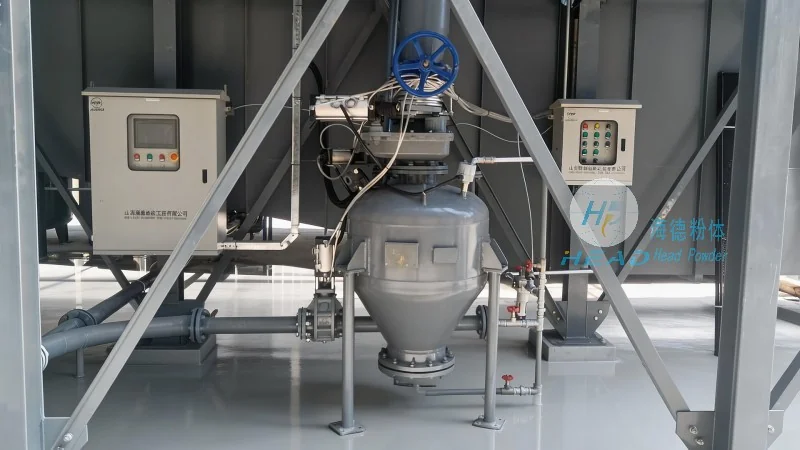
One of the primary advantages of pneumatic conveying is its ability to handle fine and abrasive materials without causing damage. Wheat starch particles are delicate and can be easily broken down by mechanical friction, making pneumatic systems ideal. Additionally, pneumatic conveying offers high flexibility in terms of layout and distance, allowing for complex system designs that can adapt to different plant configurations. The system can transport materials over long distances with minimal energy consumption compared to mechanical conveyors. Another significant benefit is the hygienic nature of pneumatic systems, which are easy to clean and maintain, meeting stringent food safety standards. The enclosed pipe system prevents dust from escaping into the environment, reducing health hazards and compliance issues.
Features and Technical Specifications of Pneumatic Conveying Systems
Modern pneumatic conveying systems for wheat starch are equipped with advanced features that enhance performance and reliability. These systems often include variable speed drives that adjust airflow based on the material flow rate, ensuring optimal conveying efficiency. The use of positive pressure or negative pressure systems allows for customization based on the application requirements. For example, positive pressure systems are suitable for long-distance transport, while negative pressure systems are ideal for short-distance or dusty environments. The systems also incorporate filtration and separation components to remove any entrained air or fine particles, ensuring the delivered material is of consistent quality. Additionally, many systems are equipped with monitoring and control systems that provide real-time data on flow rates, pressure, and system performance, enabling proactive maintenance and troubleshooting.
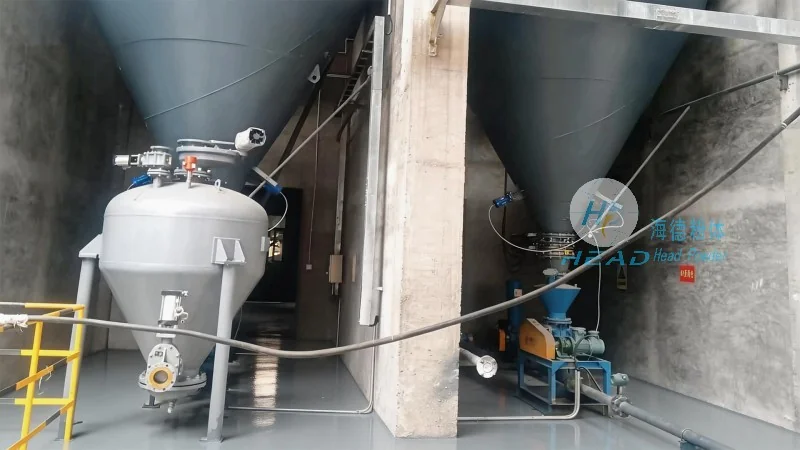
HeadPowder: Expert in Wheat Starch Pneumatic Conveying Solutions
Shandong HeadPowder Engineering Co., Ltd., commonly known as HeadPowder, is a leading manufacturer of pneumatic conveying systems for wheat starch and other fine powders. With years of experience in the industry, HeadPowder specializes in designing and manufacturing customized conveying solutions that meet the specific needs of food processing and related industries. The company's products are engineered to ensure high efficiency, low maintenance, and compliance with international food safety standards. HeadPowder's team of engineers and technicians work closely with clients to understand their operational requirements and develop tailored systems that optimize material transport while minimizing downtime and operational costs. The company's commitment to quality and innovation has made it a trusted partner for businesses seeking reliable and efficient wheat starch conveying solutions.

 Shandong Headpowder Engineering Co., Ltd.
 156-6277-7102(Quản lý Trương)
  0531-83386006
  Thành phố Tế Nam, Tỉnh Sơn Đông, Trung Quốc
Điện thoại
WeChatTư vấn
Lên đầu