Với hơn 10 năm kinh nghiệm về vận chuyển khí nén, Headpowder Sơn Đông cung cấp hệ thống, thiết bị và quạt gió toàn chuỗi, đảm nhận các dự án kỹ thuật bột trọn gói trên toàn quốc.
When it comes to transporting boron sand particles, selecting the right conveying method is crucial for ensuring efficiency, safety, and cost-effectiveness in industrial operations. Boron sand, a key raw material in various industries such as glass manufacturing, ceramics, and chemical processing, requires reliable and efficient transport solutions to maintain product quality and operational productivity. This article explores the different methods of boron sand particle conveyance, with a particular focus on the advantages and features of pneumatic conveying systems.
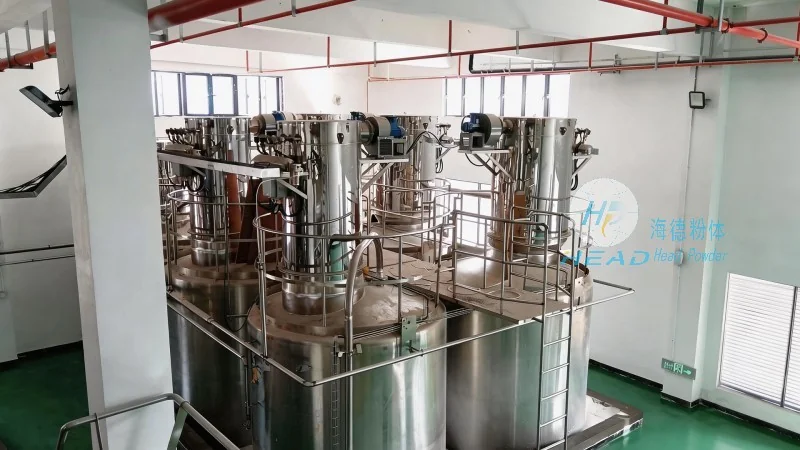
Common Boron Sand Particle Conveying Methods
There are several conventional methods used for transporting boron sand particles, each with its own set of applications and limitations. The primary methods include mechanical conveyors, such as belt conveyors, screw conveyors, and bucket elevators, as well as pneumatic conveying systems. Mechanical conveyors are widely used for bulk material handling due to their simplicity and low initial cost. However, they may face challenges when dealing with abrasive or dusty materials like boron sand, leading to increased wear and maintenance requirements. Additionally, mechanical systems often require more space and may not be suitable for long-distance or complex route conveyance.
Pneumatic Conveying: The Preferred Solution for Boron Sand Particle Transport
Pneumatic conveying, also known as air conveying, has emerged as a leading technology for boron sand particle transport. This method utilizes a pressurized or vacuum system to move particles through a pipeline using air or gas. The key advantages of pneumatic conveying for boron sand include its ability to handle fine or dusty materials without the need for additional equipment like hoppers or chutes. It also offers a more hygienic and enclosed transport process, reducing dust exposure and contamination risks. Furthermore, pneumatic systems can be designed for long-distance transport, making them ideal for applications where the material needs to be moved over significant distances without intermediate storage.
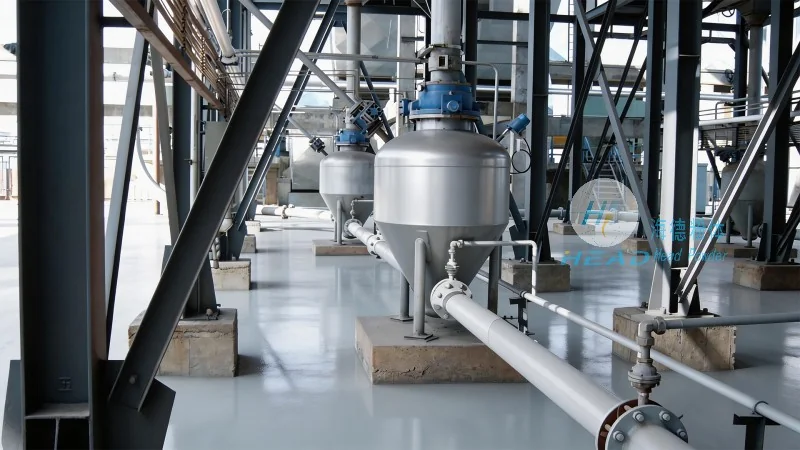
Key Advantages of Pneumatic Conveying for Boron Sand
Several distinct advantages make pneumatic conveying the preferred choice for boron sand particle transport. Firstly, it provides a dust-free and enclosed transport environment, which is critical for maintaining product purity and meeting environmental regulations. Unlike mechanical conveyors that may generate significant dust, pneumatic systems keep the material contained within the pipeline, reducing the risk of contamination and improving workplace safety. Secondly, pneumatic conveying offers high flexibility in terms of layout and route changes. The pipeline can be easily reconfigured or extended to accommodate changes in production processes or facility expansions. This adaptability is particularly valuable in dynamic industrial environments where operational requirements may evolve over time.
Enhanced Efficiency and Cost-Effectiveness
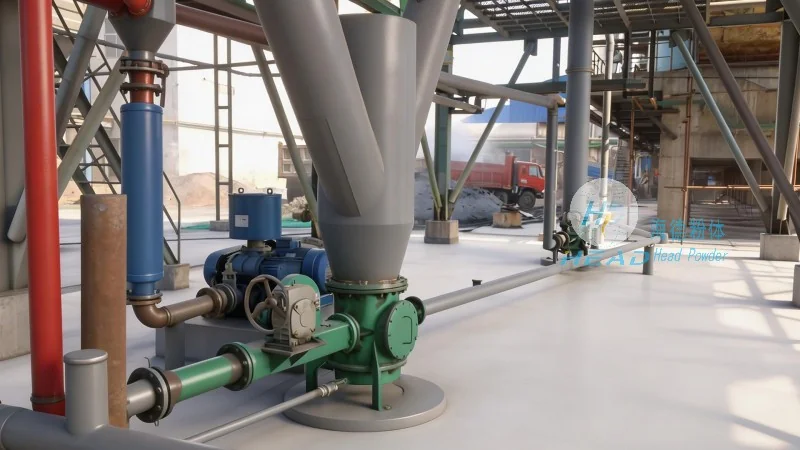
Pneumatic conveying systems also contribute to improved operational efficiency and cost savings for boron sand handling. By eliminating the need for multiple transfer points and intermediate storage, the overall process becomes more streamlined. This reduces downtime associated with material transfer and minimizes the risk of material loss or degradation. Additionally, the enclosed nature of pneumatic systems reduces the need for additional dust control measures, such as filtration or ventilation systems, which can be costly to install and maintain. Over time, these operational efficiencies translate into significant cost reductions for industrial operations.
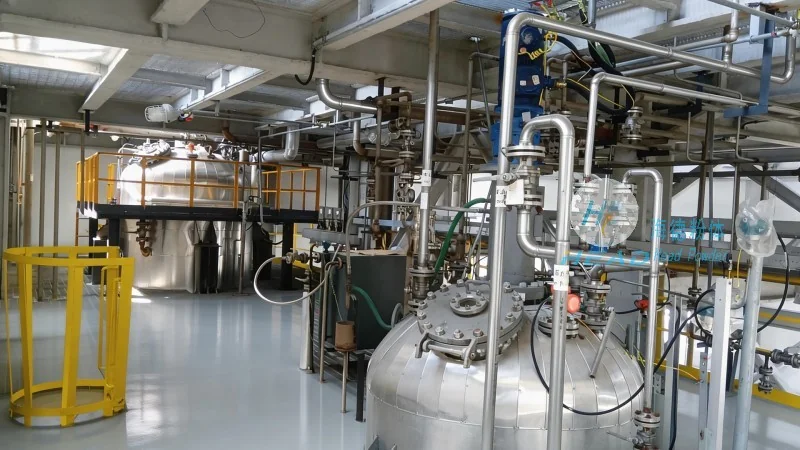
Customized Solutions by Shandong HeadPowder Engineering Co., Ltd.
Shandong HeadPowder Engineering Co., Ltd., a leading provider of bulk material handling solutions, specializes in designing and implementing advanced pneumatic conveying systems tailored to the specific needs of boron sand processing facilities. With years of experience in the industry, the company understands the unique challenges associated with handling boron sand particles and has developed innovative solutions to address them. The company's expertise lies in creating customized conveying systems that optimize material flow, minimize downtime, and enhance overall operational performance. By leveraging cutting-edge technology and engineering expertise, Shandong HeadPowder ensures that its clients receive reliable and efficient boron sand transport solutions that meet their specific requirements.
Conclusion: Choosing the Right Conveying Method for Boron Sand
In conclusion, the choice of boron sand particle conveying method significantly impacts the efficiency and safety of industrial operations. While mechanical conveyors remain a viable option for certain applications, pneumatic conveying offers superior advantages in terms of dust control, flexibility, and long-distance transport capabilities. For industries dealing with boron sand, investing in a pneumatic conveying system can lead to improved product quality, reduced operational costs, and enhanced workplace safety. Shandong HeadPowder Engineering Co., Ltd. stands ready to provide customized pneumatic conveying solutions that meet the unique needs of boron sand processing facilities, ensuring optimal performance and reliability in material handling operations.

 Shandong Headpowder Engineering Co., Ltd.
 156-6277-7102(Quản lý Trương)
  0531-83386006
  Thành phố Tế Nam, Tỉnh Sơn Đông, Trung Quốc
Điện thoại
WeChatTư vấn
Lên đầu