Với hơn 10 năm kinh nghiệm về vận chuyển khí nén, Headpowder Sơn Đông cung cấp hệ thống, thiết bị và quạt gió toàn chuỗi, đảm nhận các dự án kỹ thuật bột trọn gói trên toàn quốc.
When it comes to the efficient handling and transportation of additives in industrial processes, selecting the right conveying method is crucial. Additives, which can range from powders and granules to liquid additives, require systems that ensure minimal product degradation, consistent flow, and reliable operation. Among the various options available, pneumatic conveying stands out as a versatile and effective solution. This article explores the different types of additive conveying methods and highlights the key advantages and features of pneumatic conveying, with a focus on the solutions offered by Shandong HeadPowder Engineering Co., Ltd., a leading provider in the field.
Understanding Additive Conveying Methods
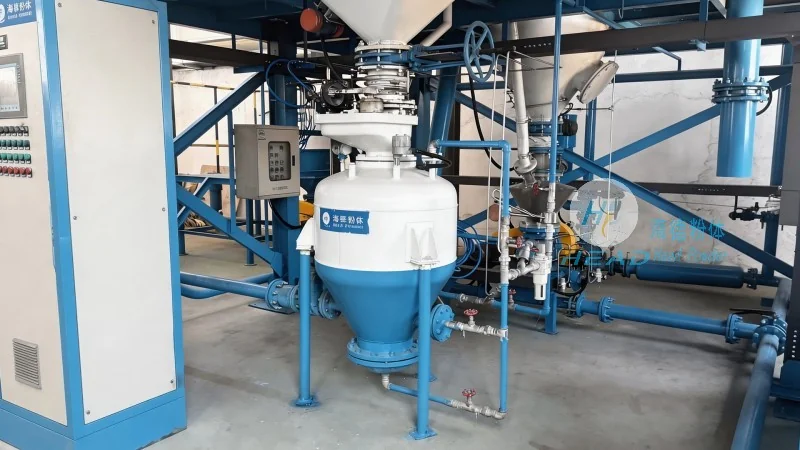
Additive conveying involves the movement of additives from storage to processing equipment or from one stage of production to another. The choice of conveying method depends on several factors, including the physical properties of the additive (such as particle size, density, and moisture content), the distance to be covered, the required flow rate, and the overall process environment. Common additive conveying methods include mechanical conveying (like screw conveyors, belt conveyors, and bucket elevators) and pneumatic conveying. Each method has its own set of advantages and limitations, making it essential to evaluate them based on specific application requirements.
Pneumatic Conveying: A Comprehensive Overview
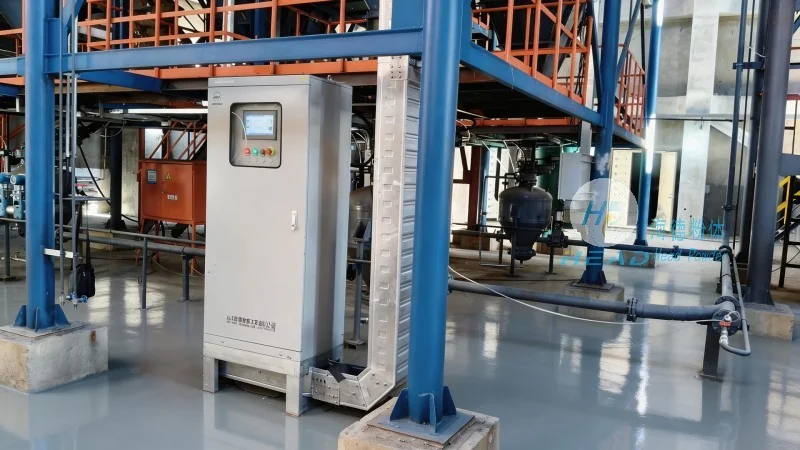
Pneumatic conveying, also known as air conveying, utilizes a stream of air to transport bulk materials, including additives, through a pipeline system. This method offers several advantages that make it particularly suitable for handling additives. Unlike mechanical conveying systems, which may cause product degradation due to friction or impact, pneumatic conveying minimizes physical stress on the material, preserving its quality and integrity. The system operates by creating a pressure differential, either through suction (negative pressure) or pressure (positive pressure), to move the additive through the pipeline. This flexibility allows for both short and long-distance transport, making it adaptable to various industrial settings.
Key Advantages of Pneumatic Conveying for Additives
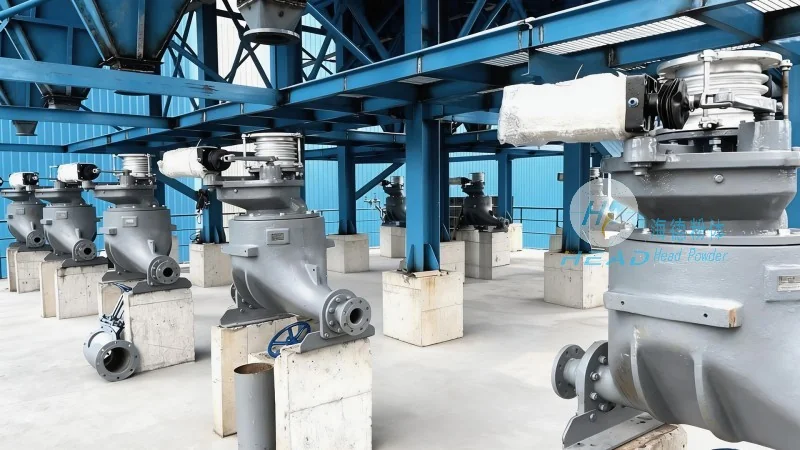
One of the primary benefits of pneumatic conveying is its ability to handle a wide range of additive types, from fine powders to larger granules. The system can accommodate different particle sizes and shapes without the need for extensive modifications, ensuring consistent performance. Additionally, pneumatic conveying systems are highly efficient in terms of energy consumption, as they can transport large volumes of material with relatively low power input. This efficiency translates into cost savings over time, making it an attractive option for industrial operations. Another significant advantage is the system's ability to integrate with other process equipment, such as mixers, reactors, and storage tanks, allowing for seamless integration into existing production lines. This integration capability reduces downtime and enhances overall process efficiency.
Features and Technical Considerations
Shandong HeadPowder Engineering Co., Ltd. specializes in designing and manufacturing advanced pneumatic conveying systems tailored to the needs of additive handling. Their solutions are characterized by several key features that enhance performance and reliability. For instance, their systems incorporate high-quality materials, such as stainless steel and special alloys, to ensure durability and resistance to corrosion, which is critical when handling additives that may be acidic or moisture-sensitive. The company also employs advanced control systems that allow for precise regulation of air flow and pressure, ensuring consistent and controlled material transport. This level of control is essential for maintaining product quality and preventing issues like clogging or blockages in the pipeline. Furthermore, their pneumatic conveying systems are designed with safety in mind, incorporating features like pressure relief valves and automatic shut-off mechanisms to prevent accidents and protect personnel.
Application Examples and Case Studies
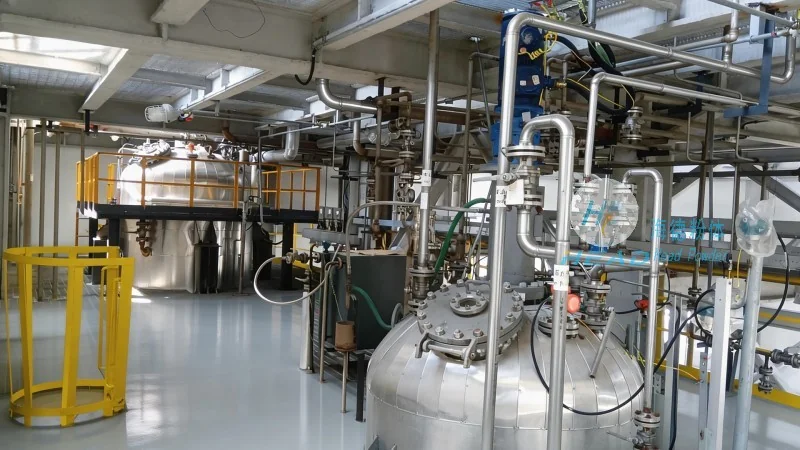
The effectiveness of pneumatic conveying in additive handling is demonstrated through various industrial applications. For example, in the food and beverage industry, pneumatic conveying is used to transport flavorings, colorants, and other additives to processing lines. The system's ability to maintain product purity and prevent contamination is crucial in these applications. Similarly, in the chemical industry, additives such as catalysts and pigments are often conveyed using pneumatic systems, ensuring accurate dosing and minimal product loss. Shandong HeadPowder Engineering Co., Ltd. has successfully implemented such systems in numerous projects, providing customized solutions that meet the specific requirements of each client. These case studies highlight the reliability and efficiency of their pneumatic conveying technology, reinforcing its position as a preferred choice for additive transport.
Conclusion and Future Trends
In conclusion, pneumatic conveying represents a highly effective and versatile method for transporting additives in industrial settings. Its ability to handle diverse materials, maintain product quality, and integrate seamlessly with existing processes makes it an ideal choice for many applications. Shandong HeadPowder Engineering Co., Ltd. continues to innovate and improve its pneumatic conveying systems, offering advanced solutions that address the evolving needs of the industry. As industrial processes become more complex and demanding, the importance of reliable additive conveying systems will only increase, making pneumatic conveying a key technology for future industrial operations.

 Shandong Headpowder Engineering Co., Ltd.
 156-6277-7102(Quản lý Trương)
  0531-83386006
  Thành phố Tế Nam, Tỉnh Sơn Đông, Trung Quốc
Điện thoại
WeChatTư vấn
Lên đầu