Với hơn 10 năm kinh nghiệm về vận chuyển khí nén, Headpowder Sơn Đông cung cấp hệ thống, thiết bị và quạt gió toàn chuỗi, đảm nhận các dự án kỹ thuật bột trọn gói trên toàn quốc.
When it comes to transporting rice grains efficiently and effectively, selecting the right conveying method is crucial for maintaining product quality and operational efficiency. Various options are available, each with its own set of advantages and considerations. This article explores the different types of rice grain conveying methods, with a particular focus on the benefits and characteristics of pneumatic conveying systems.
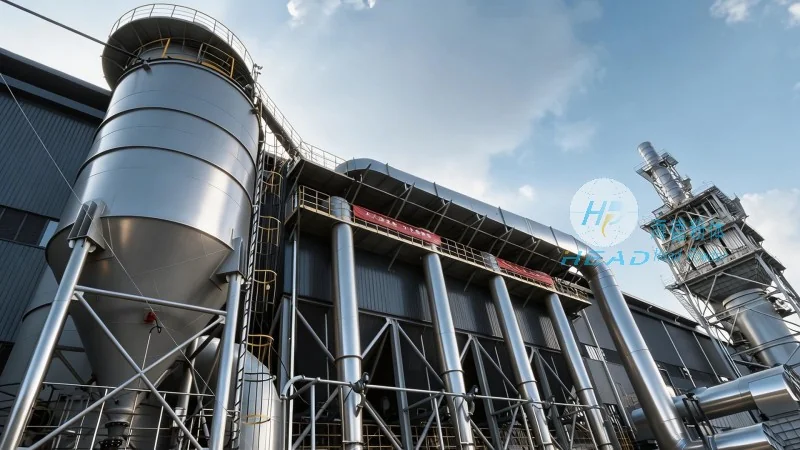
Different Conveying Methods for Rice Grains
Traditional and modern approaches to rice grain transportation include mechanical systems such as belt conveyors, screw conveyors, and bucket elevators. These methods have been widely used in the industry for decades due to their reliability and simplicity. However, they often face challenges when dealing with delicate or high-value products like rice grains, as they can cause friction, abrasion, or damage to the kernels. Additionally, mechanical systems may require more maintenance and have limitations in terms of distance and vertical height.
Pneumatic Conveying: A Modern Solution for Rice Grain Transport
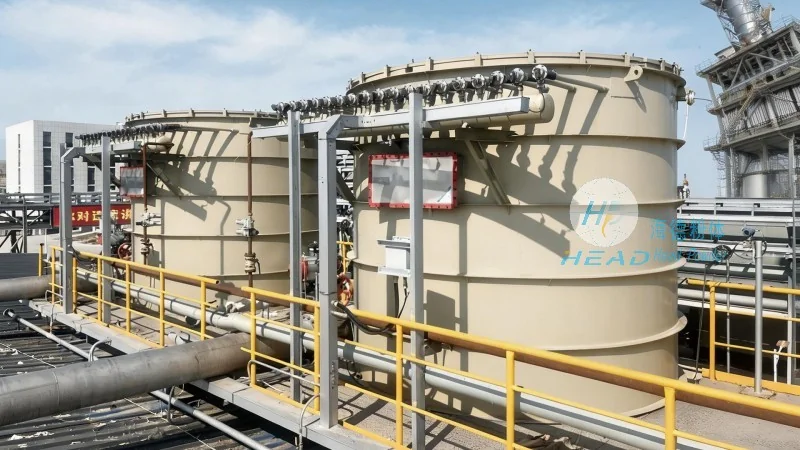
Pneumatic conveying, also known as air conveying, offers a sophisticated alternative to traditional mechanical methods. This technology uses air pressure to move rice grains through a system of pipes and ducts. The process involves creating a flow of air that transports the rice particles, allowing for both horizontal and vertical movement. Pneumatic conveying systems are particularly well-suited for rice grain handling due to their ability to minimize product damage, maintain cleanliness, and provide flexibility in system design.
Advantages of Pneumatic Conveying for Rice Grains
One of the key advantages of pneumatic conveying for rice grains is its gentle handling. Unlike mechanical systems that rely on physical contact, pneumatic systems use air to transport the product, reducing the risk of breakage or abrasion. This is especially important for high-quality rice varieties that require careful handling to preserve their texture and appearance. Additionally, pneumatic conveying systems can handle a wide range of particle sizes and densities, making them versatile for different rice processing applications.
Another significant benefit is the ability to maintain product cleanliness and hygiene. Pneumatic systems are enclosed, preventing contamination from external sources and ensuring that the rice grains remain free from dust, debris, or other impurities. This is critical in food processing industries where compliance with food safety regulations is paramount. The enclosed nature of the system also helps in controlling dust and minimizing environmental impact.
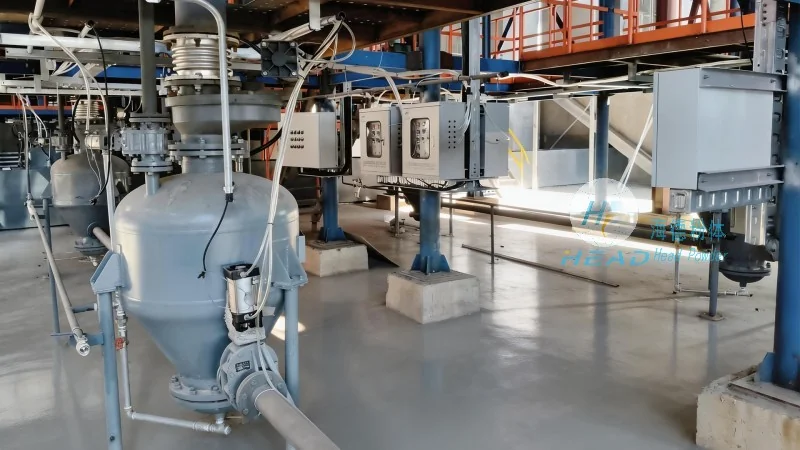
Features and Components of Pneumatic Conveying Systems
Modern pneumatic conveying systems for rice grains typically consist of several key components, including a hopper for material storage, a blower or compressor to generate air pressure, a pipeline network for material transport, and control valves and sensors for system management. The design of these systems can vary, with options such as pressure or vacuum systems, depending on the specific requirements of the rice processing facility. For example, pressure systems are often used for short-distance transport, while vacuum systems are suitable for longer distances or when moving materials from multiple sources.
Applications in Rice Processing Facilities
Pneumatic conveying is widely used in various stages of rice processing, from raw material handling to finished product packaging. In the initial stages, pneumatic systems can efficiently transport rice grains from storage silos or trucks to processing lines. During processing, they can move rice through cleaning, sorting, and milling operations without compromising product quality. Finally, in the packaging stage, pneumatic conveying can deliver finished rice products to packaging machines, ensuring a smooth and continuous production flow.
Case Study: Implementation by Shandong HeadPowder Engineering Co., Ltd.
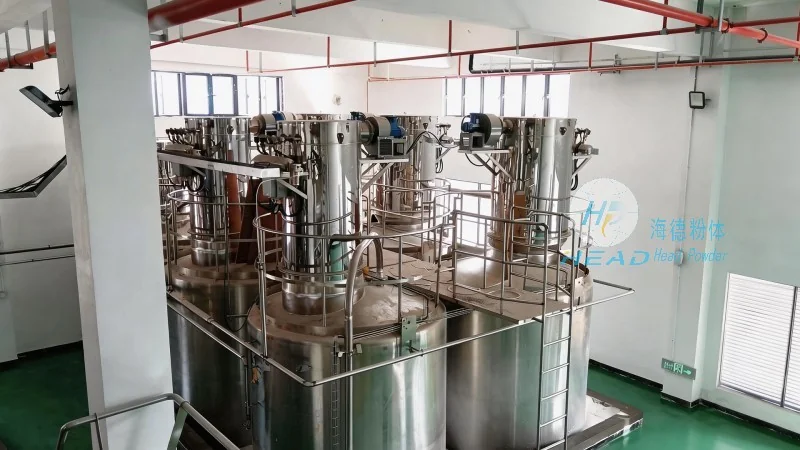
Shandong HeadPowder Engineering Co., Ltd., a leading provider of material handling solutions, has successfully implemented pneumatic conveying systems in rice processing facilities across China. The company specializes in designing and manufacturing customized pneumatic conveying solutions tailored to the unique needs of rice producers. By leveraging advanced technology and engineering expertise, HeadPowder has helped rice processing plants improve operational efficiency, reduce product loss, and enhance overall productivity. Their systems are known for their reliability, low maintenance requirements, and ability to handle a wide range of rice varieties with minimal damage.
Conclusion: Choosing the Right Conveying Method for Rice Grains
When selecting a conveying method for rice grains, it is essential to consider factors such as product quality, operational efficiency, and system cost. While traditional mechanical systems have their place, pneumatic conveying offers significant advantages in terms of gentle handling, product cleanliness, and flexibility. For rice processing facilities looking to optimize their operations and maintain high-quality standards, pneumatic conveying is an excellent choice. With the expertise and solutions provided by companies like Shandong HeadPowder Engineering Co., Ltd., rice producers can confidently adopt advanced conveying technologies to enhance their production processes and meet the demands of the modern market.

 Shandong Headpowder Engineering Co., Ltd.
 156-6277-7102(Quản lý Trương)
  0531-83386006
  Thành phố Tế Nam, Tỉnh Sơn Đông, Trung Quốc
Điện thoại
WeChatTư vấn
Lên đầu